
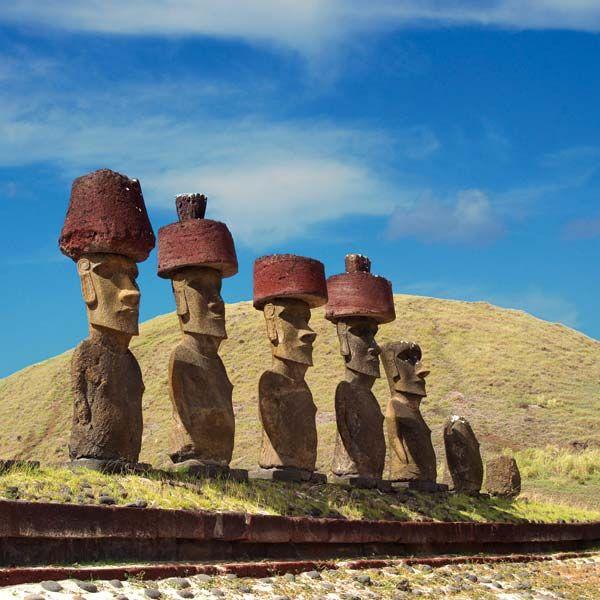
How Easter Island’s Moai Statues Walked Themselves Into History: Unveiling the Mystery Behind the Iconic Monoliths
By [Your Name]
Easter Island, renowned for its enigmatic moai statues, presents one of history’s most captivating archaeological puzzles. These towering monoliths, some weighing over 80 tons, have stood sentinel on the island’s rocky terrain for centuries, representing the artistry and ingenuity of the Rapa Nui people. Recent studies have sparked intrigue as researchers propose a groundbreaking theory suggesting that these giants didn’t just stand still but rather “walked” into their positions, using sophisticated techniques far beyond what was previously understood. This article delves into the innovative methods employed by the islanders to transport these immense figures, illuminating a story of resilience and resourcefulness that highlights the brighter side of human history amid the challenges of isolation and environmental change. Join us as we explore the cultural significance of the moai, the archaeological discoveries redefining our understanding of their creation, and the enduring legacy of Easter Island’s rich heritage.
The Engineering Marvels Behind Easter Island’s Moai Statues
The moai statues of Easter Island, with their striking features and monumental scale, are not only cultural icons but also a testament to the ingenuity of the Rapa Nui people. Carved from volcanic rock, these statues weigh several tons, yet archaeological research suggests they were transported from the quarries to their ceremonial spots using innovative techniques. One prevalent theory posits that the statues were “walked” to their destinations by a coordinated effort involving careful manipulation of the statues’ center of gravity. This method, described as a “rocking” technique, relied on the combined strength of numerous individuals guiding the statues upright, thus reducing the friction against the ground.
This notion is further supported by evidence of complex tools and methods that enabled the Rapa Nui to accomplish such feats. The use of logs as rollers, as well as the incorporation of sledges, likely played crucial roles in moving these massive figures. In a recent study, researchers reconstructed these ancient techniques using materials that mirror those available to the Rapa Nui, revealing that with sufficient manpower and collaboration, the movement of the moai was indeed feasible. Through their engineering marvels, the Rapa Nui not only showcased their craftsmanship but also left an indelible mark on history, prompting us to reconsider the capabilities of ancient civilizations.
Rediscovering the Cultural Significance of the Moai in Rapa Nui Society
The moai of Rapa Nui, commonly known as Easter Island, bear not only the weight of stone but also the rich tapestry of a society that revered them for centuries. These enigmatic statues serve as monumental testaments to the islanders’ ancestors and the deeply-rooted belief systems that shaped their worldview. The cultural significance of the moai is multi-faceted, encapsulating themes of ancestor worship, leadership, and community identity. As historians and archaeologists delve deeper into the island’s past, it becomes evident that these towering figures were not merely artistic expressions; they embodied the very essence of Rapa Nui culture, dictating social structure and inspiring a sense of belonging among the inhabitants.
Recent research has also illuminated the intricate processes involved in their creation and transportation, suggesting that the moai were not static relics but dynamic symbols of resilience and innovation. Islanders likely employed a complex system of rituals and collaboration to construct and move these colossal statues. Crafted from volcanic tuff and carved with precision, each moai tells a unique story, reflecting the individual lineage it represents. The profound respect that the Rapa Nui people hold for these statues is evident in the stories passed down through generations, which emphasize collective memory and heritage. As scholars continue to explore the interplay between the moai and Rapa Nui society, it becomes increasingly clear that these statues are not relics of the past but living representations of an enduring cultural legacy.
Sustainable Tourism Initiatives to Preserve Easter Island’s Heritage and Moai Legacy
In an effort to balance tourism and the preservation of culture, Easter Island has launched several sustainable tourism initiatives aimed at protecting its unique heritage and the iconic moai statues. These initiatives focus on minimizing environmental impacts while enhancing visitor experiences, thereby fostering a greater appreciation for the island’s history. Key strategies include:
- Eco-Friendly Tours: Guided tours that educate visitors on the cultural significance of the moai while emphasizing respectful interaction with the environment.
- Conservation Programs: Collaborative efforts between local communities and organizations to restore and maintain the moai and landscapes.
- Regulated Access: Implementing visitor limits at key sites to reduce wear and tear on ancient structures and surrounding ecosystems.
In addition to these practical measures, the island is also investing in community-led projects that empower residents and integrate traditional knowledge into tourism practices. This approach not only supports the local economy but also ensures the continuation of Rapa Nui traditions. Through these endeavors, Easter Island aims to create a sustainable model for tourism that respects its rich heritage while inviting the world to experience the beauty of its culture. A snapshot of recent initiatives includes:
| Initiative | Description | Impact |
|---|---|---|
| Local Artisan Markets | Support for handmade crafts by local artists. | Boosts economy; preserves traditional crafting practices. |
| Workshops on Rapa Nui Culture | Educational sessions for tourists about local traditions. | Enhances cultural appreciation and understanding. |
| Reforestation Projects | Planting native trees to restore natural habitats. | Promotes biodiversity and enhances scenic beauty. |
In Summary
In conclusion, the enigma of Easter Island’s iconic moai statues continues to captivate researchers and visitors alike. Emerging studies suggest that these monumental figures, once thought to have been moved solely through human ingenuity, may have utilized a unique method that allowed them to “walk” across the landscape. This revelation not only sheds light on the impressive engineering skills of the Rapa Nui people but also highlights the island’s rich cultural heritage and resilience. As scientists dive deeper into this puzzling phenomenon, we are reminded of the complexities of our history and the remarkable stories that connect us to the past. The exploration of the moai statues not only enriches our understanding of Easter Island but also inspires a broader conversation about human innovation in the face of environmental challenges. With every new discovery, we gain invaluable insight into the legacy of the Rapa Nui civilization and their enduring impact on the world stage. As we continue to uncover the brighter side of history, the moai stand as a testament to the enduring spirit of exploration and discovery that defines humanity.










