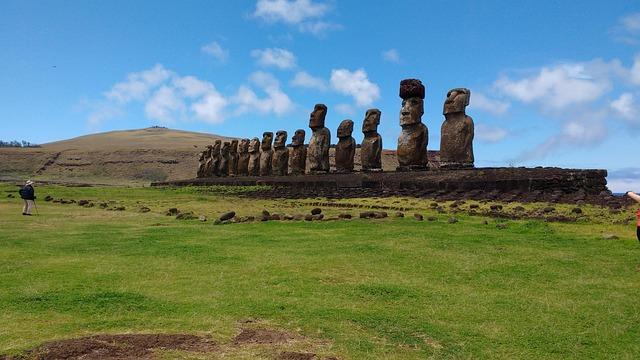
In a groundbreaking revelation that redefines our understanding of ancient cultural practices, new research suggests that the iconic moai statues of Easter Island, long shrouded in mystery, were not crafted under a centralized management system as previously believed. Instead, these monumental stone figures were likely the result of decentralized efforts by various clans across the island. This finding challenges long-held assumptions about the societal organization of the Rapa Nui people and invites a re-examination of the complex social dynamics that shaped one of the world’s most isolated communities. As archaeologists delve deeper into the past of this remote Pacific island, their discoveries promise to shed new light on the ingenuity and collaborative spirit of humanity in the face of challenges.
Understanding the Independent Craftsmanship Behind Easter Island’s Iconic Statues
Recent archaeological studies have shed light on the unique methods employed by the Rapa Nui people in creating the monumental statues of Easter Island, known as moai. Contrary to previous assumptions of a centralized governing body orchestrating these monumental projects, evidence suggests a complex, decentralized system of craftsmanship and community involvement. Each statue, carved from volcanic rock, reflects the individual artistry and cultural expression of the artisan responsible for its creation. The intricacies of the moai’s features, from elongated heads to stylized facial expressions, indicate a strong cultural significance that was distinctly tied to the ancestors and the ecological environment of the island.
The craftsmanship behind the moai involved a cooperative effort among various clans, which contributed not only to the artistic execution but also to the transportation and erection of these colossal figures. Key aspects of this process included:
- Resource Sharing: Clans pooled materials and labor for quarrying and transporting stone.
- Knowledge Transmission: Skills and techniques were passed down through generations, enhancing the quality of each statue.
- Ritualistic Practices: The crafting and placement of moai were often linked to spiritual beliefs, connecting artisans to their ancestors.
This decentralized approach exemplifies a rich collaborative cultural fabric, where the artistic endeavors were deeply rooted in the community’s identity and belief systems, allowing the Rapa Nui people to leave an enduring legacy on this remote island.
Exploring the Social Dynamics of Moai Construction in Pre-Colonial Societies
Recent studies have challenged the traditional notion of hierarchical organization in the construction of the famous Moai statues on Easter Island. Researchers now suggest that these monumental structures were built in a decentralized manner, reflecting a tapestry of community engagement rather than an imposed directive from a central authority. The collaborative effort involved various local groups who pooled their resources and expertise, leading to a unique manifestation of social dynamics that prioritized communal identity and cultural expression over top-down control.
This re-examination of Moai construction reveals several key factors that contributed to this decentralized approach:
- Resource Sharing: Communities shared materials and labor to construct and transport the statues, fostering a sense of unity.
- Cultural Significance: The Moai served as a testament to the respect for ancestors, with every community aiming to honor their lineage.
- Collaborative Festivities: Construction projects likely included communal rituals and celebrations, enhancing social bonds.
The implications of these findings extend beyond Easter Island, providing valuable insights into the ways pre-colonial societies navigated social organization, community cooperation, and the negotiation of individual roles within collective endeavors.
Recommendations for Preserving the Legacy of Easter Island’s Cultural Heritage
To safeguard the invaluable cultural heritage of Easter Island, collaborative efforts among the local community, researchers, and global organizations are essential. Initiating educational programs focused on the island’s history and traditions can empower residents, instilling pride and fostering stewardship of their unique legacy. Additionally, engaging young people in traditional arts and crafts may reinforce cultural practices, ensuring that skills are passed down through generations. Such initiatives not only preserve heritage but also stimulate local economies through cultural tourism.
Another critical strategy for preservation involves establishing effective management frameworks that incorporate local voices. Creating a governing body that includes indigenous Rapa Nui representatives can ensure that development initiatives align with community values and cultural priorities. Moreover, implementing sustainable tourism practices will minimize environmental impact while promoting awareness of the island’s archaeological significance. By integrating these practices, we can honor the rich legacy of Easter Island and safeguard its treasures for future generations.
Key Takeaways
In conclusion, the revelations surrounding the creation of the famed Easter Island statues challenge long-held beliefs about the island’s ancient society. The research, highlighting a decentralized approach to construction and artistry, prompts a reevaluation of how complex cultural achievements can arise without centralized management. This new understanding not only sheds light on the ingenuity of the Rapa Nui people but also opens up broader discussions about the societal structures that facilitate monumental projects in diverse contexts. As archeologists continue to uncover the mysteries of Easter Island, the story of these iconic statues remains a powerful testament to human creativity and collaboration in the face of challenges. The enduring allure of the moai will continue to intrigue researchers and visitors alike, standing as a monument to a culture rich in history and resilience.