
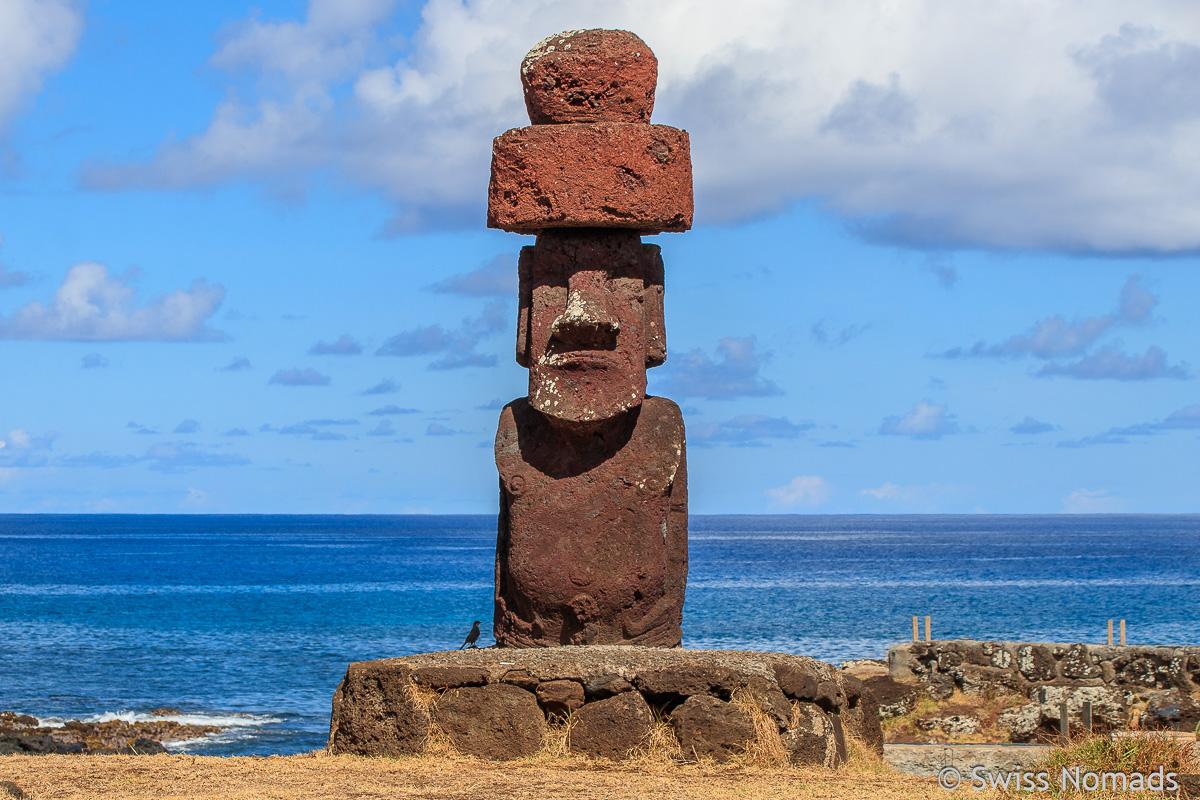
Rapa Nui: Back from the Brink – A UNESCO Revival Story
In a remarkable turnaround for one of the world’s most enigmatic islands, Rapa Nui, commonly known as Easter Island, is emerging from the shadows of environmental degradation and cultural loss. Once teetering on the brink due to deforestation and the impacts of tourism, this remote Pacific paradise is now the focus of an ambitious restoration initiative backed by UNESCO. The island, renowned for its monumental moai statues and rich Polynesian heritage, faces a new dawn as local communities, government bodies, and international organizations come together to revive its ecological and cultural landscape. This article explores the innovative measures being implemented to safeguard Rapa Nui’s unique identity while fostering sustainable tourism practices that honor its past and secure its future.
Revitalizing Rapa Nui: The Journey Towards Sustainable Tourism
The serene beauty of Rapa Nui, known for its enigmatic moai statues and vibrant culture, stands at a critical juncture as the island pivots towards sustainable tourism. With an increase in visitor numbers threatening both its natural and cultural heritage, local stakeholders are uniting to forge a path that prioritizes environmental conservation and cultural preservation. Conservation initiatives are being implemented to protect endemic flora and fauna, alongside educational programs fostering local awareness about the fragility of their ecosystem.
Furthermore, collaborative efforts between the community, government, and international organizations are ensuring that tourism supports the local economy without compromising Rapa Nui’s authenticity. Key strategies include:
- Capacity management: Implementing visitor caps to reduce overcrowding.
- Community-led tours: Empowering locals to guide tourists, offering authentic insights into their traditions.
- Sustainable practices: Promoting eco-friendly accommodations and reducing plastic usage.
| Initiative | Description |
|---|---|
| Moai Restoration | Preserving iconic statues for future generations. |
| Cultural Workshops | Hands-on experiences in traditional crafts and practices. |
| Wildlife Protection | Efforts to safeguard endangered species native to the island. |
Preserving Cultural Heritage: Community Engagement in Rapa Nui Restoration Efforts
Efforts to restore Rapa Nui, also known as Easter Island, have revitalized the island’s cultural landscape, hinging significantly on community involvement. Local populations, along with international organizations, have spearheaded initiatives that focus on the preservation of significant historical sites, such as the iconic moai statues. Engaging residents not only fosters a deeper connection to their heritage but also encourages the transmission of traditional knowledge and practices to future generations. Activities include:
- Training workshops on traditional construction techniques for restoring moai.
- Community-led archaeological digs to uncover and document undiscovered artifacts.
- Cultural festivals and exhibitions showcasing local crafts, stories, and dances.
The integration of local beliefs and customs into restoration projects has proven transformative, creating a sense of ownership among the Rapa Nui people. Collaborative models have enabled scientists and historians to work alongside indigenous leaders, ensuring that restoration efforts are not only effective but culturally respectful. A recent table detailing key community initiatives reflects this synergy:
| Initiative | Objective | Involved Parties |
|---|---|---|
| Traditional Moai Restoration | Preserve historical significance | Local artisans, NGOs |
| Heritage Education Programs | Raise awareness among youth | Schools, cultural leaders |
| Ecological Sustainment Projects | Refresh natural surroundings | Community volunteers, scientists |
Future Challenges and Opportunities: Strategies for Rapa Nui’s Environmental Resilience
As Rapa Nui confronts the dual challenges of climate change and ecological degradation, strategic planning becomes imperative for the island’s sustainable future. Local authorities, in collaboration with international agencies, need to develop adaptive management frameworks that incorporate indigenous practices and modern scientific approaches. Communities can capitalize on their rich traditional knowledge regarding land and sea management by engaging in strategies such as:
- Reforestation and Conservation: Implementing tree planting initiatives and habitat restoration to revive biodiversity.
- Marine Protection: Establishing protected marine areas to sustain fish populations and preserve coral reefs.
- Renewable Energy Projects: Investing in solar and wind energy to reduce reliance on fossil fuels and mitigate greenhouse gas emissions.
Furthermore, fostering sustainable tourism can create economic opportunities while maintaining the island’s environmental integrity. A strategic emphasis on eco-friendly practices within the tourism sector not only generates revenue but also raises awareness about conservation efforts among visitors. Creating an environmentally responsible tourism policy could involve measures such as:
- Visitor Education Programs: Informing tourists about local ecosystems and the importance of preservation.
- Community Involvement: Engaging local residents in tourism initiatives to ensure that economic benefits remain within the community.
- Limitations on Visitor Numbers: Regulating the influx of tourists to prevent resource depletion and overcrowding.
The Conclusion
In conclusion, the resurgence of Rapa Nui is a testament to the resilience and determination of its people, as well as the global community’s commitment to preserving its unique heritage. Through collaborative efforts involving local stakeholders, conservationists, and UNESCO, the island has begun to heal from the scars of environmental decline and cultural erosion. With proactive measures in place, Rapa Nui is not only safeguarding its monumental Moai statues and breathtaking landscapes but also revitalizing its traditions and fostering sustainable tourism. As the island continues to navigate the challenges of modernity while cherishing its rich history, it stands as a symbol of hope that other vulnerable communities worldwide can draw inspiration from. The journey of Rapa Nui serves as a poignant reminder that the preservation of cultural heritage is not merely about safeguarding the past; it is about nurturing the future for generations to come.










