
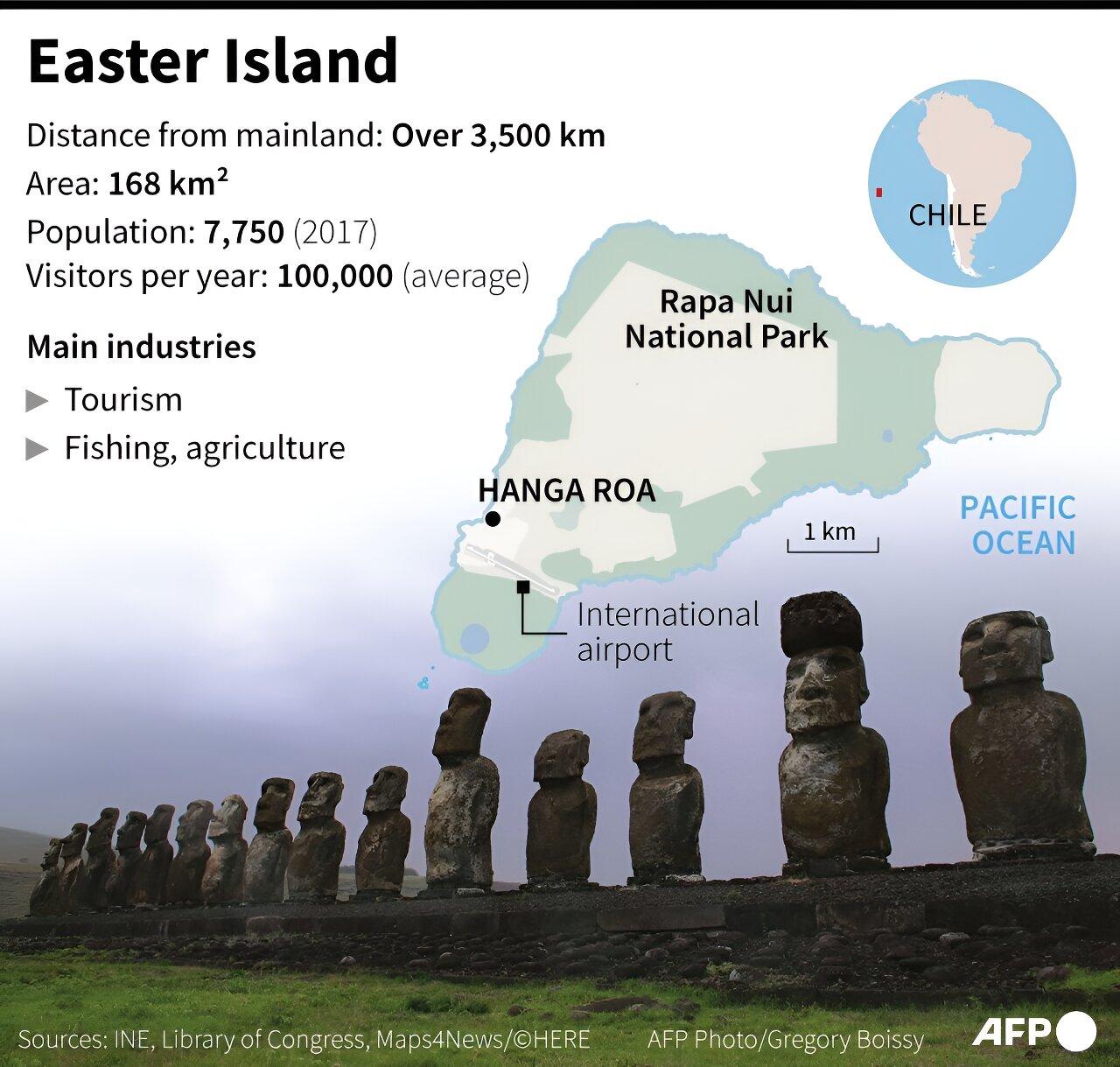
Recent research has sparked a reevaluation of the long-held belief that Easter Island, famously known for its monumental Moai statues, suffered a catastrophic ecological collapse due to human activity. Historically portrayed as a cautionary tale of environmental destruction, new studies challenge the narrative of ‘ecocide’ on the remote island. According to findings highlighted in The Telegraph, evidence suggests that natural climatic factors, rather than deforestation driven by human actions, played a more significant role in shaping the island’s ecological history. As historians and scientists delve deeper into the past, this fresh perspective raises critical questions about environmental stewardship and the complexities of human impact on isolated ecosystems.
Revisiting the Myth of Ecocide on Easter Island Through Recent Research
Recent studies challenge the long-held narrative that Easter Island, known for its iconic moai statues, underwent catastrophic ecological collapse due to human activity. Instead of attributing the island’s environmental changes solely to the arrival of Polynesian settlers and their deforestation practices, researchers now suggest a more nuanced understanding of the island’s history. The findings indicate a complex interplay of factors, including climate fluctuations and external influences, that contributed to its ecological landscape. Key insights include:
- Climate Variability: Data show that shifts in climate may have played a significant role in resource depletion.
- Socioeconomic Structures: Evidence suggests that the Rapa Nui people adapted their agricultural practices over time, indicating resilience rather than inevitable collapse.
- External Pressures: The introduction of colonial influences and diseases impacted the population and its resource management, complicating the narrative of self-inflicted ecocide.
Furthermore, a recent analysis of archaeological evidence reveals that the island’s inhabitants utilized sustainable practices, including rotational agriculture and fishery management, that have often been overlooked. Rather than an irreversible ecological disaster, the Rapa Nui experience reflects a community that was dynamic and resourceful in the face of environmental challenges. A comparative study of similar island ecosystems supports these findings, highlighting the importance of tailored management strategies in the sustainability discourse. The table below summarizes the prevailing misconceptions and emerging insights about Easter Island’s ecological history.
| Myth | Emerging Insight |
|---|---|
| Deforestation caused total collapse | Adaptation to environmental changes was employed. |
| Population decline due to resource scarcity | Colonial impacts and disease played a major role. |
| Uniform practices led to ecocide | Diverse and sustainable methods existed among the Rapa Nui. |
Understanding the Environmental and Social Dynamics of Easter Island’s Ancient Societies
Easter Island, known for its iconic Moai statues, has long been shrouded in the narrative of ecological collapse due to deforestation and resource depletion. However, recent studies challenge this established perspective, suggesting that the island’s ancient societies exhibited complex environmental and social dynamics, which have often been oversimplified. Researchers argue that rather than succumbing to an inevitable downfall caused by human actions, the Rapa Nui people adapted their practices and developed sustainable methods to manage their resources over centuries. This intricate relationship with their surroundings reveals a community that was resilient and innovative, rather than one that faced dire consequences due to careless exploitation.
New findings highlight several strategies employed by the Rapa Nui to successfully navigate their island’s challenges:
- Agricultural techniques that enhanced soil fertility,allowing for sustainable crop production.
- Community-based resource management ensuring equitable access and conservation of vital natural resources.
- Cultural practices that emphasized respect for resources, fostering a sense of stewardship within the society.
This nuanced understanding insists on viewing Easter Island not as a cautionary tale of demise but as a complex ecosystem where social and environmental interactions played a critical role in shaping the fate of its ancient inhabitants. Future research could further unravel these dynamics,allowing for a greater gratitude of the resilience and ingenuity that characterized the Rapa Nui civilization.
Implications for Modern Sustainability Practices from Easter Island’s Resilient Ecosystem
Recent studies challenging the long-held belief that Easter Island’s ecosystem collapsed due to human activity have profound implications for modern sustainability practices. As new research suggests that the islanders adapted their agricultural techniques and resource management over time, contemporary societies can derive valuable lessons from their resilience. These findings invite a reevaluation of the factors that contribute to environmental sustainability, focusing on the importance of adaptive strategies rather than viewing human intervention solely as destructive. Methods such as:
- Agroforestry: Integrating trees and shrubs with crops.
- Soil Enrichment: Using organic matter for nutrient retention.
- Water Management: Harvesting rainwater and conserving resources.
Understanding how Easter Island’s past inhabitants successfully navigated their challenges underscores the significance of collaboration within ecosystems. As modern communities grapple with issues like climate change and resource scarcity,the island’s historical model suggests that sustainable practices can emerge through community-centric approaches. A collaborative effort can include localized decision-making, where stakeholders actively participate in resource management, leading to solutions that are both environmentally sustainable and socially equitable. Highlighted below are some strategies that can be inspired by Easter Island’s ecological resilience:
| Strategy | Benefit |
|---|---|
| Community Workshops | Foster shared knowledge on sustainable practices |
| Local Farming Initiatives | Reduce carbon footprint and enhance food security |
| Biodiversity Projects | Enhance ecosystem resilience and productivity |
The Way Forward
new research challenging the long-held narrative of environmental devastation on Easter Island invites a reexamination of our understanding of the island’s complex history. As scholars continue to delve into the socio-political and ecological factors that shaped the Rapa Nui civilization,these findings underscore the importance of basing our historical perspectives on evidence rather than myth. The debates surrounding the fate of Easter Island offer valuable lessons about sustainability and human resilience, reminding us that environmental challenges are often multifaceted and deeply intertwined with cultural and social dynamics. As this conversation evolves, it will be crucial for researchers, policymakers, and the global community to learn from the past to better address contemporary ecological issues.










