Title: New Research Challenges Demographic Collapse Hypothesis for Easter Island
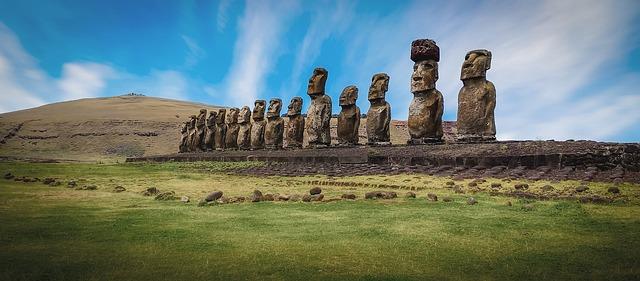
Recent findings have emerged that cast doubt on the long-held belief in the demographic collapse hypothesis associated with Easter Island,a remote Pacific island famous for its iconic moai statues. Traditionally, this theory posited that the island’s population plummeted due to environmental degradation and overexploitation of resources, leading to societal collapse. however, new research published by a team of scientists sheds light on this complex narrative, suggesting a more nuanced understanding of the island’s history. By utilizing advanced archaeological techniques and re-evaluating centuries-old data, these researchers argue for a reinterpretation of Easter Island’s past, challenging the notion of a tragic demise and opening the door to new insights about the resilience and adaptation of its inhabitants.As the debate surrounding Easter Island’s legacy continues, these findings promise to reshape our understanding of human impacts on isolated ecosystems.
New Insights into the Socio-Economic Dynamics of Easter Island’s Ancient Civilizations
A recent wave of analysis concerning the ancient civilizations of Easter Island has unveiled findings that significantly challenge the longstanding narrative of demographic collapse due to resource depletion.Researchers have employed advanced methodologies, including radiocarbon dating and geospatial analysis, to delve deeper into the socio-economic structures that once thrived on the island. These studies indicate that the population dynamics were more complex than a simplistic decline; rather, there was a period of adaptation and resilience in response to environmental pressures. Key insights include:
- Innovative Agricultural Practices: Evidence of sophisticated gardening techniques that maximized land use efficiency.
- Diverse Economic Strategies: the incorporation of fishing and trade networks that transcended the island’s geographic limits.
- cultural Cohesion: Strengthened community ties that fostered resource-sharing and conflict resolution, allowing for sustained population levels.
Additionally, an examination of the island’s resource management sheds light on the role of traditional practices that promoted sustainability even in challenging circumstances. Historical accounts indicate a notable integration of cultural rituals with agricultural cycles, which ensured the maintenance of both the population and the land. The emerging data supports a re-evaluation of how resilience was manifested,as reflected in the table below:
| Strategy | Impact | Duration |
|---|---|---|
| Crop Rotation | Soil Health | Long-term sustainability |
| Fishery management | Food Security | Continuous Supply |
| Community Collaboration | Social Stability | Generational Continuity |
Implications of Recent Findings on the Population Decline Narrative
Recent research findings challenge the long-held narrative of catastrophic population decline on Easter Island,suggesting that the collapse hypothesis may be overly simplistic and not supported by emerging evidence.Rather than succumbing to environmental collapse and sociopolitical strife, the island’s inhabitants demonstrate a more nuanced and resilient adaptation to their ecological context. Key factors redefining our understanding include:
- Longevity of Inhabitants: Ongoing archaeological studies indicate sustained habitation, with significant population resilience even amid resource constraints.
- Cultural and Technological Adaptation: Findings suggest that the Rapa Nui people employed innovative practices to manage their resources more sustainably than previously believed.
- Interconnectedness with External Trade: Evidence of continued trade interactions with Pacific neighbors may have provided essential resources that helped stabilize the population.
This re-evaluation opens up fresh discussions on the dynamics of Easter Island’s socio-environmental interactions,posing critical questions about how historical narratives are formed. To illustrate these points, the following table summarizes contrasting perspectives on population trends:
| Perspective | Traditional View | Emerging Research |
|---|---|---|
| Population Trend | Sharp Decline | Resilience and Adaptation |
| Cultural Practices | Resource Depletion | Enduring Management |
| External Influences | Isolation | Trade and Interaction |
The implications of these findings extend beyond Easter Island, prompting a reconsideration of how we interpret similar demographic narratives across different cultures and histories. This shift invites stakeholders in environmental and cultural studies to reevaluate the resilience of societies in the face of ecological challenges, noting that narratives of collapse may frequently overlook the intricate complexities of human adaptability.
Recommendations for Future Research and Preservation Efforts at Easter Island
As new insights into the sociocultural dynamics of Easter Island emerge,it is essential that future research directions prioritize a multidisciplinary approach. Teams should focus on integrating archaeological, ecological, and sociopolitical studies to construct a more complete understanding of the island’s history. Key areas for exploration include:
- environmental Resilience: Examine how ancient Polynesians adapted their agricultural practices to sustain the island’s ecosystems.
- Cultural Continuity: Investigate oral histories and cultural artifacts to trace the lineage of practices and societal structures.
- marine Resources: Analyze fishing practices and their role in sustaining the island’s population, particularly in times of ecological stress.
In addition to academic research, ongoing preservation efforts are vital for safeguarding Easter Island’s cultural heritage. Effective conservation strategies should aim to engage local communities, fostering stewardship and ownership of their heritage. Suggested initiatives include:
- Community-Led Resilience Projects: Encourage local involvement in sustainable practices that protect both cultural sites and the habitat.
- Educational Outreach: Develop programs that raise awareness about the importance of cultural preservation and sustainable practices among residents and visitors.
- Monitoring and Assessment: Implement regular assessments of archaeological sites to track changes and potential threats posed by climate change and tourism.
| Research Area | Focus |
|---|---|
| Environmental Resilience | Sustainable agricultural practices |
| Cultural Continuity | Oral histories and artifacts |
| Marine Resources | Fishing and sustenance |
In Conclusion
the latest research provides a compelling counter-narrative to the long-held beliefs surrounding the demographic collapse hypothesis of Easter Island. by employing advanced methodologies and fresh analytical perspectives, scientists are beginning to unravel the complex interplay of environmental, social, and economic factors that shaped the island’s history. This pivotal study not only challenges established paradigms but also invites further investigation into our understanding of societal resilience and adaptation in the face of ecological pressures. As researchers continue to explore the intricacies of Easter Island’s past, these findings underscore the importance of re-evaluating historical narratives and remind us of the need for nuanced interpretations of human-environment interactions. The insights gained from this research may well reshape our outlook on other societies facing similar challenges today.