
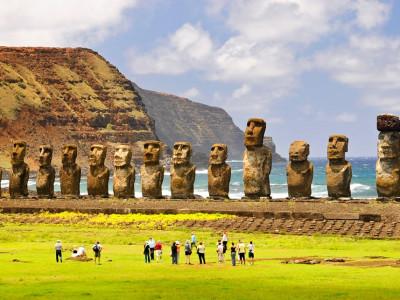
The Future of Easter Island’s Moai Statues: A Pivotal Moment
Easter Island, renowned for its enigmatic moai statues that dominate the landscape, is currently facing a critical challenge that raises urgent questions about the preservation of these extraordinary monuments. Recent studies reveal alarming environmental changes and the impact of increasing tourism on the island’s delicate ecosystem, threatening the very foundations upon which these statues are built. As scholars and conservationists evaluate these developments’ implications, global interest intensifies around what could be a defining moment for one of humanity’s most remarkable cultural legacies. This article delves into the urgent challenges confronting Easter Island’s moai, outlines ongoing preservation efforts, and reflects on their significance for cultural heritage conservation in an era characterized by rapid change.
The Threats of Climate Change to Moai Statues
The iconic moai statues on Easter Island are facing unprecedented threats due to climate change. Rising sea levels and altered rainfall patterns are hastening coastal erosion, endangering many locations where these monumental figures stand. Experts warn that without immediate intervention, numerous moai may be submerged or damaged by flooding events. Furthermore, the unique volcanic rock used in crafting these statues is susceptible to degradation from extreme weather conditions-further compromising their structural integrity.
In response to these concerning trends, local authorities and conservation groups are advocating for a comprehensive plan aimed at protecting these iconic structures. Key elements include:
- Monitoring Coastal Erosion: Conducting regular assessments to identify vulnerable areas.
- Restoration Projects: Implementing repairs and reinforcements on endangered statues.
- Civic Engagement: Involving local communities in conservation initiatives to raise awareness.
This proactive strategy is deemed crucial for safeguarding Easter Island’s heritage for future generations while underscoring an urgent need for coordinated action amid shifting climatic conditions.
Assessing Preservation Approaches for Cultural Icons
- Environmental Monitoring Systems: Establishing advanced technologies capable of tracking weather fluctuations and ground stability for timely interventions.
- Tourism Regulation: Restricting access to particularly fragile statues in order to minimize wear caused by visitors.
- Cultural Restoration Initiatives: Launching collaborative international projects focused on restoring damaged sculptures using both traditional techniques and modern innovations.
A crucial aspect also involves educating both locals and tourists about their shared responsibility towards preserving cultural heritage. Awareness campaigns can inform visitors about the importance of these monuments along with their protection needs. A comprehensive preservation framework might also incorporate:
| Name of Strategy | Potential Benefits | |
|---|---|---|
| Community Engagement . | <Increased local involvement in maintenance activities . | |
| Research Initiatives . <
td >Enhanced understanding regarding sustainable practices . <
/ tr >
/ tbody > / table > / div > h2 id = “the-role-of-community-involvement-in-cultural-management” > Community Participation: Vital For Sustainable Heritage Management p > As Easter Island faces unprecedented challenges related its iconic moais , community participation has emerged as an essential factor in preserving this cultural legacy . Recent studies indicate that when communities actively engage , it not only improves preservation effectiveness but also strengthens residents ‘ connections with their cultural identity . Involving families , custodians ,and organizations within decision-making processes ensures methods employed respect sustainability principles while honoring island traditions . p>The necessity collaboration becomes evident when considering potential consequences stemming from neglect towards such significant artifacts . To effectively implement community-driven initiatives , several strategies should be prioritized including :
|










