
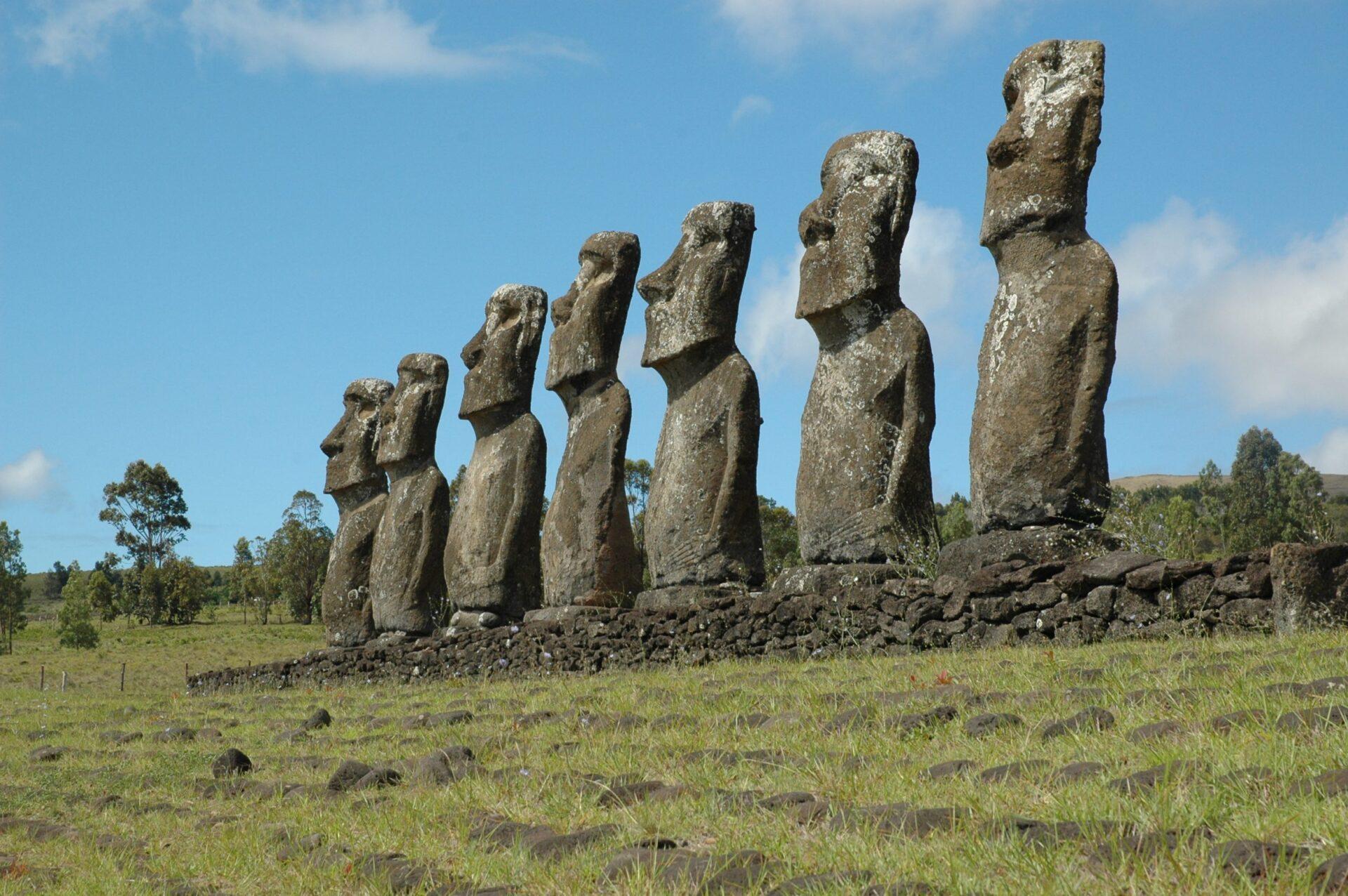
Unveiling the Mysteries of Easter Island’s Moai: A Fresh Look at Ancient Engineering
Recent discoveries have the potential to reshape our understanding of one of the world’s most enigmatic archaeological sites-Easter Island. Researchers are beginning to unravel the mystery behind how the island’s iconic giant statues, known as moai, were transported across its rugged terrain. For centuries, these monumental figures have intrigued historians and explorers alike, with theories ranging from advanced engineering methods to spiritual practices. New findings from a groundbreaking study shed light on how the Rapa Nui people maneuvered these massive sculptures, enhancing our understanding of their construction techniques and societal organization. This insight not only deepens our appreciation for Easter Island’s cultural heritage, but also highlights human ingenuity in overcoming environmental challenges.
Exploring How Moai Statues Were Transported
The long-standing question about how these enormous moai statues were moved has captivated archaeologists and historians for generations. Recent research suggests that rather than being rolled or dragged along, many of these towering figures-some reaching heights over 30 feet and weighing up to 14 tons-were likely transported upright using a technique known as “walking.” This method involves coordinated teamwork where individuals rock the statues back and forth while guiding them with ropes. Several key factors contributed to this innovative approach:
- Terrain Adaptability: The ability to navigate various landscapes without causing damage.
- Synchronized Teamwork: The need for coordinated movements that ensured stability during transport.
- Rope Craftsmanship: The creation of strong yet flexible ropes essential for securing and directing the moai.
Additively, archaeological evidence indicates that levers and wooden sledges may have been used alongside this walking technique. While definitive tools remain elusive, it is believed that such methods worked together effectively to reduce friction while providing necessary leverage during movement. An analysis of statue placements reveals intriguing patterns suggesting that this clever approach was not only practical but possibly an established skill set among islanders. Below is a summary table outlining supporting theories:
| Theory | Description |
|---|---|
| “Walking Technique” | A synchronized rocking motion employed for moving statues. |
| “Lever Utilization” | The use of levers for effective lifting and shifting weight. |
| “Wooden Sledges” | Sledges used to minimize ground friction during transport. |
Insights into Ancient Engineering Techniques
This recent research sheds light on how Rapa Nui inhabitants ingeniously navigated their challenging environment by employing sophisticated logistical strategies informed by historical records combined with modern computer simulations. Rather than relying solely on brute strength, evidence suggests they applied principles rooted in physics and engineering knowledge.
Certain critical aspects highlight this ancient engineering feat:
- Use of Local Resources: Utilizing wooden sledges along with ropes facilitated organized efforts while minimizing logistical challenges.< /li >
- Innovative Techniques: Methods like rocking allowed greater mobility; islanders adapted effective strategies based on environmental conditions.< /li >
- Sustainable Resource Management: Careful stewardship over local resources reflects an understanding crucial for long-term success.< /li >
< /ul >Engineering Aspect< /th > Description< /th > < td >Transportation< / td >< td >Utilizing sledges & ropes made statue movement easier.< / td >< tr >< td >Community Collaboration< / td >< td >Organized collective effort maximizing manpower efficiency.< / td >< tr >< td >Environmental Consideration< / td >< td>A commitment towards sustainable practices minimizing ecological impact.< / td > Cultural Preservation & Tourism Development Implications
The newfound insights regarding transportation techniques utilized by Easter Island’s iconic moai could significantly influence global cultural heritage preservation efforts . Understanding how these monumental structures were relocated enhances appreciation towards Rapa Nui ingenuity while underscoring importance behind safeguarding traditional knowledge systems . Such information can play pivotal roles when implementing strategies designed specifically aimed at protecting fragile structures against environmental threats or tourism-related damages . These discoveries stress needful collaboration between local communities , researchers , heritage managers ensuring sustainable preservation practices concerning unique cultural landscapes found within easter islands borders .
The tourism sector continues its steady growth around Easter Island; renewed interest surrounding transportation opens avenues leading towards responsible tourism development initiatives . Stakeholders can utilize acquired knowledge creating engaging educational experiences promoting respect sensitivity towards rich histories embedded within each visit made here . Potential strategies include :
- < strong Interactive Workshops:< strong involvement tourists traditional crafts practices li />
- < strong Cultural Tours:< strong guided experiences narrating history behind each majestic figure li />
- < strong Sustainable Initiatives:< strong programs aiming reduce ecological footprints li />
- < strong Community Involvement:< strong engagement local guides sharing personal stories li />
< tbody style= "" border= "0">< tr style = "" border = "0">< th style = "" border = "0">< b Tourism Strategy< th style = "" border =" 0">< b Description< th />
< t d Engagement Activities < t r style=""border =" 0">< t d Guided Cultural Tours If implemented effectively , ongoing studies exploring ways move moais will enrich narratives surrounding easter islands culture fostering sense responsibility amongst visitors whilst simultaneously protecting invaluable heritages left behind future generations ! Blending discovery tourism enhances visitor experience contributing economic sustainability local communities alike !
Final Reflections
As researchers continue unveiling mysteries tied closely associated with easter islands past , recent revelations concerning transportation methods utilized by its iconic maoi represent significant advancements enhancing overall comprehension related rich histories embedded therein ! Innovative approaches taken scientists shed light upon ingenious tactics employed ancient civilizations reminding us resilience resourcefulness displayed throughout time periods gone past ! As research unfolds further exploration awaits uncovering deeper meanings tied directly back cultures significance imparted through lessons learned about human creativity sustainability intertwined forevermore within fabric existence itself! Story remains unfinished ; delving deeper reveals even more astonishing insights challenging perceptions held previously regarding historical achievements made possible through sheer determination innovation spirit alive today still thriving amidst changing world around us all!
Unlocking Tomorrow: H.E. Ambassador Duarte Lopes Shares Visionary Insights on Europe, North Africa, and the Mediterranean
During a recent event hosted by the Stimson Center, participants delved into a captivating discussion about the evolving relationships between...
Read moreDetails









