
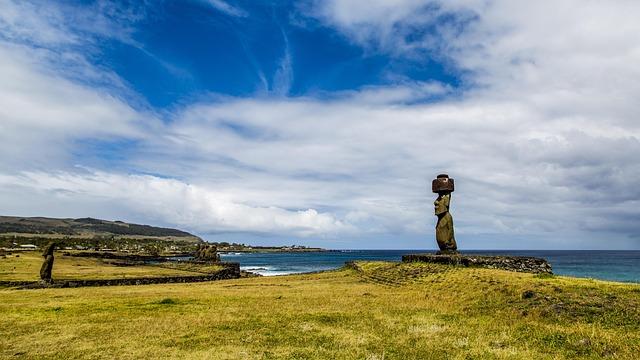
Easter Island Statues on the Brink: A Cultural Heritage at Risk
In a concerning development for global heritage conservation, the iconic Moai statues of Easter Island, renowned for their towering presence and historical significance, face an uncertain future. New research highlights the potential threats posed by climate change, environmental degradation, and increasing tourism pressures, which could soon bring these ancient monoliths to the brink of disappearance. As custodians of a rich cultural legacy, experts are urgently calling for immediate action to preserve these enigmatic figures, whose origins and construction continue to captivate scholars and visitors alike. In this article, we delve into the factors jeopardizing the survival of the Moai and explore the ongoing efforts to safeguard one of the world’s most treasured archaeological sites.
Easter Island Statues Face Unprecedented Threats from Climate Change and Erosion
The iconic Moai statues of Easter Island, known for their striking features and historical significance, now stand vulnerable as climate change accelerates threats to their preservation. Rising sea levels and more severe weather patterns have begun to erode the sandstone and volcanic tuff from which these statues were carved. Key aspects contributing to this worrisome situation include:
- Increased Erosion: Stronger waves and storms are chiseling away at the coastlines, where many of the statues are located.
- Temperature Fluctuations: Rising temperatures cause thermal expansion and contraction, compromising the structural integrity of the statues.
- Invasive Species: The proliferation of non-native plants can destabilize the landscapes that protect the Moai from erosion.
Recent studies have highlighted alarming projections, with experts estimating that without immediate intervention, the remains of the famed statues could be significantly damaged within the next few decades. The local government, along with international organizations, are exploring a variety of preservation strategies to mitigate these challenges. Considerations include:
| Strategy | Description |
|---|---|
| Coastal Barriers | Construction of natural barriers to absorb wave energy. |
| Research Initiatives | Funds allocated for climate impact research on the statues. |
| Local Awareness Campaigns | Educational programs aimed at conservation and protection efforts. |
Experts Urge Immediate Action to Preserve Iconic Moai Amidst Environmental Challenges
As climate change continues to threaten ecosystems worldwide, the iconic Moai statues of Easter Island face unprecedented risks caused by rising sea levels, erosion, and severe weather patterns. Experts are sounding the alarm, emphasizing the urgency of implementing immediate protective measures to safeguard these ancient monoliths. The Ahus, or ceremonial platforms, which support many of the Moai, are increasingly vulnerable, creating an alarming prospect for these cultural landmarks that represent a significant chapter in Pacific Island history.
To tackle the accelerating deterioration of the Moai, a comprehensive action plan must be adopted. Initiatives could include:
- Collaboration with Local Communities: Engaging Rapa Nui residents in conservation efforts ensures preservation through traditional knowledge.
- Investment in Restoration Technology: Utilizing innovative techniques to stabilize and restore the statues and their platforms.
- Environmental Monitoring: Establishing systematic monitoring to assess damage and adapt strategies as environmental conditions evolve.
The table below summarizes the key threats and potential solutions to preserve these historical treasures:
| Threats | Potential Solutions |
|---|---|
| Rising Sea Levels | Construct barriers and drainage systems to manage flooding. |
| Erosion from Storms | Restore natural vegetation to protect coastlines. |
| Visitor Impact | Implement visitor regulations and designated pathways. |
Innovative Conservation Techniques Could Save Easter Island’s Cultural Heritage for Future Generations
As the iconic moai statues of Easter Island face threats from climate change and environmental degradation, innovative conservation techniques are emerging as crucial solutions to preserve this cultural heritage. Researchers are now leveraging advanced technology to monitor the health of these ancient statues, employing drones equipped with high-resolution cameras to assess structural integrity and identify areas at risk. These aerial surveys allow for real-time data analysis, which can be used to implement immediate protective measures. Moreover, experts are developing biodegradable protective coatings that shield the statues from the harsh coastal elements, ultimately prolonging their life span and maintaining their visual integrity.
In addition to technological advancements, collaborative conservation efforts involving local communities are proving to be effective in safeguarding Easter Island’s heritage. Engaging the Rapa Nui people in conservation practices fosters a sense of ownership and responsibility towards their cultural landmarks. Educational programs focused on sustainable tourism promote awareness about the significance of preserving these statues, encouraging visitors to respect and protect the island’s historical treasures. The following table illustrates a few innovative methods currently in use, showcasing their unique benefits:
| Technique | Description | Benefits |
|---|---|---|
| Drone Surveillance | High-resolution aerial imaging for structural assessment. | Real-time monitoring, quick response to damages. |
| Biodegradable Coatings | Eco-friendly application to protect statues from weathering. | Reduces environmental impact while preserving aesthetics. |
| Community Engagement | Involving locals in preservation efforts. | Fosters cultural ownership, enhances awareness. |
To Conclude
As the world grapples with the implications of climate change and rising sea levels, the fate of the iconic Moai statues of Easter Island hangs in the balance. Once standing proudly, these ancient monoliths are now at risk of erosion and environmental degradation, threatening a cultural heritage that has endured for centuries. The urgency to protect these sculptures underscores the broader need for global awareness and intervention in preserving our planet’s historical treasures. As scientists and conservationists rally to develop sustainable solutions, the hope remains that through collective action, we can safeguard these remarkable testaments to human ingenuity for future generations. The fight to protect the Moai is not just a matter of preserving art; it is about honoring the stories and legacies of those who came before us. As we continue to follow developments on this critical issue, it serves as a poignant reminder of our responsibility to cherish and protect our world’s cultural and environmental heritage.










