Lost Moai Emerges from Vanishing Easter Island Lake
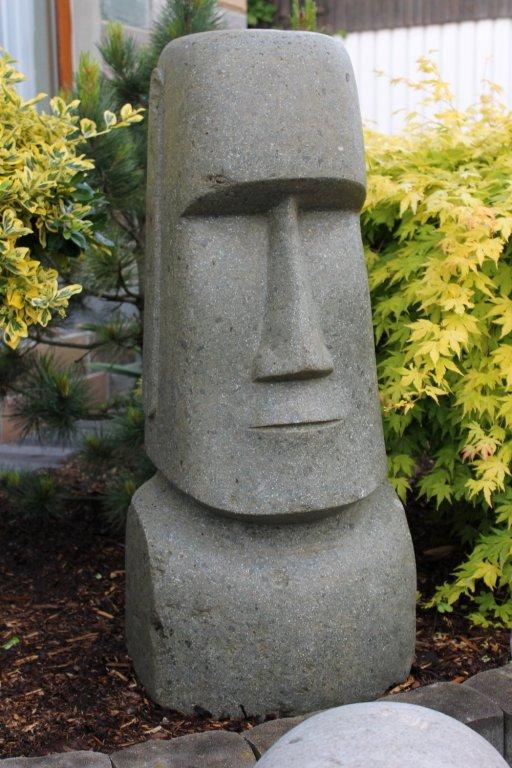
Easter Island, known for its iconic stone statues, has recently revealed a remarkable archaeological finding as persistent drought conditions led to the receding waters of a once-submerged lake. In a striking turn of events, a previously lost Moai-one of the island’s renowned monolithic carvings-has emerged from the depths of the now-shallow lake, intriguing researchers and global audiences alike. This unexpected emergence not only highlights the fragile environmental conditions affecting the remote island, but it also raises questions about the cultural implications and ancient importance of these ancient figures.As scientists rush to study the Moai and its surroundings, this discovery underscores the importance of preserving Easter Island’s unique heritage amidst the challenges posed by climate change.
Lost Moai Emerges Following Drought Conditions on Easter Island
A recent spell of drought conditions on Easter Island has revealed a hidden treasure long thought to have been lost to time. As water levels in the island’s lakes dwindle, an enormous Moai statue, previously submerged, has come into view once again. This striking cultural artifact, one of the iconic monolithic figures that the island is famous for, stands as a testament to the ingenuity of the Rapa Nui people. Local archaeologists have rushed to the site to document the discovery, which could offer invaluable insights into the island’s rich history and its historic water management techniques.
The emergence of this colossal statue has sparked a flurry of interest among tourists and researchers alike. Some key points surrounding the discovery include:
- Historical Significance: The Moai is believed to date back to the 15th century and provides clues about the socio-cultural dynamics of ancient Rapa Nui.
- Environmental Impact: The ongoing drought raises concerns about water conservation and the ecological balance on the island.
- Tourist Attraction: The Moai’s emergence may lead to a surge in tourism, urging local authorities to consider sustainable practices.
Historical Significance and Cultural Impact of the Rediscovered Moai
The recent emergence of the lost Moai from beneath the newly receded waters of Easter Island’s lake has sparked renewed interest in the island’s rich cultural heritage. These monumental stone figures, with their distinctive features and intricate carvings, have long been emblematic of the Rapa Nui civilization. The rediscovery not only raises questions about the ecological changes surrounding the island but also emphasizes the significance of ancestral practices and beliefs that contribute to the identity of the Rapa Nui people.As experts mobilize to analyze this Moai, the opportunity to deepen our understanding of its historical context is invaluable.
The cultural impact of the Moai transcends mere representation; they are potent symbols of resilience and adaptation. Points of discussion include:
- Ancestral Legacy: The Moai stand as a testament to the engineering skills and artistry of the Rapa Nui, showcasing their ability to create monumental art from local volcanic rock.
- Environmental Awareness: The discovery has reignited debates about conservation and the sustainable management of Easter Island’s unique ecosystem.
- Tourism Boost: The newfound attention may lead to an influx of visitors, raising awareness and support for the preservation of both the Moai and the island’s cultural traditions.
Moreover, various stakeholders are examining how this finding can be leveraged for educational programs and cultural exchanges to benefit both the local community and global audiences. The unveiling of the Moai presents a rare opportunity for scholarly discourse and cultural tourism that can help forge a more profound recognition for indigenous cultures.
| Aspect | Significance |
|---|---|
| Historical Context | Reveals the practices and traditions of the Rapa Nui civilization. |
| Cultural Identity | Reinforces Rapa Nui heritage and community pride. |
| Educational Opportunities | Enables knowledge sharing and cultural exchange programs. |
Recommendations for Preservation and Sustainable Tourism on Easter Island
As the recent unveiling of a lost moai from the depths of Easter Island’s lake highlights the island’s rich heritage, it’s crucial to establish sustainable practices that balance tourism with preservation. Local authorities and stakeholders must collaborate to implement strict regulations on visitor interactions with archaeological sites. Strategies could include:
- Guided Tours: Encouraging the use of trained guides who can educate visitors while regulating behavior at sacred sites.
- Visitor Caps: Limiting the number of tourists at popular locations to prevent overcrowding and environmental degradation.
- Cultural Workshops: Promoting workshops that engage visitors in Rapa Nui culture,fostering respect and understanding.
Furthermore, investing in sustainable infrastructure is essential for protecting both the environment and cultural sites. By developing eco-amiable facilities and promoting local businesses, the community can benefit economically while maintaining its heritage. Key investments should include:
| Investment Area | Impact |
|---|---|
| Solar-Powered Facilities | Reduces carbon footprint and energy costs |
| Waste Management Systems | Minimizes pollution and protects marine life |
| Local Artisans Markets | Encourages economic sustainability and cultural exchange |
Key Takeaways
the unexpected emergence of the lost Moai from beneath the receding waters of Easter Island’s once-vibrant lake not only captivates the creativity but also serves as a poignant reminder of the island’s rich cultural heritage. As researchers scramble to document and study this remarkable discovery, questions about the environmental factors contributing to the lake’s disappearance and the implications for the island’s ecosystem remain at the forefront of discussions. The unveiling of this ancient statue offers a unique glimpse into the past, encouraging both locals and visitors to reflect on the historical significance of these monumental works and the delicate balance of nature that surrounds them. As Easter Island faces ongoing challenges, the reappearance of the Moai underscores the importance of preserving this UNESCO World Heritage site for future generations. The story of the Moai is far from over, and as the island continues to unveil its secrets, the world watches with bated breath.