
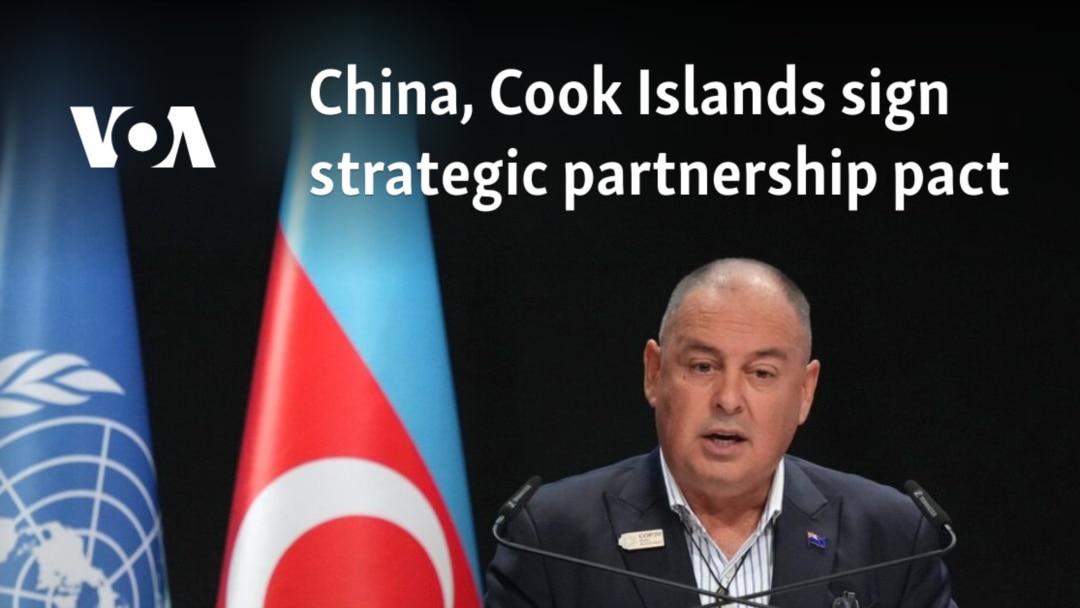
The Impact of the China-Cook Islands Partnership: A New Era in Pacific Geopolitics
A significant transformation is underway in the geopolitical landscape of the Pacific, as the newly forged alliance between China and the Cook Islands is set to reshape regional interactions and global diplomacy. With China’s government deepening its engagement with this small island nation, the implications extend far beyond simple bilateral ties, generating both concern and curiosity among international powers as well as local stakeholders. This partnership, marked by increased economic investment and infrastructure development, not only highlights China’s growing influence in the Pacific but also raises essential questions about sovereignty and governance for smaller nations. Analysts from organizations such as the Royal United Services Institute are scrutinizing how these changes could disrupt existing strategic balances within the region, potentially reshaping alliances while prompting reactions from Western nations eager to maintain their presence.
Impact on Security Dynamics in South Pacific
The growing partnership between China and Cook Islands has triggered significant shifts in security dynamics across South Pacific territories. As Chinese investments increase alongside infrastructure projects, local countries-alongside traditional powers like Australia and New Zealand-are confronted with increasingly complex challenges. This scenario raises concerns about the potential establishment of military bases or strategic operations that could disrupt a region historically dominated by Western influences. Key considerations include:
- Increased Chinese Presence: The potential emergence of Chinese naval facilities or surveillance operations may alter current power dynamics.
- Realignment of Regional Alliances: Nations might feel pressured to reassess their defense strategies, possibly aligning more closely with U.S. interests or other Western allies.
- Impact on Local Governance: An influx of Chinese funding could lead to greater external influence over local decision-making processes, complicating issues surrounding governance autonomy.
Additonally, neighboring countries are likely to respond with heightened vigilance regarding geopolitical shifts. The collaboration between China and Cook Islands may serve as a catalyst for regional arms races or an increase in military spending among Pacific states seeking to protect their interests. The possibility of defense agreements forming among these nations-as a countermeasure against China’s initiatives-raises stakes within an already competitive environment. Consider these potential outcomes:
| Plausible Outcomes | Impact Level |
|---|---|
| A rise in military coalitions among Pacific nations | High |
| Tension on existing defense agreements with Western allies | Medium | High |
Economic Opportunities That Could Transform The Cook Islands’ Landscape
The economic relationship developing between China and Cook Islands is expected to bring transformative changes across various sectors including tourism, agriculture, technology-and ultimately uplift local economies through enhanced infrastructure development opportunities. Preliminary assessments suggest that beneficial collaborations might encompass:
- < strong >Infrastructure Development:< / strong > Upgrading roads , ports ,and communication systems .< / li >
- < strong >Tourism Promotion:< / strong > Targeted marketing efforts aimed at attracting visitors from China .< / li >
- < strong >Sustainable Resource Management:< / strong > Implementing eco-friendly practices within agriculture & fishing sectors .< / li >
< / ul >This anticipated economic growth must be weighed against possible drawbacks such as increased dependence on foreign funding sources along with concerns regarding national sovereignty . Leaders within Cook Islands recognize that it’s crucial they maintain balance protecting domestic interests while welcoming new partnerships . By strategically managing these relationships , they can achieve :
< strong >Potential Challenges< / strong > < strong >Mitigation Strategies< / strong > Overreliance on Chinese investments Diversifying trade relationships Job losses locally Investing into workforce training programs Environmental risks associated with projects.< td/>Enforcing strict regulatory measures.< td/> Strategic Guidance for Stakeholders Regarding This Alliance
The recent alliance formed between China &Cook islands necessitates stakeholders adopting comprehensive approaches navigating forthcoming geopolitical transitions effectively.< Strong governments should prioritize diplomatic engagement fostering understanding dialogue amongst involved parties emphasizing regional stability ensuring smaller states aren't overshadowed larger entities exploring joint ventures reinforcing multilateral agreements safeguarding pacific islanders' interests further assessing supply chain vulnerabilities arising particularly tourism agriculture fisheries sectors due this partnership.
Additionally business leaders ought evaluate emerging prospects stemming increased chinese investment aiming forge partnerships leveraging influx promote community development initiating public-private collaborations fostering innovation meeting societal needs simultaneously civil society plays crucial role advocating transparency community involvement discussions impacts resulting from said collaboration developing thorough action plans outlining social environmental implications enhancing resilience ensuring equitable distribution benefits derived partnerships will yield.
Unlocking Tomorrow: H.E. Ambassador Duarte Lopes Shares Visionary Insights on Europe, North Africa, and the Mediterranean
During a recent event hosted by the Stimson Center, participants delved into a captivating discussion about the evolving relationships between...
Read moreDetails









