
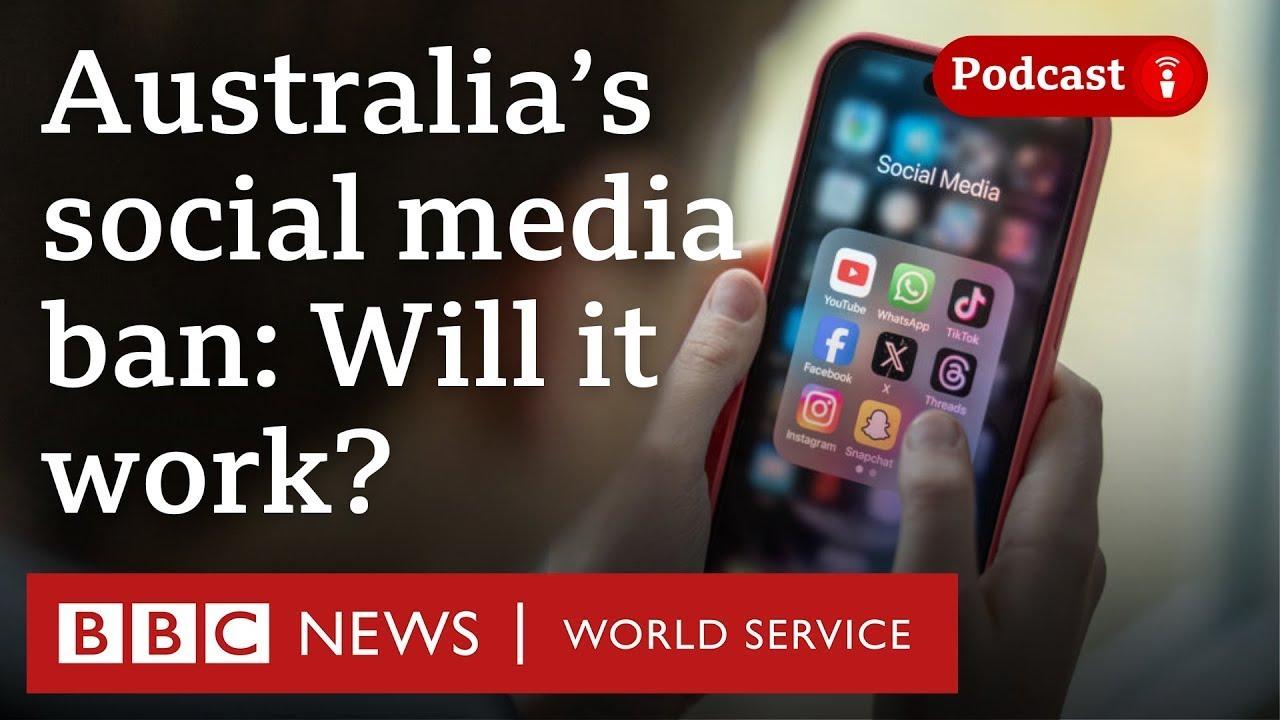
Australia’s Social Media Regulations: A Transformative Shift in Digital Governance
In a pivotal and debated move, Australia is poised to implement new regulations on social media that have sparked intense discussions within the digital landscape. Critics describe this initiative as “concerning,” voicing fears about its potential effects on freedom of expression and information dissemination. As the government seeks to address challenges related to misinformation and user safety, major platforms such as Facebook, Twitter, and Instagram have signaled their readiness to comply with these emerging rules, despite worries about their implications for free speech. This article delves into the complexities of Australia’s social media legislation while examining its repercussions for users, businesses, and the broader online ecosystem. By presenting viewpoints from both proponents and opponents of this regulation, we aim to illuminate the fragile balance between regulatory measures and digital freedoms in our interconnected world.
Australia’s Social Media Regulations: Implications for Free Speech
The Australian government’s initiative to regulate social media has ignited extensive debate regarding its impact on free speech in the digital arena. Opponents argue that such regulations could stifle open dialogue and limit information sharing during crucial moments. The compliance hurdles faced by leading platforms like Facebook, Twitter, and Instagram are central to this discourse as they attempt to navigate governmental mandates while maintaining user trust. Experts caution that suppressing diverse voices online may lead to unintended consequences that weaken public discourse.
Despite widespread concerns regarding these measures, major social media companies have expressed their commitment towards adhering to new regulations. This transition necessitates significant investments in sophisticated monitoring systems designed for compliance with governmental standards. As companies prepare for potential backlash from users dissatisfied with restrictive policies, several critical considerations arise:
- User Privacy Issues: Will increased oversight infringe upon individual rights?
- Information Accessibility: How will these changes affect public access?
- Economic Consequences: What financial burdens will result from implementing these measures?
Expert Analysis on Regulatory Impact
The recent regulatory framework introduced by Australia concerning social media platforms has prompted a variety of discussions among experts who express concern over potential threats posed against freedom of expression as well as innovation within technology sectors. Critics warn that stringent guidelines might lead platforms toward excessive censorship due to fear of penalties imposed by authorities.Experts, therefore emphasize finding a balance between necessary regulation while also ensuring user rights are protected through transparent guidelines aimed at maintaining informational integrity.
- Censorship Concerns: Overregulation could hinder essential public conversations.
- Diminished Innovation: Restrictions may deter tech firms from introducing innovative features or services.
- User Data Protection: There are apprehensions regarding enforcement methods potentially compromising personal data privacy.
Acknowledging these issues yet recognizing necessity; many social media entities are aligning themselves with compliance strategies tailored towards effectively navigating this evolving landscape. While labeled “problematic” by some observers; corporate leaders understand adherence is vital for retaining operational licenses within Australia’s jurisdiction-this transition likely entails considerable investment intoand staff training programs anticipating ongoing shifts in regulatory landscapes as part-and-parcel business operations moving forward . Below is a summary table reflecting industry leaders’ responses concerning compliance approaches :
| Name Of Platform | Tactics For Compliance | <Expert Commentary | ||||||
|---|---|---|---|---|---|---|---|---|
| Facebook< /td > < | Enhanced AI moderation tools< /td > < | Focus on transparency efforts aimed at building trust< / td > | ||||||
| >Potential risk associated with over-censorship< / td ><
<< tr >< td >Instagram< /td >< td>User education campaigns focused initiatives < >>Positive impact anticipated on community engagement< >>/ tr > >>/ tbody > >>/ table > > Approaches To Align Regulation With Digital Freedom In AustraliaNavigating through complex terrain surrounding digital regulation requires careful consideration ensuring protection afforded users whilst promoting an open ecosystem online . Policymakers should contemplate implementing strategies such as :
< li >< strongAdaptive Frameworks:< strongDesign flexible structures capable evolving alongside technological advancements ensuring relevance long-term.< li /> < li >< strongUser Awareness Programs:< strongInvest initiatives enhancing digital literacy empowering Australians comprehend rights responsibilities increasingly digitized world .< /> < li >< strongData Protection Measures:< strongeffectively enforce robust laws prioritizing consent transparency minimizing data collection practices .< /> > p>A comprehensive approach must also incorporate monitoring evaluation mechanisms assessing impacts regulations both user safety freedoms . An effective strategy might involve :
Concluding Thoughts On Australia’s Social Media LegislationIn conclusion , Australia’s recent enactment banning certain aspects related specific social networks raises profound inquiries regarding future communication dynamics along with governance practices across nation’s borders . Although intentions behind government action stemmed desire address pressing societal matters ; complexities enforcement ramifications experienced businesses cannot be overlooked either way moving forward remains uncertain how compliance unfolds what broader implications arise global context surrounding interactions via popular channels used today . As various stakeholders continue evaluating situation ; larger conversation encompassing topics such as digital rights privacy responsibilities held technology providers will undoubtedly persist amidst growing pressures stemming legislative frameworks coupled public sentiment demanding accountability across boardrooms alike . Tanzania’s Construction Boom: Can the Sector Surpass Sh40 Trillion Despite Affordability Hurdles?Tanzania's construction sector is on the brink of an exhilarating transformation, projected to reach a staggering Sh40 trillion! This remarkable... Read moreDetails         |

