
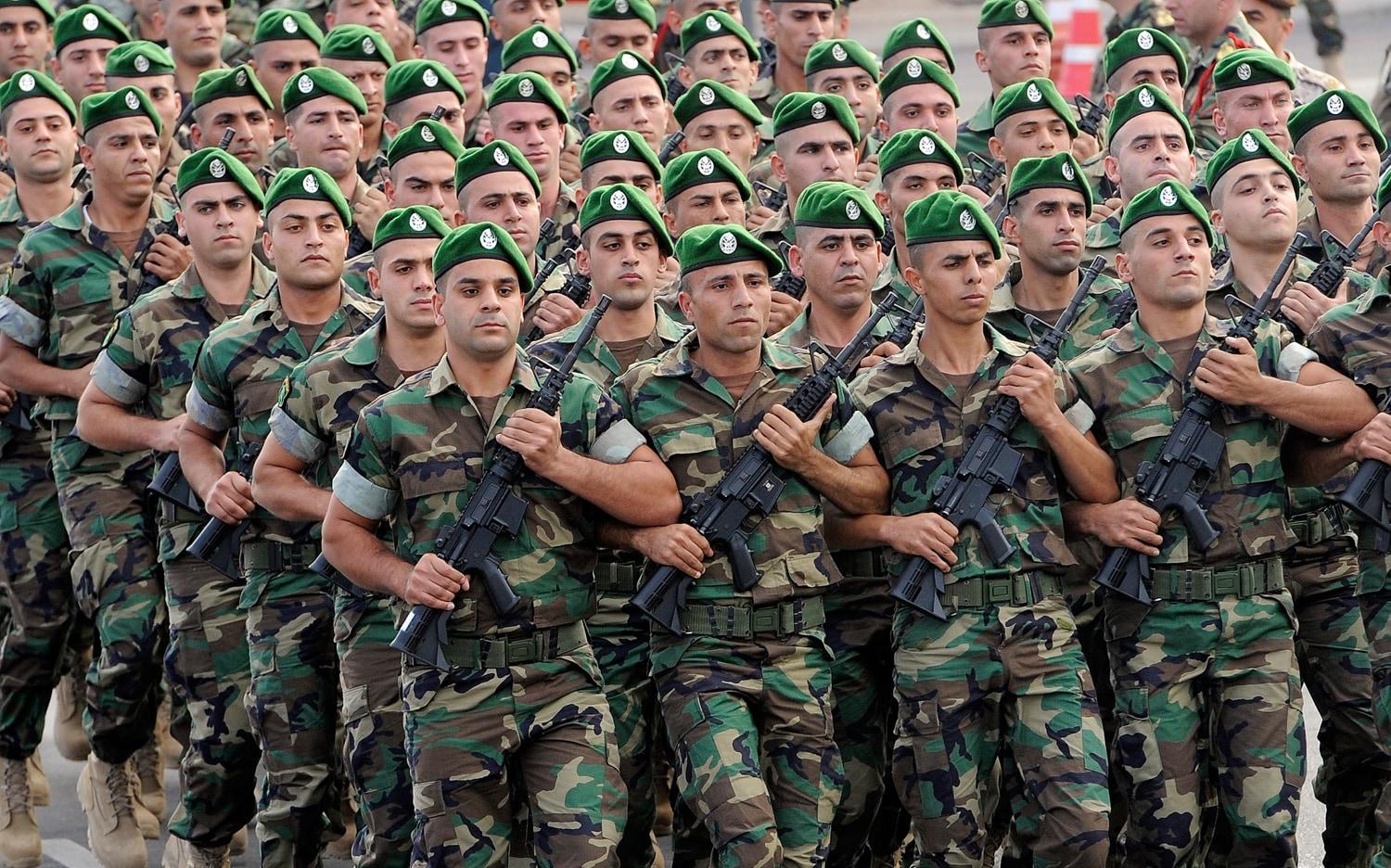
In the wake of escalating violence in Syria’s Sweida region, the Lebanese army has issued a stark warning regarding potential security crackdowns along its border. This development comes as tensions flare in the southwestern Syrian province, which has seen increased clashes between government forces and various factions, raising concerns about spillover effects into neighboring Lebanon. As the situation continues to evolve, authorities are bracing for the implications of these clashes on regional stability, particularly amidst Lebanon’s own ongoing struggles with security and political turmoil. This article explores the latest developments in Sweida,the Lebanese army’s response,and the broader impact on both countries as they navigate a complex and precarious geopolitical landscape.
Lebanese Army Issues Alert Amid Rising Tensions from Sweida Clashes
The escalating violence in Syria’s Sweida region is reverberating across borders, prompting the Lebanese army to issue a precautionary alert aimed at safeguarding national security. Following reports of intense clashes, the military has heightened its surveillance along the shared border with Syria. The Lebanese Armed Forces are preparing for potential spillover effects of the ongoing unrest, which could pose a direct threat to Lebanon’s stability. Local authorities have been advised to remain vigilant and to increase their readiness to respond to possible repercussions from the escalating situation. Important measures include enhancing security around key installations and increasing patrols in strategic areas.
Community leaders and local news outlets have reported a surge in tensions, with fears growing over the humanitarian implications of the conflict. Residents along the border are urged to stay informed and adhere to the following guidelines:
- Stay updated: Follow credible news sources for the latest developments.
- Avoid border areas: Minimize travel near the Lebanese-Syrian border.
- Report suspicious activity: Alert authorities about any unusual gatherings or movements.
To address these concerns, meetings between Lebanese security officials and their Syrian counterparts are expected to take place, laying the groundwork for cooperation in tackling the root causes of the unrest. The situation remains fluid, and the collective hope is for a de-escalation that prioritizes the safety of all citizens both in Lebanon and in Syria.
Impact of Security Crackdown on Civilian Life and Stability in Lebanon
As tensions rise in the region following the clashes in Syria’s Sweida, the Lebanese army’s proclamation of a security crackdown has sent ripples through civilian life. The implications of such measures can have profound effects on the daily routines of Lebanese citizens. Communities that have already been struggling with economic instability and increasing violence now face heightened security checks and a palpable sense of fear. Reports of harassment, arbitrary arrests, and checkpoints have begun to surface, creating an atmosphere of distrust between the local population and the security forces. This crackdown may be aimed at asserting control, but it risks exacerbating resentment among civilians who feel increasingly marginalized and targeted by these measures.
The stability of Lebanon’s already fragile social fabric is under serious threat as the military focuses on maintaining order amidst turmoil. Basic civil rights may inadvertently be compromised in the name of security, leading to a cycle of unrest where the populace becomes disillusioned with the authorities.The potential fallout from this situation includes:
- Increased protests and civil disobedience – Citizens may mobilize against perceived oppression.
- Economic setbacks – Businesses may be adversely affected by disruptions in movement and trade.
- Social fragmentation – Divisions between different community groups could widen, leading to a loss of trust.
To better understand the stakes involved, the following table highlights key factors influencing civilian life under a crackdown:
| Factor | Impact |
|---|---|
| Security Checks | Increased delays and sense of threat |
| Community Relations | Deterioration of trust in authorities |
| Violent Incidents | Risk of escalation and retaliation |
| Economic Activity | Decline in investments and consumer confidence |
Recommendations for Regional Cooperation to Address Border Security Challenges
Considering the recent security disturbances linked to the ongoing clashes in Syria’s Sweida, the imperative for enhanced regional cooperation on border security becomes increasingly apparent. Countries sharing borders with conflict zones must prioritize joint intelligence-sharing mechanisms to effectively monitor movements across these sensitive areas. Establishing multilateral dialog platforms can facilitate the exchange of best practices and experiences, ultimately fostering trust among regional actors. Collaborative efforts may also include joint training exercises for border control agencies to better prepare for and respond to potential security threats stemming from these conflicts.
Moreover, it is essential to address the underlying social and economic factors contributing to instability along borders. Implementing community development programs can definitely help reduce the allure of extremist factions and promote regional stability. Additionally, enhancing infrastructure at border checkpoints through upgraded technology and personnel can manage cross-border flows more efficiently, reducing opportunities for illicit activities. A coordinated approach involving border patrol initiatives, economic collaborations, and local engagement will be crucial in preventing the spillover of conflict and ensuring safer borders for all involved nations.
The Conclusion
the Lebanese army’s warning of a potential security crackdown following the recent clashes in Syria’s Sweida underscores the intricate and evolving dynamics of regional stability. The escalation of violence in neighboring Syria poses important implications for Lebanon, which is already grappling with its own political and economic challenges. As authorities respond to these developments, it remains crucial for both local and international stakeholders to monitor the situation closely. The delicate balance of power within the region continues to be tested, and the need for comprehensive solutions to ensure peace and security has never been more urgent. As events unfold, the international community must remain engaged to support Lebanon and its efforts to navigate these complexities, fostering stability in an increasingly volatile landscape.










