
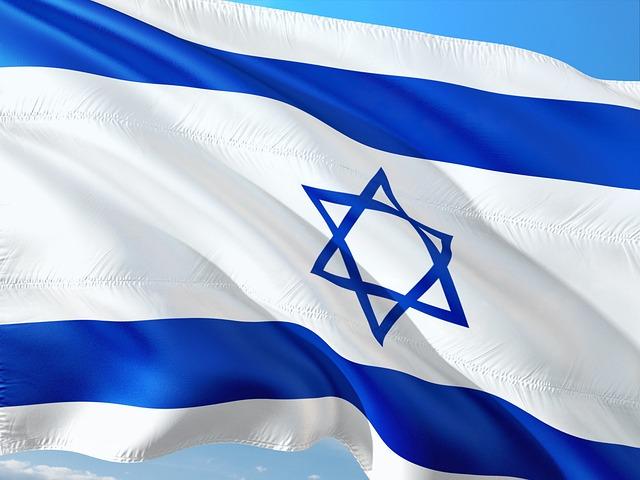
In a significant diplomatic development, Israeli Prime Minister Benjamin Netanyahu announced that Israel officially recognizes Somaliland as an independent state, marking a noteworthy shift in international relations within the Horn of Africa. This announcement comes amid growing recognition of Somaliland’s self-declared sovereignty, which has been embraced by various nations and entities over the years but has yet to receive widespread international validation. As Ethiopia and Somalia navigate their complex political landscapes, this recognition by Israel could have far-reaching implications for regional stability, trade relations, and geopolitical alliances. In this article, we explore the background of Somaliland’s quest for international legitimacy, the implications of Israel’s endorsement, and the potential impact on the region’s political dynamics.
Israel’s Historic Recognition of Somaliland: Implications for Regional Politics
The recent announcement by Israel recognizing Somaliland as an independent state marks a pivotal moment in the Horn of Africa’s geopolitical landscape. This recognition could act as a catalyst for changes in diplomatic alliances and economic partnerships in the region. Notably, Israel’s support may embolden Somaliland’s quest for international recognition, which has struggled for decades against opposition from Somalia, its neighbor. The implications of this move extend beyond Somaliland alone; they may influence neighboring countries’ policies and their own international relations, laying the groundwork for potential shifts in alliances and territorial claims.
Moreover, the endorsement from Israel is likely to attract attention from other nations, prompting discussions around regional stability and cooperation. Key considerations include:
- Economic Opportunities: Israel’s advanced technology and agricultural innovations could lead to collaborative projects, boosting Somaliland’s economy.
- Security Dynamics: Increased military collaboration may arise as both nations confront shared threats, such as piracy and regional instability.
- International Relations: This development may pressurize other nations to reevaluate their stances towards Somaliland, potentially shifting diplomatic paradigms.
To concretely illustrate the geopolitical landscape, the table below outlines the potential effects of Israel’s recognition of Somaliland:
| Effect | Speculation/Outcome |
|---|---|
| Increased Investment | Attracts global investors seeking stable environments. |
| Shifting Alliances | Encourages regional powers to reconsider their diplomatic engagements. |
| Heightened Tensions | Potential backlash from the Somali central government. |
Analyzing the Strategic Partnership Between Israel and Somaliland
The recognition of Somaliland by Israel marks a significant step in diplomatic relations within the Horn of Africa and beyond. This evolving partnership is framed by various strategic interests that both nations seek to capitalize on. Key factors contributing to this alliance include:
- Geopolitical Significance: Somaliland’s location provides Israel with increased access to the strategically important Red Sea, enhancing maritime security.
- Security Cooperation: Both regions face common threats, including terrorism and regional instability, creating opportunities for security collaboration.
- Economic Ties: Israel’s technological advancements could support Somaliland’s development, particularly in sectors like agriculture and telecommunications.
This new recognition and partnership come amid Israel’s broader strategy of strengthening ties with African nations. As seen in a recent diplomatic forum, Israel aims to enhance its influence in Africa, presenting itself as a viable partner for development. The implications of this recognition extend beyond mere diplomatic niceties, impacting trade, investment, and regional politics:
| Aspect | Israel’s Interests | Somaliland’s Interests |
|---|---|---|
| Trade | Access to new markets | Export opportunities for local products |
| Security | Counter-terrorism initiatives | Support for local defense forces |
| Technology | Investment in startups | Development of infrastructure |
Steps Toward Strengthening International Support for Somaliland’s Sovereignty
The recent recognition of Somaliland by Israel marks a significant turning point in the quest for the region’s sovereignty. As discussions around governance and independence unfold, it becomes imperative to focus on actions that can fortify international support for Somaliland’s aspirations. Building diplomatic ties with countries that already recognize its autonomy can enhance the credibility of Somaliland on the world stage. Moreover, engaging multilateral institutions to advocate for recognition can create a cooperative framework that encourages other nations to follow suit. This can be achieved through:
- Strengthened Diplomatic Engagement: Active participation in international forums and bilateral discussions with supportive nations.
- Strategic Advocacy Campaigns: Utilizing social media and other platforms to raise awareness about Somaliland’s unique situation.
- Cultural Exchanges: Promoting Somaliland’s rich heritage and people through cultural diplomacy to foster goodwill.
In this evolving landscape, it’s also essential to establish economic partnerships that underscore Somaliland’s viability as a sovereign entity. Initiating direct talks with potential investors and development partners can create a robust economic foundation. Establishing trade agreements and fostering investment opportunities not only showcases Somaliland’s potential but also emphasizes the importance of stability and governance. A coordinated effort should focus on:
| Strategy | Description |
|---|---|
| Investment in Infrastructure | Creating a conducive environment for foreign investment by enhancing transport and communication networks. |
| Promotion of Trade | Encouraging exportation of local goods to international markets to boost the economy. |
Insights and Conclusions
In conclusion, Israel’s recognition of Somaliland as an independent state marks a significant shift in international relations within the Horn of Africa. This development, articulated by Prime Minister Benjamin Netanyahu, not only highlights the growing diplomatic engagement between Israel and African nations but also raises questions about the future of Somaliland’s quest for international legitimacy. As both regions navigate complex geopolitical landscapes, the implications of this recognition could resonate beyond diplomatic ties, potentially influencing the broader dynamics of recognition and sovereignty in the region. Observers will be keenly watching how this relationship evolves and what impact it may have on Somaliland, its neighbors, and the international community at large.










