
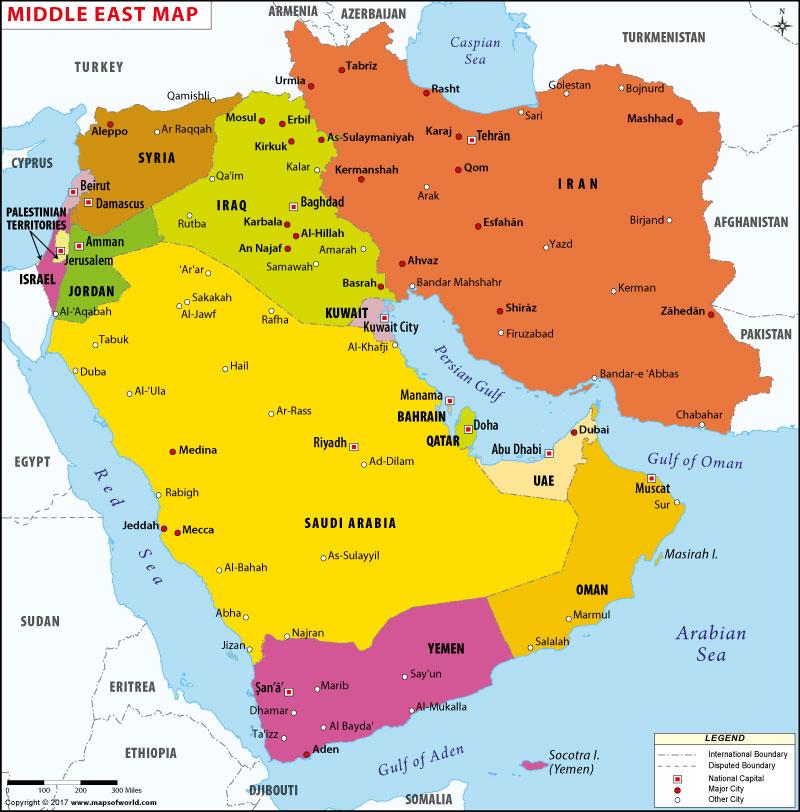
Title: Navigating the Future of Stability in the Middle East: An In-Depth Examination
The persistent geopolitical strife in the Middle East prompts critical inquiries regarding the region’s future stability. Renowned for its deep historical roots and strategic importance, this area has consistently been a focal point of international diplomacy, marked by conflicts, alliances, and shifting power dynamics. Recent developments-including diplomatic progress, ongoing hostilities, and external influences-further complicate efforts to attain lasting peace. This article investigates various factors that influence the current state of affairs in the Middle East, assesses barriers to sustainable solutions, and considers potential pathways toward a more stable and prosperous future. By thoroughly analyzing political, social, and economic dimensions, we aim to shed light on the intricate challenges facing this pivotal region.
Understanding Factors Influencing Peace in the Middle East
The quest for stability within this region is shaped by a multitude of interconnected elements spanning economic conditions, socio-political dynamics, and cultural contexts. Economic development is crucial for nurturing peace; nations burdened with poverty and high unemployment are often vulnerable to unrest. Investments focused on enhancing infrastructure projects, generating employment opportunities, and fostering trade relations can create a more secure environment. Moreover, regional collaboration is vital for addressing common threats as well as shared aspirations among neighboring countries. Initiatives such as trade agreements or joint security operations can forge interdependencies that significantly reduce conflict risks.
Diplomatic engagement also plays an essential role in navigating complex alliances and rivalries inherent to this region. Countries that once faced isolation are increasingly acknowledging that dialogue can yield more favorable outcomes than aggression or hostility. Additionally, external influences, particularly from major global powers like China or Russia compared to traditional Western allies such as the U.S., must be carefully evaluated; while some foreign interventions have exacerbated instability elsewhere (e.g., Syria), others have facilitated breakthroughs through international mediation efforts.
The Importance of Regional Alliances for Security Enhancement
The formation of regional alliances has become increasingly crucial for addressing security challenges while fostering cooperation among diverse nations within the Middle East. These coalitions enable member states to effectively pool resources and share intelligence against common threats like terrorism or cyber warfare incidents arising from global geopolitical tensions.
Through mechanisms such as joint military exercises, organizations like Gulf Cooperation Council (GCC) not only bolster regional security frameworks but also promote economic partnerships among their members.
Furthermore these alliances serve significant functions beyond mere defense-they act as platforms facilitating dialogue aimed at conflict resolution which helps mitigate disputes before they escalate into violence.
By engaging collectively through multilateral discussions on pressing issues-including resource management strategies-the likelihood increases that nations will find common ground without resorting unilateral actions likely provoke additional instability down line.
As geopolitical dynamics evolve over time effectiveness these partnerships will depend largely upon adaptability responding new challenges emerging across borders.
| Name of Alliance | Main Focus Areas | Key Initiatives Implemented |
|---|---|---|
| Gulf Cooperation Council (GCC) | Economic & Military Collaboration | Cohesive Defense Exercises |
| Arab League < td >Cultural & Political Unity < td >Diplomatic Resolutions Initiatives < tr >< td >Organization Islamic Cooperation OIC | Support Member States< /t d >< t d >Crisis Response Teams< /t d > |










