
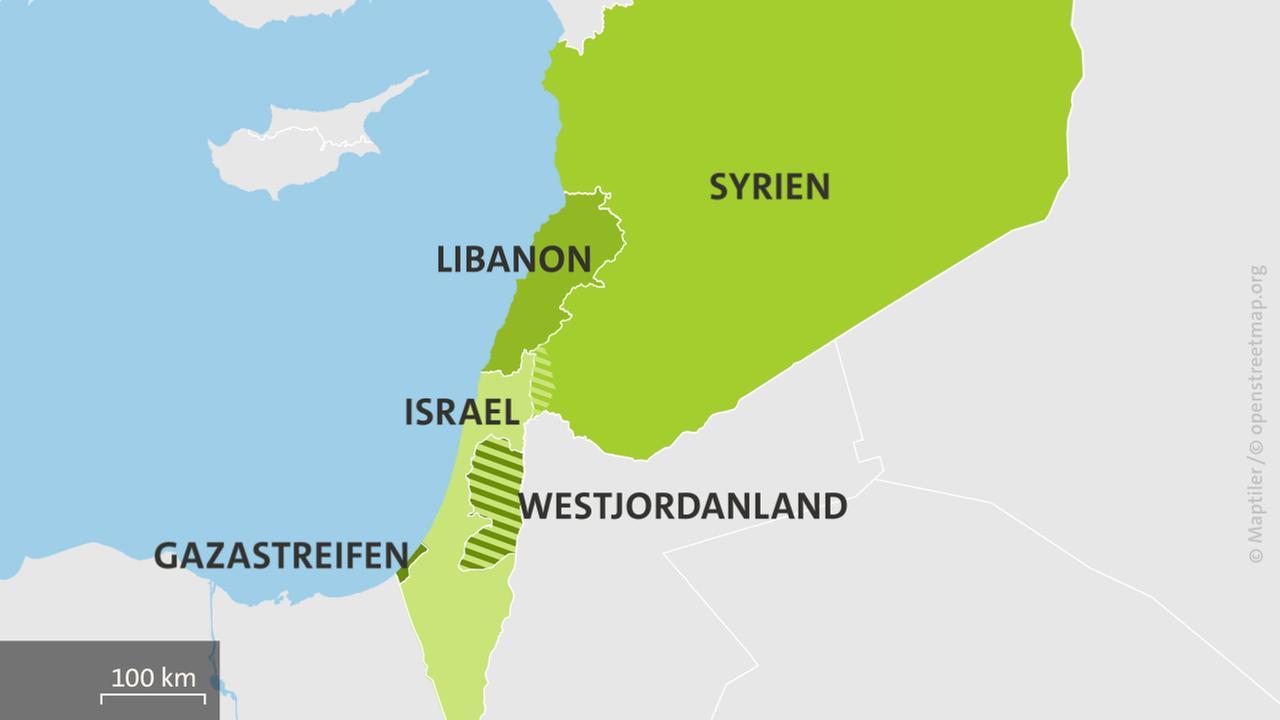
In recent years, Israel has emerged as a formidable force in the Middle East, shaping regional dynamics in ways that are both profound and controversial. With its military prowess, technological advancements, and increasingly assertive foreign policy, the nation is not only redefining its own borders but also influencing the geopolitical landscape of its neighbors. As Israel pursues an agenda that often appears unrestrained by customary diplomatic constraints,it has sparked a complex interplay of alliances and rivalries that are reshaping the contours of the region. This article will explore how Israel’s actions, from its military operations to its strategic partnerships, are fostering a new era in Middle Eastern politics, challenging established norms, and prompting responses from both allies and adversaries alike. In this unfolding narrative, the implications for stability, security, and peace in the region remain critical for understanding the future of the Middle East.
Israel’s Assertive Foreign Policy and Its Regional Implications
In recent years, Israel has adopted an increasingly assertive foreign policy that challenges the traditional dynamics of the Middle East. this shift is characterized by a focus on strategic alliances, military interventions, and diplomatic maneuvers that prioritize national security and regional influence. Key elements of this assertiveness include:
- Strengthening of Alliances: israel has forged robust relationships with nations such as the United Arab Emirates and Bahrain, redefining Arab-Israeli relations and creating a coalition that prioritizes mutual interests over historical grievances.
- Military operations: Targeted airstrikes and intelligence operations in countries like Syria and Iran indicate a willingness to take pre-emptive action against perceived threats, further complicating the regional security landscape.
- Technological Diplomacy: Leveraging its advancements in cybersecurity and military technology,Israel is positioning itself as a critical partner for countries looking to bolster their defense capabilities.
This bold approach has significant implications for regional stability and power dynamics. The following table outlines some of the potential consequences:
| Impact | Region | Potential Responses |
|---|---|---|
| Increased Tensions | Levant | Military buildup and retaliatory actions from adversaries |
| Shift in Alliances | Gulf States | Formation of new coalitions,possibly alienating traditional allies |
| Wider Conflict Risk | Iran | expansion of proxy wars and destabilization efforts |
As policymakers and analysts observe these developments,it becomes clear that Israel’s unrestrained posture is not merely a reaction to external threats but part of a strategic recalibration that could reshape the Middle Eastern geopolitical landscape for years to come.
The Shifting Alliances in the Middle East Landscape
The recent geopolitical shifts in the Middle East unveil a complex tapestry of alliances that are being redefined under the influence of an assertive Israel. With its increasing military and economic clout, Israel is not only bolstering its traditional partnerships but also forging new ones to navigate the turbulent waters of regional politics. The implications of these developments extend beyond bilateral ties, influencing broader coalitional strategies among nations that share historical animosities or mutual interests.The intertwining of shared concerns over Iran, energy partnerships, and security collaborations is laying the groundwork for an unprecedented alignment of forces that could reshape the regional dynamics.
the changing landscape poses a significant challenge to established powers, rewriting the criteria of diplomacy in the region. Countries that once stood firmly against Israel are now contemplating their stance, driven by economic necessities or security considerations. Elements at play include:
- The normalization of relations: Countries like the UAE and Bahrain have taken steps towards official ties, signaling a pragmatic approach to diplomacy.
- Energy dependencies: As global energy needs shift,Israel’s role as a gas supplier has grown,making its partnerships more valuable.
- Countering Iranian influence: Nations see Israel as a strategic ally in curbing tehran’s regional ambitions.
Furthermore, the ramifications of these evolving alliances can be reflected in the evolving power dynamics among regional players. The table below illustrates key actors and their respective positions:
| Country | Relation with Israel | Main Interests |
|---|---|---|
| Saudi Arabia | informal partnership | Energy security, Iranian containment |
| United Arab Emirates | Formal normalization | Trade, technology exchange |
| Egypt | Historic peace treaty | Military cooperation, economic aid |
| Iran | Adversarial | Regional dominance, counter-Israel strategy |
Strategies for Diplomatic Balance Amidst Rising Tensions
As the geopolitical landscape in the Middle East shifts, maintaining diplomatic equilibrium becomes vital for regional and global stakeholders responding to Israel’s assertiveness. key strategies to foster this balance involve engaging in multilateral diplomacy and promoting inclusive dialog mechanisms that allow for diverse perspectives. Countries must prioritize long-term strategic partnerships over immediate tactical alliances, understanding that sustained relationships can help mitigate tensions. Moreover, fostering economic interdependence through trade initiatives can reduce hostility and promote cooperation, encouraging nations to view each other as partners rather than adversaries.
Furthermore, the adoption of confidence-building measures plays a crucial role in easing fear and suspicion among parties involved. This could include establishing hotlines for crisis communication, joint cultural exchanges, or collaborative security initiatives that emphasize common ground. International organizations should take an active role in mediating discussions and creating platforms for dialogue, ensuring that marginalized voices are included in decision-making processes. Ultimately, a concerted effort to balance power dynamics through diplomacy, dialogue, and progress will be essential in addressing the challenges posed by an assertive Israeli policy in a rapidly evolving Middle Eastern context.
In Summary
the evolving dynamics of the Middle East are increasingly influenced by an unrestrained Israel, whose assertive actions and policies are reshaping the regional landscape. As Israel continues to expand its geopolitical reach, the ramifications are felt not only by neighboring nations but also by the broader international community. The interplay of military strength, diplomatic maneuvers, and shifting alliances paints a complex picture of the future, where traditional power balances are challenged, and long-standing conflicts may take on new dimensions. Observers and policymakers alike must remain vigilant as these developments unfold, recognizing that the implications of an assertive Israel extend far beyond its borders, shaping the contours of Middle Eastern politics in profound and lasting ways.










