The Ascendancy of Gulf Nations as Middle Powers: Navigating New Geopolitical Landscapes
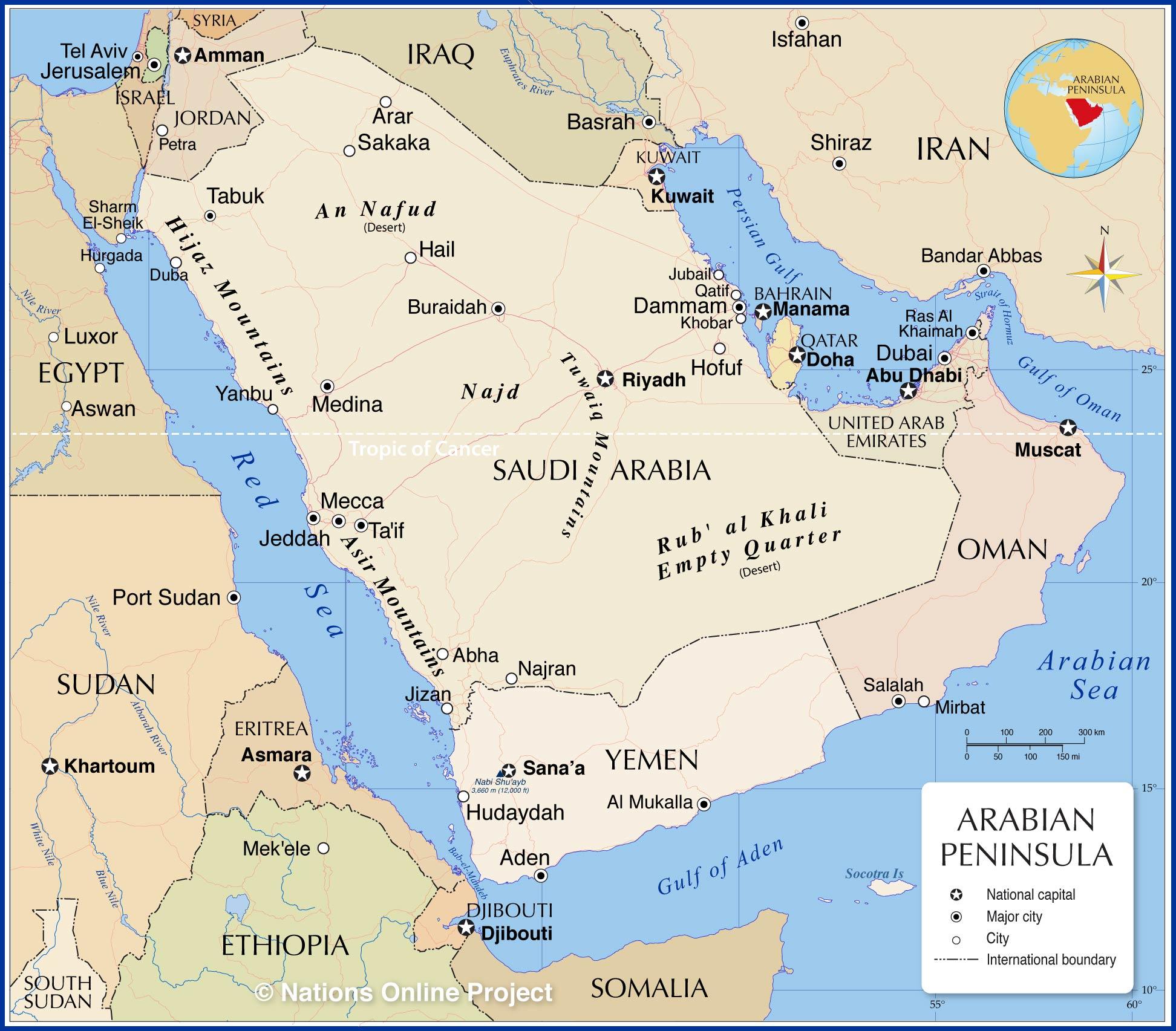
In recent years,the Gulf nations have emerged as significant players on the international stage,evolving from their conventional roles as mere energy suppliers. With considerable financial resources, strategic geographic positions, and a forward-thinking vision for their futures, countries such as Saudi Arabia, the United Arab Emirates (UAE), and Qatar are redefining their foreign policies to enhance their influence as middle powers. This transformation is not merely a result of vast oil reserves; it represents a calculated response to shifting global dynamics, an ambition for greater regional stability, and an intention to cultivate peace and partnerships that extend beyond national borders. As they navigate the complexities of a multipolar world order, these nations are employing diplomacy, soft power strategies, and military advancements to protect their interests while asserting themselves in an interconnected global arena. This article delves into the motivations behind this assertive posture, the challenges faced along this journey, and its implications for global geopolitics as Gulf states carve out more prominent roles in international relations.
Strategic Objectives of Gulf Nations in a Changing Global Scenario
The Gulf states are adeptly navigating a complex international landscape marked by shifting power dynamics and emerging economic realities.As they rise on this stage as influential middle powers,these countries leverage both strategic advantages and resources to exert greater sway over global affairs. Their proactive approaches include forging new alliances with major world players while reinforcing ties with regional partners; enhancing diplomatic outreach; and expanding economic clout. The primary objectives driving this evolution encompass:
- Diversification of Economies: Reducing reliance on oil by investing in sectors like technological innovation, tourism growth initiatives, and renewable energy projects.
- Building Strategic Alliances: Cultivating relationships with emerging powers while maintaining strong connections with established allies such as the U.S.and European Union.
- Cultural Diplomacy Initiatives: Leveraging cultural events like sports competitions or international fairs to elevate global standing.
- Investments in Security: Upgrading military capabilities through advanced technology acquisitions alongside counter-terrorism efforts aimed at bolstering regional security.
The ambitious aspirations set forth by these nations have led them to launch various initiatives that underscore their evolving status globally. For example:
| Country | Initiative | Main Focus Area |
|---|---|---|
| Saudi Arabia | Vision 2030 Initiative | Economic Diversification |
| UAE | < td >Expo 2020 Event < td >Cultural Engagement||
Blending Soft Power with Military Capabilities for Regional Influence
The Gulf states have skillfully positioned themselves within global dynamics by demonstrating that regional authority derives not only from military strength but also significantly from soft power progress. By investing in cultural diplomacy initiatives-such as educational exchanges-and fostering international collaborations these nations extend their influence beyond conventional political frameworks. Strategic use of media platforms alongside cultural interactions has helped shape narratives portraying them as progressive hubs of innovation that challenge negative stereotypes while promoting positive perceptions worldwide.
This focus on soft power does not diminish recognition among leaders within these countries regarding essential military capabilities necessary for ensuring security amid regions prone to conflict or instability.They have made substantial investments aimed at modernizing armed forces through high-tech acquisitions.This dual strategy empowers them not only via diplomatic channels but also enables them to project strength when necessary.The balanced approach across both domains positions these states effectively within intricate geopolitical landscapes.
Navigating Complex Alliances: Strategies for Effective Diplomacy
Navigating intricate networks formed around alliances requires stakeholders within Gulf Nations prioritize robust communication practices coupled with trust-building mechanisms.Regular dialog forums can mitigate misunderstandings whilst fostering collaborative efforts.Additionally encouraging informal dialogues-known colloquially as Track II diplomacy-can bridge gaps often left unaddressed during formal negotiations.This grassroots approach facilitates mutual understanding across diverse perspectives leading towards nuanced policy development.Key recommendations include:
- Create ongoing diplomatic discussions focused on mutual engagement opportunities.
- Sponsor cultural exchange programs designed specifically aimed at building rapport among citizens across borders..< / li >
- Pursue joint economic ventures which promote interdependence between participating countries.
.< / li >
p align= “justify” style= “text-align: justify;”
In line with evolving geopolitical trends,Gulf Nations should emphasize multilateralism further solidifying middle-power status.Active participation within international organizations amplifies voices heard globally providing frameworks conducive towards collaborative problem-solving.Qatar & UAE frequently recognized mediators should expand roles addressing conflicts regionally.Forming coalitions tackling pressing issues like climate change & terrorism enhances overall influence.Below outlines potential areas ripe for strengthened multilateral partnerships:
| Partnership Area .< / th > | Potential Leading Countries .< / th > |
|---|---|
| Counter-Terrorism .< / td >< | Saudi Arabia,UAE .< / td > |
| Lasting Development .< / th >< | Kuwait,Qatar.< / th > |
| Climate Action . < / th >/ < / t d >/ < / t d /> Bahrain,Oman . . < / tbody /> . < / table /> . h2 id = “conclusion” In Conclusion The emergence of Gulf Nations into influential middle powers signifies notable shifts occurring throughout contemporary geopolitics driven largely through effective utilization wealth,diplomatic endeavors,military collaborations.The interplay between local aspirations & broader dynamics allows countries such Saudi Arabia,UAE,Qatar carve out meaningful positions impacting not just Middle East but wider geopolitical contexts.As they confront challenges including conflicts climate change complexities governing systems,their ongoing evolution will undoubtedly shape future diplomatic engagements.The ramifications stemming from rise extend far beyond mere statistics representing shifts balance influences warrant close scrutiny.As scholars policymakers alike assess opportunities presented new statuses,it becomes imperative recognize underlying complexities involved potential avenues collaboration tension amidst increasingly multipolar landscape. Flight 775: Unraveling the Heartbreaking Mystery Behind the Uganda Airlines TragedyOn March 24, 2023, a devastating tragedy struck as Uganda Airlines flight 775 tragically went down just moments after taking... Read moreDetails         |