
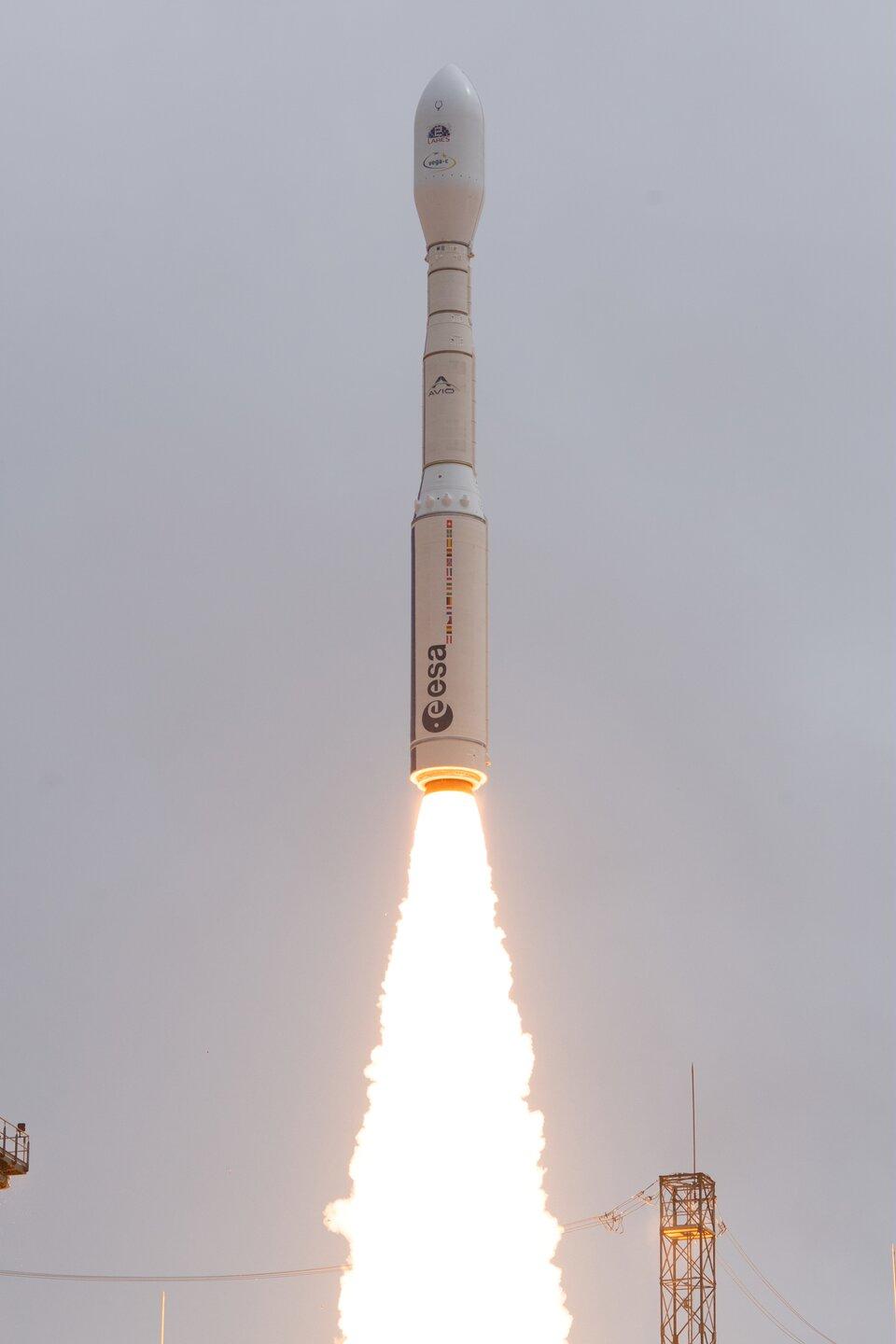
In a significant advancement for environmental monitoring, the European Space Agency (ESA) has successfully launched its Biomass satellite aboard the Vega-C rocket, which lifted off from the Guyana Space Center on a clear morning.This landmark mission aims to revolutionize our understanding of global forest biomass, providing critical data indispensable for climate change studies and lasting management of natural resources. As the frist satellite dedicated to measuring the planet’s forests from space, Biomass is poised to deliver unprecedented insights into carbon storage and forest health, marking a pivotal step in Europe’s commitment to tackling climate challenges.the event, captured in a impressive launch video, highlights the convergence of cutting-edge space technology and environmental stewardship in the modern era.
Vega-C Successfully Deploys Biomass Satellite for Enhanced Forest Monitoring
The successful launch of the biomass satellite aboard the Vega-C rocket marks a significant advancement in forest monitoring capabilities across Europe and beyond. This groundbreaking mission aims to provide unprecedented insights into carbon storage in forests, aiding in global climate change mitigation efforts.By utilizing advanced radar technology, Biomass will generate detailed maps of forest biomass, enabling scientists and researchers to improve understanding of forest ecosystems and their contributions to carbon cycles.
Key features of the Biomass satellite include:
- Advanced synthetic aperture Radar (SAR): Enables thorough assessment of forest structures.
- Global Coverage: Capable of monitoring forests on a worldwide scale.
- Data Integration: Will support various environmental and climate-related studies.
As part of the Earth Explorer program, the Biomass satellite is expected to contribute considerably to ongoing climate research initiatives. Its deployment will also enhance the collaboration among European Space Agency (ESA) member states, offering richer data for policymakers seeking effective environmental strategies.
Implications of the Biomass Mission for Climate Change and Environmental Research
The successful launch of the Biomass satellite marks a significant advancement in our understanding of earth’s carbon cycles and forest dynamics. This mission will enhance climate change models by providing precise data on forest biomass, enabling researchers to monitor carbon stocks accurately across the globe.Insights generated from this satellite are expected to lead to advancements in environmental policy, alongside informing strategies focused on biodiversity conservation and sustainable forestry management. By quantifying the amount of carbon stored in forests, the Biomass mission directly supports initiatives aimed at mitigating climate change impacts.
Furthermore, the implications of the Biomass satellite extend beyond just carbon measurement; it will also contribute to a wider array of environmental research endeavors. The satellite’s data will facilitate collaboration among scientists, governments, and conservationists, allowing for the development of more effective climate action frameworks. With advanced technological capabilities, Biomass will also offer insights into forest health and resilience, spawning initiatives that include:
- Forest conservation strategies aimed at protecting vulnerable ecosystems.
- Reforestation programs driven by accurate assessments of forest loss.
- Sustainable land use planning informed by up-to-date forest data.
Future Opportunities in Satellite Technology for Sustainable Forestry Solutions
The launch of the Biomass satellite marks a pivotal moment in enhancing our understanding of forest ecosystems through advanced satellite technology. With the ability to map forest biomass and carbon stocks with precision,this innovation opens the door to a variety of future opportunities. By harnessing synthetic aperture radar (SAR) technology, the satellite can gather critical data, enabling countries and organizations to better manage their forestry resources. This is essential for tracking deforestation rates and implementing sustainable forestry practices effectively. Such capabilities can lead to improved reforestation efforts and enhanced carbon offset strategies, ultimately contributing to global climate goals.
as the demand for sustainability in forestry increases, further advancements in satellite technology could transform how we monitor and protect our natural resources. Potential applications include:
- Real-time forest health assessments: Continuous monitoring of forest conditions enables quick response to threats such as wildfires, pest infestations, and climate impacts.
- Enhanced precision in resource allocation: Data-driven insights allow governments and NGOs to focus efforts on areas that require the most attention.
- Collaboration with local communities: Empowering these communities with satellite data can promote participation in sustainable forestry initiatives, ensuring their practices are factored into larger strategies.
In the coming years, we may also see new partnerships formed between satellite technology firms and environmental organizations to develop tailored solutions that can address region-specific challenges in forestry. By leveraging the technological breakthroughs exemplified by the Biomass satellite,the future of sustainable forestry could be brighter than ever.
To Wrap It Up
the successful launch of the European Biomass satellite aboard the Vega-C rocket marks a significant milestone in environmental monitoring and climate research. with its advanced radar technology, Biomass is poised to provide crucial data on forest biomass and carbon stocks, aiding in efforts to combat climate change and preserve global ecosystems. As Europe continues to invest in innovative space solutions, this mission exemplifies the vital role of satellite technology in addressing some of the most pressing challenges facing our planet. Stakeholders and scientists alike will be watching closely as Biomass begins its critical work in orbit, paving the way for a more comprehensive understanding of our forests and their impact on the Earth’s climate. Stay tuned for further updates on this groundbreaking initiative and its implications for environmental science and policy.










