INTRODUCTION
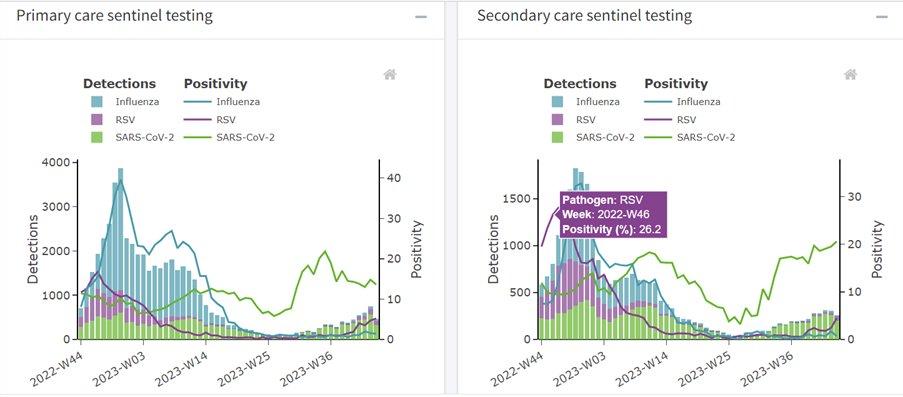
In a bid to bolster public health responses across Europe, the European Center for Disease Prevention and Control (ECDC) has unveiled the latest findings from the European Respiratory Virus Surveillance Summary (ERVISS). This extensive report provides critical insights into the prevalence and impact of respiratory viruses, including influenza and respiratory syncytial virus (RSV), especially in the wake of fluctuating infection rates seen post-pandemic. As winter approaches, health officials are urged to pay close attention to emerging trends that could influence healthcare systems and inform vaccination strategies. The ERVISS not only serves as a vital tool for policymakers and healthcare providers but also aims to enhance public awareness about the importance of respiratory health in mitigating the effects of seasonal outbreaks. With respiratory infections continuing to pose a serious threat to vulnerable populations, this report underscores the urgent need for collaboration and preparedness moving forward.
European Respiratory Virus Surveillance Summary Highlights Seasonal Trends and Emerging threats
The latest findings from the European Respiratory Virus Surveillance System (ERVISS) reveal meaningful seasonal trends in respiratory virus activity across Europe. Data collected from various surveillance networks indicate that respiratory syncytial virus (RSV) and influenza continue to exhibit predictable seasonal patterns, typically peaking during the winter months.As reported, this past season showed an early onset of RSV cases, with September to November marking a notable increase in hospital admissions among infants and young children. The trends underscore the importance of vigilant surveillance, especially as several countries prepare for potential influenza co-circulation this winter.
Emerging threats have also been highlighted in the report, raising alarms over the rise of novel strains.Surveillance has identified increased genetic diversity in circulating strains of both influenza and coronaviruses. Key observations include:
- Influenza A(H3N2) subtypes exhibiting mutations linked to increased transmissibility.
- Novel RSV strains potentially impacting vaccine efficacy.
- Other respiratory viruses showing higher-than-expected levels among certain population groups.
| Virus Type | Current Trends | Public Health Concern |
|---|---|---|
| RSV | Early peaks in young children | Hospital admissions on the rise |
| Influenza | Increased diversity in strains | Potential vaccine mismatch |
| Coronaviruses | Novel strains circulating | Surveillance for impact on COVID-19 |
Comprehensive Insights into Respiratory Virus transmission Patterns Across Europe
The latest findings from the European Respiratory Virus Surveillance Summary (ERVISS) present a detailed look at the intricate patterns of respiratory virus transmission across Europe.Researchers have identified several key factors that contribute to spikes in viral infections, including seasonality, population density, and healthcare readiness. Notably, major urban centers have reported a higher incidence of respiratory viruses, notably during the winter months. This pattern underscores the importance of tailored public health strategies and enhanced surveillance systems in densely populated areas, which can considerably mitigate the transmission of these viruses.
Along with demographic factors, the data reveals variations in transmission dynamics across different countries. Noteworthy observations include:
- Increased rates of influenza transmission in northern Europe compared to southern regions.
- Correlations between public health interventions,such as vaccination campaigns,and lower rates of viral spread.
- Emerging respiratory viruses like RSV demonstrating distinct transmission patterns,often peaking earlier in the fall months.
To visualize these trends, the following table summarizes key statistics from selected European countries during the last respiratory virus season:
| Country | Peak Month | Reported Cases (in thousands) | Vaccination Coverage (%) |
|---|---|---|---|
| France | January | 50 | 75 |
| Germany | February | 60 | 70 |
| Italy | December | 40 | 80 |
| Spain | March | 30 | 85 |
Strategic Recommendations for Strengthening Public Health Response and Surveillance Systems
To enhance the efficacy of public health responses and surveillance systems across Europe, several strategic recommendations are pivotal.First, strengthening inter-country collaboration is essential to ensure seamless sharing of data and resources.Establishing a centralized digital platform can facilitate real-time reporting of respiratory virus cases, fostering a cohesive approach to pandemic management. Additionally,investing in local health infrastructures,especially in underserved regions,will equip authorities with the tools necesary for early detection and response.
Training healthcare professionals in advanced surveillance techniques is another critical aspect.This involves regular workshops and simulation exercises to keep skillsets current and responsive to emerging threats. Furthermore, public engagement through awareness campaigns can improve compliance with health advisories and promote vaccination uptake.Such initiatives could include:
- Community health workshops to educate the population about respiratory viruses.
- online forums for sharing the latest health guidelines and research findings.
- Partnerships with local media to disseminate data swiftly and effectively.
| Strategy | Expected Outcome |
|---|---|
| Centralized Digital Platform | Real-time data sharing |
| Local Health Infrastructure Investment | Enhanced early detection |
| Healthcare Professional Training | improved response capabilities |
The Conclusion
the European Respiratory Virus Surveillance Summary (ERVISS), spearheaded by the European Centre for Disease Prevention and Control, underscores the critical importance of robust surveillance systems in managing respiratory viruses across Europe. As respiratory illnesses pose a significant threat to public health,understanding the patterns and trends documented in the ERVISS is essential for informing policy decisions and health responses. By providing timely and comprehensive data, the ERVISS plays a pivotal role in enhancing preparedness and resilience against respiratory outbreaks. As the continent continues to navigate the complexities of viral threats, ongoing collaboration and shared knowlege among European nations will be vital in safeguarding the health of populations and mitigating the impacts of future respiratory virus surges. The ERVISS stands as a crucial tool in this ongoing effort, reminding us that vigilance and cooperation are key in the fight against infectious diseases. Stay informed, stay healthy, and continue to monitor developments in respiratory virus trends across Europe.