
Transformative Decision on Voting Rights for Incarcerated Individuals in the UK
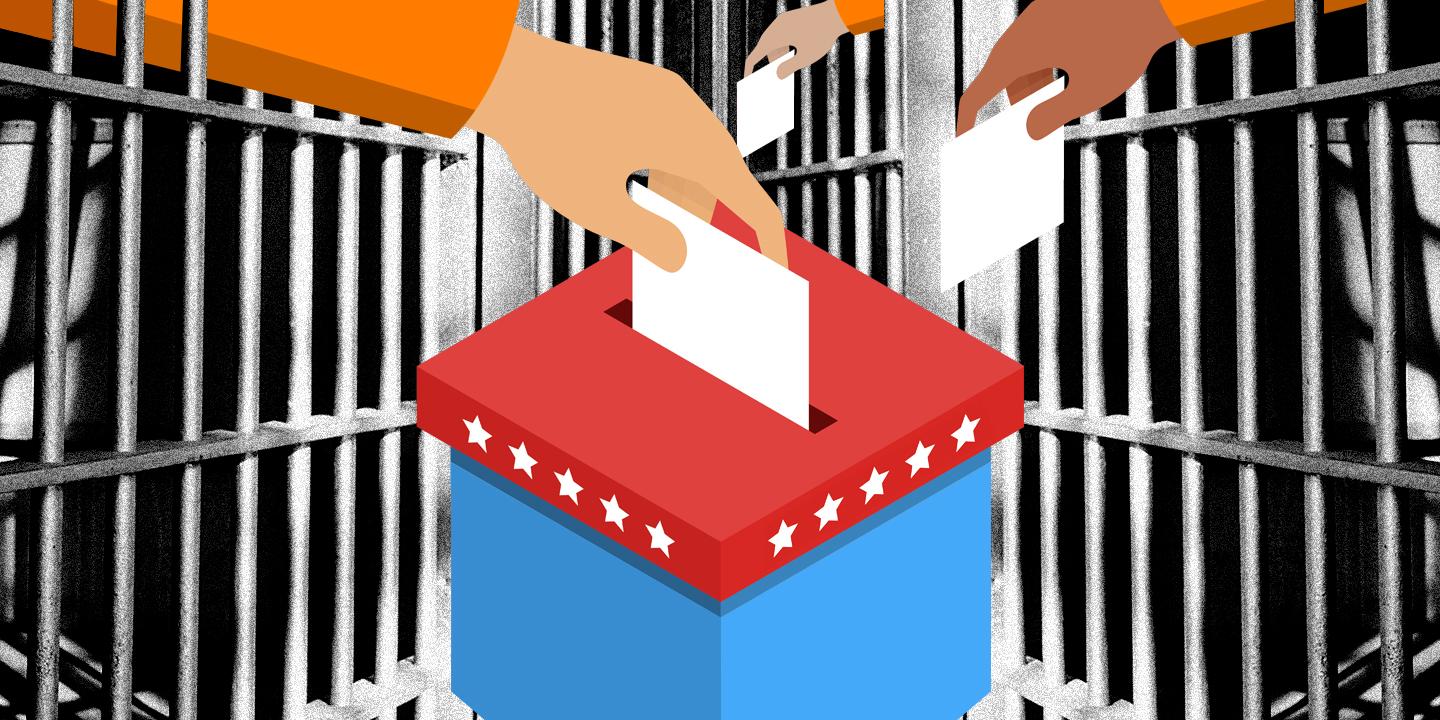
A landmark ruling from the European Court of Human Rights (ECHR) has favored the applicant in the case of Hora v. the United Kingdom, challenging the longstanding ban on voting for prisoners in Britain. This verdict highlights a crucial tension between national sovereignty and global human rights obligations, while also sparking essential discussions about electoral rights for those behind bars. The timing of this ruling is particularly significant as it aligns with intensified debates regarding reforms within criminal justice systems and how society reconciles punishment with rehabilitation efforts. As Britain reflects on this decision’s implications, conversations surrounding human rights, democratic participation, and international law’s impact on domestic legislation are anticipated to evolve considerably.
Strasbourg Court’s Verdict on Prisoner Voting Rights
The ECHR’s recent judgment in Hora v. the United Kingdom has sparked renewed dialogue about Britain’s enduring prohibition against prisoner voting. The court asserted that suffrage is a fundamental human right and called for a reassessment of existing policies that have largely excluded incarcerated individuals from participating in democratic processes. This ruling suggests that disenfranchising prisoners may infringe upon their rights under Article 3 of Protocol No. 1 of the European Convention on Human Rights, which guarantees citizens’ entitlement to free elections.
Legal experts are advocating for a comprehensive review of electoral laws within the UK that have historically maintained this ban. Potential outcomes from this court decision could lead to more inclusive voting regulations allowing specific categories of prisoners to regain their voting rights. Among several critical points raised by the court are:
- The significance of rehabilitative justice: Engaging prisoners in elections may aid their reintegration into society.
- Adherence to European human rights standards: Ensuring compliance with international legal commitments.
- Civic responsibility enhancement: Granting voting privileges could foster inmates’ sense of accountability towards democracy.
Effects of Hora Case on Human Rights Landscape in Britain
The outcome from Hora carries profound implications for Britain’s human rights landscape, especially at its intersection with electoral engagement and standards concerning prisoner treatment. The ECHR highlighted that UK’s blanket prohibition contravenes principles established by guidelines set forth by European Convention on Human Rights-this judgment not only critiques current legislation but also challenges a legal framework denying part of its population fundamental electoral participation rights. Critics argue such disenfranchisement undermines democracy; however, proponents contend it establishes necessary boundaries related to justice and public safety concerns.
This ruling compels UK lawmakers to address issues surrounding “negative” versus “positive” rights frameworks, focusing on prisoner enfranchisement versus exclusionary practices based solely upon incarceration status-emphasizing inclusivity over marginalization instead.
Policymakers should consider key areas such as:
- A thorough legislative evaluation: An assessment aimed at revising laws governing prisoner voting privileges.
- Evolving electoral frameworks: Exploring methods enabling safe inclusion mechanisms within prison populations during elections.
- Nurturing public discourse: Encouraging discussions around ethical responsibilities inherent within democratic societies regarding all citizens’ involvement regardless their circumstances.
Promoting Legislative Reforms: Aligning With European Standards
The recent ECHR decision regarding Britain’s ban against prisoner voting has revitalized discussions about aligning national practices with broader European norms focused specifically on protecting human dignity through access points like suffrage itself.
Legal professionals alongside advocates now call for immediate reforms addressing gaps present within current approaches taken by British authorities when considering these vital aspects affecting civic engagement among all citizens-including those incarcerated.
This historic ruling underscores an urgent need to harmonize domestic statutes alongside international obligations emphasizing equal access across various demographics irrespective incarceration status or other factors influencing eligibility criteria traditionally applied locally!
- A comprehensive legislative reassessment: Conduct detailed evaluations focused explicitly upon existing regulations governing inmate voter eligibility criteria overall!
| Description Of Action Item | Description |
|---|---|
| Legislative Review | Assess current laws regarding inmate voter eligibility compliance according ECHR rulings . |
| Engagement With Stakeholders | Involve advocacy groups & public representatives during reform dialogues . |
| Monitoring Implementation Progression | <Establish frameworks overseeing incorporation processes related proposed reforms into law . |










