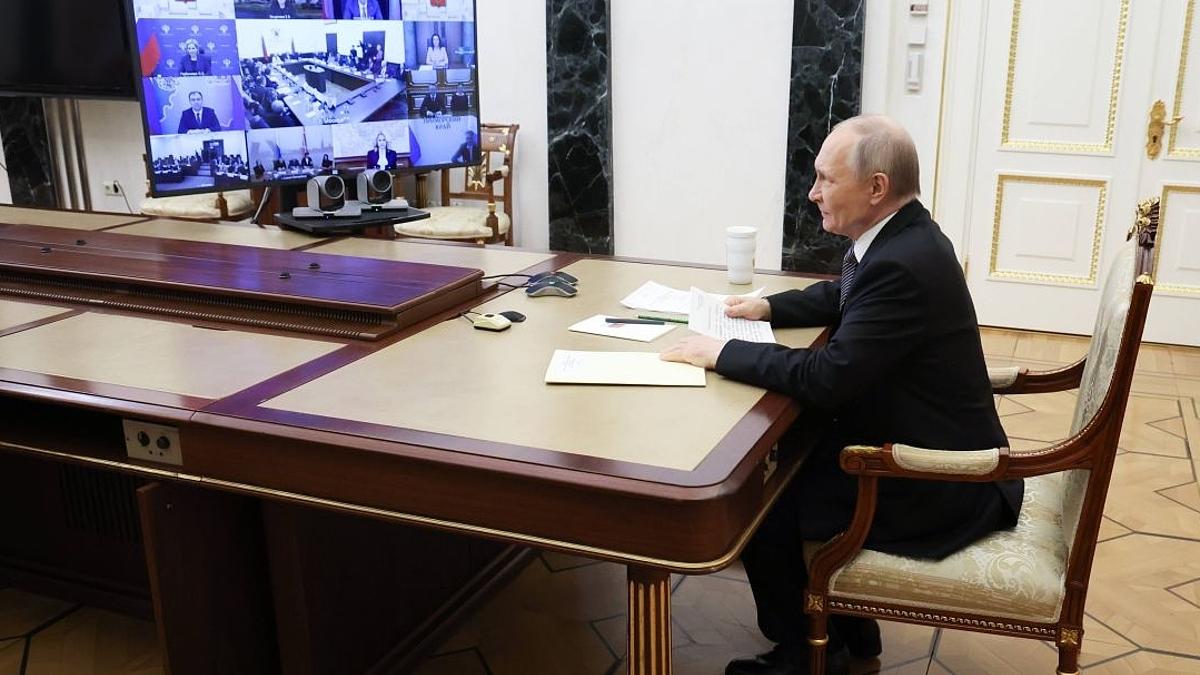
In a significant escalation of economic pressure against Russia amidst its ongoing military campaign, the United Kingdom has announced a comprehensive set of sanctions targeting the Russian oil industry. This decisive move aims to further cripple President Vladimir Putin’s war machine by cutting off vital revenue streams that fund his military operations. As tensions escalate in Eastern Europe, these sanctions could have far-reaching implications not only for Russia’s economy but also for global energy markets. The UK’s latest actions underscore its commitment to standing in solidarity with Ukraine and reflect a growing consensus among Western allies to take robust measures against Kremlin aggression. As the situation develops, the effectiveness of these sanctions will be closely monitored, with many experts weighing their potential impact on the battlefield and beyond.
Impact of UK Sanctions on Russian Oil Exports and the War Economy
The recent imposition of sanctions by the UK on Russian oil exports represents a significant setback for the Russian economy, particularly as it pertains to funding the ongoing military operations in Ukraine. These sanctions are designed to target key revenue streams that have allowed the Russian government to finance its military activities. The UK government has outlined a series of restrictive measures that include:
- Bans on Russian Oil Imports: These measures restrict the import of Russian oil, effectively cutting off a major source of revenue.
- Restrictions on Financial Transactions: UK firms are barred from providing financial services to Russian oil companies, complicating their ability to navigate international markets.
- Asset Freezes: Key individuals and companies involved in the oil sector face asset confiscation in the UK, diminishing their operational capacity.
As a result of these actions, Russian oil exports are expected to decline significantly, impacting the country’s already strained economy. The UK sanctions, in conjunction with similar international measures, are poised to lead to:
| Impact Area | Expected Outcome |
|---|---|
| Government Revenue | Reduction in financial support for military operations |
| Market Dynamics | Increased volatility and decreased bargaining power for Russia |
| International Relations | Strain on alliances with oil-dependent nations |
Such measures are not only instrumental in weakening the logistics of the conflict but also serve to rally international support against Russia’s actions. By collectively isolating Russia from key markets and suppliers, the UK and its allies aim to undermine the war economy and pressure the Kremlin to reconsider its aggressive stance.
Strategic Recommendations for Strengthening Global Energy Security
The recent UK sanctions on Russian oil mark a significant step in fortifying international energy security. In order to build on this momentum, countries must bolster their energy independence through a diversified approach. Emphasis should be placed on developing local renewable energy sources which not only reduce reliance on imported fuels but also mitigate vulnerabilities to geopolitical tensions. Key strategies include:
- Investing in renewable infrastructure to enhance energy production from solar, wind, and hydro sources.
- Promoting energy efficiency measures in industry and households to decrease overall consumption.
- Forming strategic energy alliances with diversification of supply chains to ensure stability and reduce risks.
Moreover, expanding research and development in alternative energy technologies could revolutionize the global energy landscape. Governments could incentivize businesses to innovate in storage solutions and hydrogen fuels, paving the way for a more resilient energy future. To track progress and coordinate efforts, an international consortium could be established to facilitate collaboration among nations. This forum could focus on:
| Focus Area | Key Actions |
|---|---|
| Renewable Technologies | Funding R&D initiatives and startup support |
| Energy Storage | Enhancing battery technology and grid modernization |
| Policy Framework | Creating incentives for clean energy investments |
Evaluating the Long-Term Consequences for Russia’s Military Funding
The recent sanctions imposed by the UK on Russian oil exports mark a significant turning point in Moscow’s military funding strategy. This bold move is likely to exacerbate the financial strain on the Kremlin, impacting its ability to sustain military operations. With oil revenues forming a substantial part of the Russian budget, the loss of access to Western markets could lead to several long-lasting repercussions for military investments. The following points outline potential consequences:
- Reduced Military Spending: As oil revenues decline, Russia may be forced to allocate fewer resources to defense initiatives.
- Recruitment Challenges: Economic downturn and diminished funds could limit the recruitment and retention of military personnel.
- Impact on Technology Acquisition: Restrictions on financing could hinder Russia’s ability to procure advanced military technologies.
- Increased Reliance on Domestic Production: A potential pivot towards homegrown military solutions may arise, impacting the quality and effectiveness of military equipment.
In light of the sanctions, experts suggest a multifaceted evaluation of how these economic pressures might reshape Russia’s military ambitions. Historical data indicates that financial instability often leads to a reevaluation of military priorities. Below is a brief overview, summarizing key aspects to consider:
| Metric | Before Sanctions | Projected After Sanctions |
|---|---|---|
| Military Budget (in billion USD) | 75 | 60 |
| Recruitment Rate (%) | 90 | 70 |
| R&D Investment (% of budget) | 15 | 10 |
To Conclude
In conclusion, the recent sanctions imposed by the UK on Russian oil represent a significant strategic setback for President Vladimir Putin’s military efforts in Ukraine. The government’s decisive action underscores a broader international commitment to undermine the economic foundations that support Russia’s ongoing aggression. As global responses to the conflict continue to evolve, such measures not only signal a unified front against the invasion but also highlight the complexities of navigating geopolitical relations amidst an escalating crisis. The implications of these sanctions will be closely monitored, as both the UK and its allies aim to reinforce global stability while holding Russia accountable for its actions. As the situation develops, the effectiveness of this economic pressure on Putin’s war machine will be a pivotal factor in shaping the future of the conflict.