
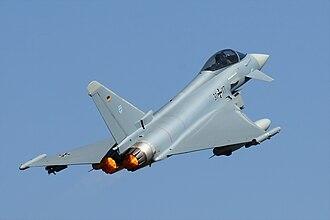
Move Over, F-35: Turkey Is Buying Eurofighter Typhoons from Qatar
In a significant shift within the global defense landscape, Turkey is set to enhance its military capabilities through the acquisition of Eurofighter Typhoons from Qatar, marking a strategic pivot away from the F-35 program. The move comes amidst ongoing tensions surrounding Turkey’s previous intentions to procure the advanced American stealth fighter and reflects a growing partnership with Gulf allies. As geopolitical dynamics evolve, this development not only positions Turkey to bolster its air force with one of Europe’s premier fighter aircraft but also signals a broader realignment of defense relationships in the region. The implications of this transaction extend beyond national defense, potentially reshaping alliances and operational strategies in a turbulent international arena.
Turkey’s Strategic Shift: The Significance of Acquiring Eurofighter Typhoons from Qatar
Turkey’s recent decision to acquire Eurofighter Typhoons from Qatar marks a pivotal moment in its defense strategy, signaling a significant shift away from reliance on American aircraft. This move comes in the wake of Turkey’s exclusion from the F-35 program, prompting a re-evaluation of its air combat capabilities. By tapping into Qatar’s fleet of Eurofighters, Turkey aims to bolster its aerial strength, enhance interoperability with NATO forces, and assert its position in regional geopolitics. Key reasons driving this acquisition include:
- Independence in Defense Procurement: The shift reflects Turkey’s desire to develop a self-sufficient defense industry, reducing dependency on Western technologies.
- Enhanced Tactical Flexibility: The Eurofighter, with its advanced capabilities, offers a significant upgrade in operational performance, addressing Turkey’s air defense needs more effectively.
- Strengthening Bilateral Relations: Strengthening ties with Qatar marks a shift towards strategic partnerships in the Middle East.
In practical terms, the Eurofighter Typhoon brings advanced avionics and superior air-to-air and air-to-ground capabilities, which are critical in the current threat landscape. This aircraft is set to engage in both deterrence strategies as well as potential power projection in the region. As Turkey integrates the Eurofighter into its air force, it will also focus on maintaining and enhancing its existing military relationships, particularly with European partners. The implications of this acquisition extend beyond mere military capabilities; it signals a broader trend in defense alignments globally.
| Feature | Eurofighter Typhoon | F-35 Lightning II |
|---|---|---|
| Manufacturer | Eurofighter Jagdflugzeug GmbH | Lockheed Martin |
| Primarily Designed For | Air Superiority | Multi-role Stealth |
| Max Speed | Mach 2.0 | Mach 1.6 |
| Weapons System | Multi-role Capabilities | Advanced Stealth Features |
Impact on NATO Relations and Regional Defense Dynamics in the Eastern Mediterranean
The recent acquisition of Eurofighter Typhoons by Turkey from Qatar marks a significant shift in the balance of military power within the Eastern Mediterranean, potentially altering NATO relations and regional defense dynamics. This decision comes in the wake of Turkey’s increasingly complex relationship with the West, particularly following its strained ties with the United States over prior purchases of Russian defense systems. The introduction of these advanced aircraft could embolden Turkey to assert its interests more aggressively, thereby prompting a reevaluation of NATO’s collective security posture in the region.
This development signals a potential fragmentation within NATO as member states reassess their defense strategies in face of Turkey’s evolving military capabilities. The Eurofighter acquisition may provoke reactions from neighboring countries, including Greece and Cyprus, which might feel compelled to enhance their own military preparedness. Regional defense dynamics could shift towards a more competitive and militarized environment as countries navigate the implications of this new arms arrangement, highlighting the delicate balance of power in a historically volatile region.
Future of Turkey’s Defense Industry: Opportunities and Challenges Ahead
In a bold strategic shift, Turkey has decided to procure Eurofighter Typhoons from Qatar, marking a significant pivot in its defense procurement strategy. This move comes against the backdrop of ongoing tensions with Western allies and the geopolitical landscape reshaping defense priorities globally. The decision to opt for the Typhoon over the F-35 reflects both a sense of urgency in bolstering defense capabilities and a desire to diversify military partnerships. Analysts believe this acquisition will allow Turkey to enhance its indigenous defense industry by integrating advanced technologies and fostering closer cooperation with European defense firms.
However, the path ahead is not without challenges. Turkey faces several hurdles, including the need for compatibility with existing systems and the potential for geopolitical backlash. Key factors influencing this landscape include:
- Supply Chain Dependencies – Ensuring reliable access to spare parts and maintenance support from partner nations.
- Technological Integration – Merging the Eurofighter Typhoon’s advanced systems with Turkey’s existing platforms.
- Regional Security Dynamics – Navigating relationships with NATO allies while establishing new partnerships.
To better illustrate the changing dynamics in Turkey’s defense acquisitions, the following table summarizes key aspects of both the Eurofighter Typhoon and the F-35:
| Aircraft | Capabilities | Key Advantages |
|---|---|---|
| Eurofighter Typhoon | Air superiority, multirole capabilities | Proven performance in European contexts, collaborative development |
| F-35 | Stealth technology, advanced avionics | Network-centric warfare, stealth capabilities |
In Retrospect
As Turkey pivots towards acquiring Eurofighter Typhoons from Qatar, the implications for regional security dynamics and NATO relations merit close attention. This strategic move underscores Turkey’s shifting defense priorities as it seeks to diversify its military capabilities amidst evolving geopolitical tensions. The decision to forgo the F-35 program raises questions about the future of transatlantic defense cooperation and highlights the growing influence of the Middle East in arms dealings. As global military landscapes continue to shift, analysts will be watching closely to see how this acquisition will impact Turkey’s air force modernization efforts, its partnerships, and the broader security architecture of Europe and the Middle East. With Turkey assuming a more assertive stance in its defense procurement, the ramifications of this deal will likely resonate far beyond its borders, shaping military strategies and alliances well into the future.










