
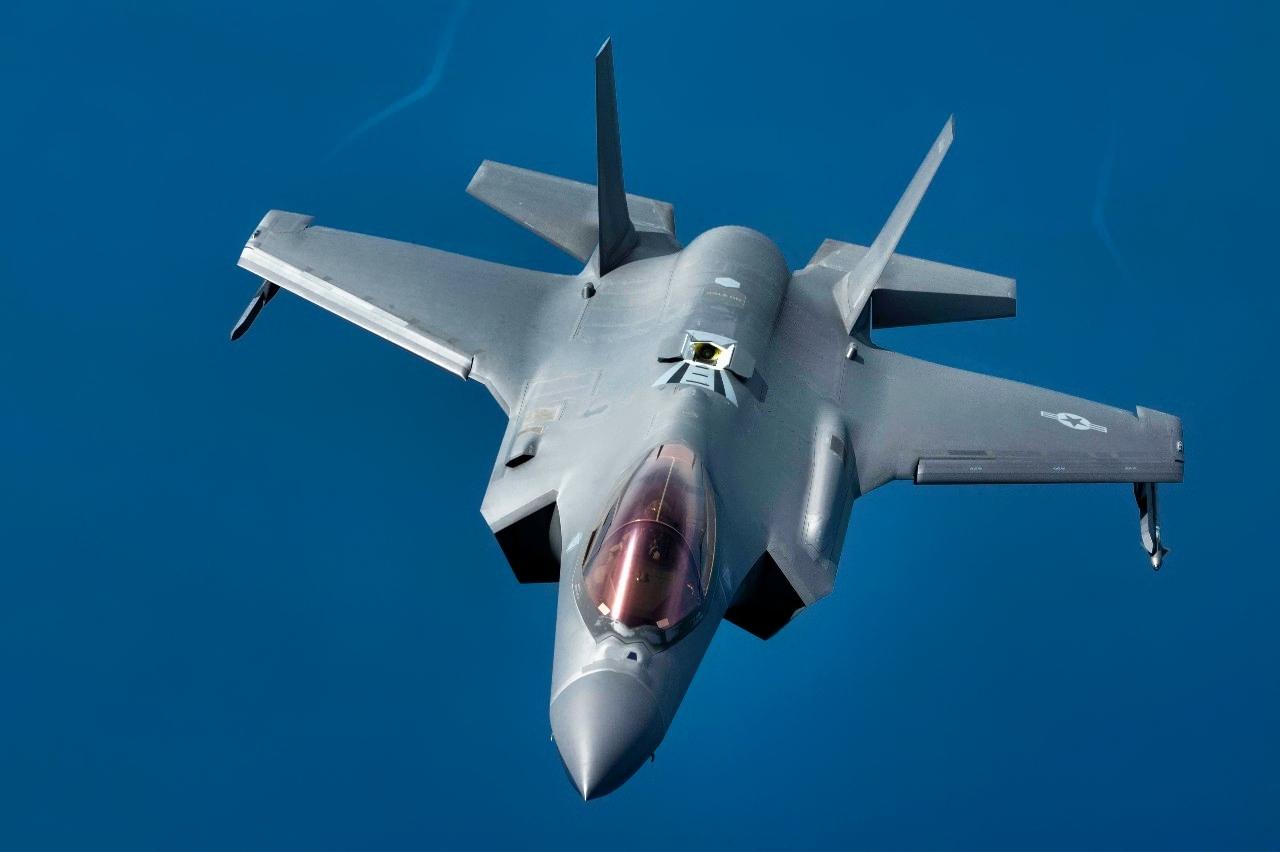
Switzerland’s F-35 Fighter Jet Purchase: A National Debate
The recent decision by Switzerland to acquire F-35 fighter jets has sparked a heated national debate, raising critical questions about governance and clarity. Initially perceived as a strategic move to bolster the Swiss Air Force’s capabilities, this multi-billion-dollar investment is now mired in allegations of misconduct, political fallout, and meaningful public opposition. As citizens contemplate the ramifications of this military expenditure, political leaders are under scrutiny for their decisions regarding the deal and the procurement process that led to it. This unfolding situation not only challenges the integrity of Switzerland’s defence policies but also tests its commitment to accountability and democratic principles amid ample financial commitments to foreign military assets.
F-35 Fighter Jet Purchase Sparks Political Discourse
The Swiss government’s decision to procure F-35 fighter jets has ignited vigorous discussions among various political groups. Critics argue that the procurement process was opaque and lacked adequate public involvement. They warn that such a costly acquisition could exacerbate financial pressures on national budgets already strained by high spending on social services and community initiatives. Numerous civic organizations-including environmental advocates and peace activists-have expressed concerns about prioritizing advanced military technology over pressing societal issues.
On the other hand, supporters contend that investing in F-35s is crucial for safeguarding national security in an increasingly volatile global landscape.They emphasize that modernizing Switzerland’s air force is essential for addressing potential threats stemming from regional instability. Key arguments favoring this acquisition include:
- Enhanced Defense Capabilities: Advocates assert that acquiring F-35s will ensure air superiority.
- NATO Integration: The program strengthens relationships with NATO allies while promoting international collaboration.
- Economic Progress: The deal is expected to generate jobs within Switzerland’s defense sector.
The divide in public opinion remains pronounced as different political factions rally their supporters around this contentious issue. Recent polls indicate a significant portion of citizens support increased military funding; however, many advocate for a referendum to determine whether purchasing F-35s is necessary or wise. This controversy may have considerable implications for upcoming elections as candidates balance national security needs with fiscal obligation.
Public Opposition to Defense Spending and Transparency Concerns
The choice made by Switzerland regarding its acquisition of F-35 fighter jets has incited widespread public discontent centered on long-standing issues related to defense spending practices and government transparency standards. Critics highlight that with an estimated cost approaching $6 billion, along with ongoing maintenance costs, there are serious concerns about fiscal responsibility given urgent social needs within society.This dissatisfaction is intensified by fears surrounding inadequate clarity regarding how decisions were reached during the selection process for these aircraft-models already linked with budget overruns and technical challenges elsewhere.
This rising discontent has empowered reform advocates who are increasingly vocal about changing defense spending practices. Protesters supported by numerous civil society organizations demand greater accountability, calling attention to enhanced oversight mechanisms concerning defense expenditures.The demonstrations have highlighted several critical issues including:
- A lack of sufficient public consultation prior to finalizing major defense contracts;
- An opaque bidding system favoring large corporations over smaller firms;
- A failure to adequately consider civilian priorities during decision-making processes;
| Main Issues Identified | Civic Responses Initiated |
|---|---|
| Poor Transparency Standards | Demand for open hearings concerning military expenditures |
| High Costs Associated with Procurement | Plea for budget reallocations towards social programs |
| Tension Between Military Spending vs Public Needs | Pushed civic engagement efforts aimed at policymaking processes |
Enhancing Defense Procurement Practices in Switzerland
The ongoing debate surrounding Switzerland’s purchase of F-35 fighter jets underscores significant shortcomings within its current defense procurement framework.To effectively address these challenges while improving both transparency levels along with accountability measures,a series reforms should be considered.Key recommendations include:
- Boosting Transparency : Enforce stricter regulations requiring detailed disclosures related specifically towards procurement contracts-including clear information about bidding procedures along with selection criteria .
- < strong >Streamlining Processes : Simplify acquisition frameworks designed reduce bureaucratic delays thereby fostering more efficient cycles throughout all stages involved.
- < strong >Engaging Stakeholders : Involve experts from both industry sectors alongside representatives from civil society when making decisions ensuring diverse perspectives inform strategies adopted .
- < strong >Establishing Performance Metrics : Create clear benchmarks assessing effectiveness pertaining directly towards initiatives undertaken guaranteeing accountability exists amongst government agencies contractors alike . Â Â
-
Additionally , establishing an self-reliant oversight body dedicated solely monitoring activities linked back into both spending patterns well overall procurement operations would ensure alignment occurs between objectives set forth concerning national security budgets allocated accordingly.This entity could facilitate regular audits coupled together periodic reports made available publicly maintaining checks balances system intact.Moreover training programs tailored specifically targeting officials responsible managing procurements should be implemented improving understanding modern capabilities market trends leading ultimately better informed decision-making processes.The following table outlines potential areas focus reform efforts :
Focus Area  Proposed Reforms  South Sudan Gears Up for AFCON Qualifiers Against Djibouti-But Fans Will Be Absent!
The anticipation is palpable as South Sudan gears up to clash with Djibouti in the highly anticipated Africa Cup of...
Read moreDetails









