
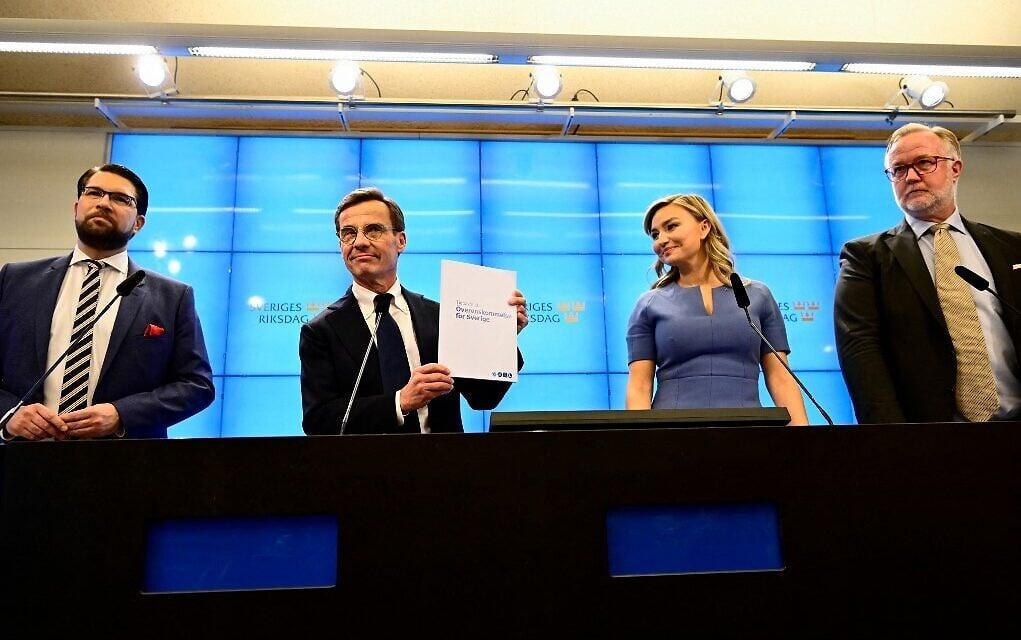
Swedish Liberals Stand Firm Against Coalition with Sweden Democrats: A Pivotal Political Decision
In a significant political move that could reshape Sweden’s governance landscape, the Swedish Liberals have unequivocally rejected any coalition involving the Sweden Democrats. This declaration comes at a time when the nation is facing an increasingly polarized political climate, where far-right parties have gained substantial traction in recent years. The centrist Liberals are committed to preserving democratic values and liberal principles, asserting that any partnership with the Sweden Democrats-known for their contentious stances on immigration and social integration-would compromise Sweden’s political integrity. As discussions about potential coalitions heat up following recent election outcomes, reactions from other political entities and broader implications for governance remain unpredictable.
Swedish Liberals Clearly Oppose Alliance with Far-Right Party
The Swedish Liberals have made it abundantly clear that they will not consider any coalition involving the Sweden Democrats. This decision arises amidst ongoing discussions regarding the future trajectory of Swedish politics, where rising far-right ideologies have ignited considerable debate. The Liberal Party, led by figures who emphasize adherence to core democratic values, has reiterated its commitment to inclusivity and progressive policies while distancing itself from extremist rhetoric associated with their counterparts.
Party leaders have articulated a forward-thinking vision for Swedish politics based on essential principles such as:
- Promotion of Equality: Advocating for equal rights and opportunities for all citizens.
- Strengthening Democratic Processes: Commitment to transparent governance and fostering active civic engagement.
- Sustainability Efforts: Initiatives aimed at combating climate change through responsible practices.
This position not only highlights their dedication to traditional liberal ideals but also raises concerns about potential fragmentation within right-wing politics in Sweden. By continuing to reject alliances with far-right factions, they set a precedent that may lead to significant shifts in party dynamics as upcoming elections approach.
Political Polarization: Implications for Governance in Sweden
The latest developments signal a noteworthy shift within Swedish political alignments, particularly underscored by the Liberal Party’s strong opposition against collaborating with extremists like the Sweden Democrats. As polarization intensifies, this resolute stance may extend beyond mere electoral tactics; it hints at possible fractures within traditional party loyalties which could complicate efforts toward stable governance.
The emerging factors include:
- Possible Fragmentation: An unwillingness to compromise may lead to a divided parliament where effective governance becomes increasingly difficult.
- A Divided Electorate: With parties taking firm positions against one another, voters might feel compelled to choose sides, exacerbating existing divisions.
- Affecting Policy Development: Tensions among various factions could hinder progress on critical issues such as immigration reform, economic stability initiatives, and enhancements in social welfare programs.
This discontent among traditional liberals might create openings for new political movements or invigorate smaller parties seeking centrist support. Observers express concern over normalizing far-right agendas as mainstream parties struggle with balancing their principles against an increasingly fragmented public sentiment.
The evolving dynamics suggest that Swedish politics may resemble an intricate chess game where each move is scrutinized; alliances are formed or dissolved based on ideological commitments rather than practical considerations. Monitoring these changes will be crucial as elections draw near since they will likely reflect public sentiment towards coalition governance moving forward.
Strategic Approaches for Future Government Formations by Liberals
The road ahead poses significant challenges for the Swedish Liberals as they navigate future government formations while maintaining their firm stance against coalitions involving extremist groups like the Sweden Democrats. To effectively position themselves politically moving forward, several strategies can be adopted including:
- Cementing Core Values: The party must emphasize its commitment to civil liberties and inclusive democracy while distinguishing itself from far-right narratives.
- Pursuing Collaborative Politics: Building alliances with other centrist or left-oriented parties can enhance bargaining power and broaden support networks.
- Tackling Key Issues Directly: Focusing on pressing matters such as environmental sustainability education reform will resonate well among voters providing solid negotiation platforms during discussions.< / li >
- < strong > Grassroots Engagement:< / strong > Strengthening connections within local communities through campaigns can revitalize public trust while enhancing visibility across demographics.< / li >
An astute understanding of voter dynamics is crucial; thus leveraging data analytics tools can help gauge public sentiment effectively allowing policy adjustments accordingly . Crafting communication strategies tailored towards diverse audiences remains vital . Below is a simplified table outlining target demographics :
< tbody >< tr >< th > Target Audience < th > Strategy < th > Anticipated Result < tr >< td > Young Voters < td > Social Media Outreach < td > Higher Participation Rates < tr >< td > Working-Class Families < td > Policy Discussion Forums  < /td Â
Conclusion: Reflecting on Liberal Positioning Within Political Landscape
In conclusion ,the decisive action taken bythe SwdishLiberlasagainst formingcoalitionswiththeSwedenDemocrats representsanimportantmomentinSwedishpolitics ,highlightingthedisparitieswithinitscurrentlandscape .AsLiberalsembracewhattheyviewastheirresponsibilitytoopposefar -rightideologies ,thefutureofcoalitionnegotiationsremainsuncertain .Withgrowingconcernsregardingpotentialimplicationsforbothdomesticandinternationalarenas ,thenextfewweeksarelikelytoilluminatehowthisdecisionwillimpactgovernanceinSweden.Aspoliticaldevelopmentsunfold ,attentionwillfocusonhowpartiesnavigate thesechallengingdynamicsandwhatitmeansforthecountry’sdemocraticframework.










