
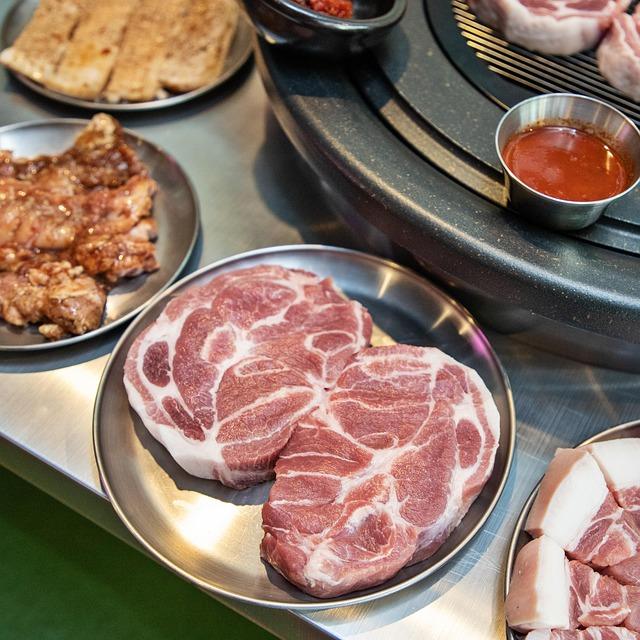
In a significant policy shift, the United Kingdom has announced the easing of its ban on Spanish pork imports, which had been imposed due to concerns surrounding African Swine Fever (ASF). This decision marks a pivotal moment for the agricultural trade between the UK and Spain, as the latter seeks to recover from the repercussions of the ASF outbreak that affected its pig farming sector. With measures in place to ensure food safety and animal health, the UK government aims to strike a balance between protecting its domestic livestock and maintaining strong trade relationships within Europe. This development is poised to reshape the landscape of pork supply chains and offers insights into the ongoing efforts of both nations to manage agricultural risks while fostering economic resilience.
UK Lifts Restrictions on Spanish Pork Amid ASF Recovery Efforts
The recent decision to lift restrictions on Spanish pork exports to the UK marks a significant milestone in the ongoing recovery efforts following the African Swine Fever (ASF) outbreak. This move indicates both countries’ commitment to revitalizing trade and ensuring food security in the wake of the disease’s impact on the pork industry. Following stringent biosecurity measures and the observation of a downward trend in ASF cases in Spain, the UK government deemed it safe to resume imports, reflecting confidence in measures implemented by Spanish authorities.
Key implications of this development include:
- Economic benefits: Boosting trade opportunities for Spanish farmers and reducing prices for UK consumers.
- Supply chain restoration: Re-establishing a vital link between UK markets and Spanish meat producers.
- Increased scrutiny: Ongoing monitoring by UK authorities to maintain stringent health and safety standards.
| Factor | Before Lifting Ban | After Lifting Ban |
|---|---|---|
| Trade Status | Restricted | Open |
| Pork Prices | Higher | Stabilized |
| Biosecurity Measures | Tight | Ongoing |
Implications for Trade: What the Eased Ban Means for UK Consumers
The recent easing of the ban on Spanish pork imports due to the African Swine Fever (ASF) outbreak presents several implications for UK consumers. With this decision, the availability of Spanish pork products is set to increase, resulting in a wider variety of choices for consumers in the UK market. As Spanish producers ramp up their exports, shoppers can expect potential benefits such as:
- Increased access to premium pork cuts traditionally enjoyed in Spanish cuisine.
- Competitive pricing, leading to lower costs for consumers as supply from Spain increases.
- Enhanced culinary diversity in UK supermarkets, accommodating the demand for diverse international products.
Moreover, this shift is likely to have a ripple effect on local pig farmers. While consumers may revel in the new offerings, UK producers may face pressure to enhance quality and competitive pricing. As demand fluctuates, consumers could also notice changes in promotional offers and discounts on domestic pork products. For example, a comparison table reflecting the price dynamics may look like this:
| Product | Average Price (UK) | Average Price (Spain) |
|---|---|---|
| Spanish Chorizo | £5.00 | £4.00 |
| Pork Shoulder | £7.50 | £6.00 |
| Serrano Ham | £10.00 | £8.50 |
Expert Recommendations for Safeguarding Animal Health Post-Ban
In light of the recent easing of the pork ban from Spain to the UK, veterinary experts emphasize the necessity of implementing robust biosecurity measures to safeguard animal health against African Swine Fever (ASF). These recommendations serve as a crucial framework for farmers and industry stakeholders to prevent potential outbreaks:
- Maintain strict biosecurity protocols: Regular disinfection of equipment and vehicles, as well as restricting access to farms, can significantly impede the spread of ASF.
- Monitor animal health closely: Implementing routine health checks and surveillance can aid in the early detection of any disease symptoms.
- Limit movement of pigs: Reducing the transport of pigs between farms can help mitigate exposure to infected animals.
- Educate staff: Providing training on ASF awareness and prevention tactics is vital for all personnel involved in pig management.
Furthermore, collaboration with veterinary authorities and industry organizations is critical for effective management. Developing contingency plans to respond promptly to suspected ASF cases can greatly reduce the risks. A recommended approach includes:
| Action Plan | Responsibility |
|---|---|
| Rapid reporting of disease symptoms | Farm Managers |
| Routine vaccination where applicable | Veterinarians |
| Regular training sessions for staff | Farm Owners |
| Engagement with local authorities for updates | All Stakeholders |
Insights and Conclusions
In conclusion, the recent easing of the pork import ban from Spain by the UK marks a significant shift in the management of trade relations in the wake of the African swine fever outbreak. This decision not only reflects the improvement in Spain’s animal health status but also underscores the importance of international cooperation in mitigating the impacts of such diseases on the global agricultural market. As both nations navigate the complexities of food safety and trade, stakeholders within the pork industry will be closely monitoring the developments, ensuring compliance with health regulations and adapting to the evolving landscape. With continued vigilance and collaboration, there is optimism for a more robust recovery in the sector. For ongoing updates and insights, stay connected with The Pig Site.










