
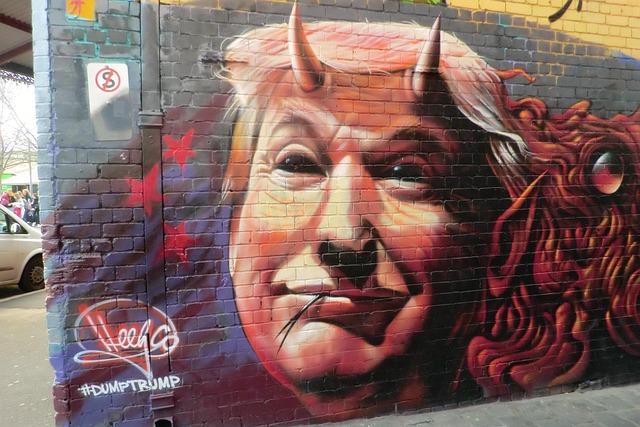
In a surprising escalation of his administration’s trade rhetoric, former President Donald Trump has issued stark warnings regarding potential trade measures against Spain, raising concerns about the economic implications for Madrid and its partners within the European Union. As Trump contemplates the impact of global trade policies on U.S. interests,Spain finds itself in a precarious position,navigating the complexities of bilateral relations amidst changing political tides. With the Spanish economy heavily reliant on exports and tourism, the potential for tariffs and trade restrictions poses significant questions about the resilience of its economic framework and the broader consequences for the Eurozone. This article delves into the specifics of Trump’s threats, examining how exposed Spain might be in this evolving trade landscape and what strategies Madrid could employ too safeguard its interests.
Trump’s Trade Threats: analyzing the Potential Impact on Spain’s Economy
Recent trade threats issued by former President Donald Trump have sent shockwaves through international markets, raising concerns about thier potential repercussions on Spain’s economy. As one of the key players in the European Union, Spain is notably vulnerable to shifts in trade policy, especially considering its strong reliance on exports. The Spanish economy, which has rebounded from the COVID-19 pandemic, heavily depends on sectors such as tourism, automotive, and agriculture, all of which could be dramatically impacted by any tariffs or trade restrictions. Economists warn that an escalation in trade tensions could derail Spain’s recovery and undermine growth projections.
Experts point to several critical areas where Spain might feel the pinch of increased tariffs or trade barriers. Spain’s export-oriented industries could experience significant challenges, including:
- Increased costs for exports, making Spanish goods less competitive in the U.S. market.
- A potential reduction in foreign direct investment,as companies reevaluate their presence in an uncertain trade environment.
- Disruption in supply chains, especially in industries that rely on cross-border trading with the U.S.
Moreover,heightened trade tensions could affect consumer prices,leading to inflationary pressures that might force the Spanish government to adjust fiscal policies. The long-term implications could also deter American tourists, a vital source of revenue in Spain’s robust tourism sector. Stakeholders across various sectors are closely monitoring these developments, recognizing that the landscape of international trade is as unpredictable as ever under such political dynamics.
Defensive strategies for Madrid: How Spain Can Mitigate Trade Risks
As tensions rise over potential trade disruptions, Spain’s strategic position within the European Union offers a robust framework for mitigating risks associated with trade threats. First and foremost, enhancing diplomatic relations with key trading partners is essential. By proactively engaging in negotiations and establishing interaction channels, Spain can lay the groundwork for option trade agreements that can buffer against unilateral actions taken by the U.S. Additionally, leveraging its status in the EU allows Madrid to advocate for collective responses that can dilute the impact of trade tariffs or sanctions.
Moreover, diversifying export markets is crucial in minimizing vulnerability.By strengthening ties with emerging economies in Asia, Latin America, and Africa, Spain can reduce dependence on traditional partners like the United States. This approach not only spreads risk but also opens up new economic avenues. Furthermore, investing in innovation and technology within key sectors, such as agriculture and renewable energy, can enhance competitiveness and boost domestic industries. Emphasizing a resilient supply chain that is less susceptible to external shocks will fortify Madrid’s economic landscape as it navigates these turbulent trade waters.
Global Trade Dynamics: The Broader Implications of US-Spain Relations
The potential for escalating trade tensions between the United States and Spain raises significant questions about the broader economic landscape. Spain, as the fourth-largest economy in the Eurozone, has developed a robust trade relationship with the U.S., particularly in sectors such as agriculture, automotive, and technology. However, recent aggressive trade rhetoric from the Trump administration could jeopardize these ties, leading to a range of implications for Madrid.Analysts warn that tariffs or sanctions could result in the following challenges:
- Reduced Export Opportunities: Spanish companies may find it increasingly challenging to compete in the U.S. market, especially in industries where they previously held advantageous positions.
- Supply Chain Disruptions: Many Spanish manufacturers rely on components sourced from the U.S., and any trade barriers could choke off critical inputs.
- Investments at Risk: Spanish investors may reconsider their strategies in the U.S., fearing an unpredictable trade landscape, which could lead to a decrease in foreign direct investment.
Moreover, the effects of strained relations are not isolated to economic metrics alone. The impact on diplomatic ties could alter Spain’s position within the European union, prompting EU officials to reassess their trade strategies with the U.S.When major players like the U.S. and Spain exhibit instability in their relationship, it can send ripples across global markets, causing even indirect partners to feel the effects. Observers note that potential ramifications may include:
- Policy Reevaluations: Spain may need to recalibrate its trade policies and align them with broader EU objectives to mitigate risks.
- Geopolitical Shifts: Heightened tensions could push Spain to strengthen diplomatic ties with other nations,creating new trade alliances that could reshape international trade routes.
Key Takeaways
as tensions rise over President Trump’s recent threats concerning trade relations with Spain, the implications for the Spanish economy and its global trade standing cannot be underestimated. While Spain has successfully navigated challenges in the past, the potential consequences of a trade dispute with one of the world’s largest economies could pose significant risks.As Madrid assesses its exposure to these threats, stakeholders from government officials to business leaders will be closely monitoring developments. The coming weeks will be crucial in determining how Spain responds to this challenge and what steps can be taken to safeguard its economic interests in an increasingly uncertain global landscape. As we continue to follow this story, the focus will remain on the evolving dynamics and strategic decisions that will shape the future of Spain’s trade relationships.










