
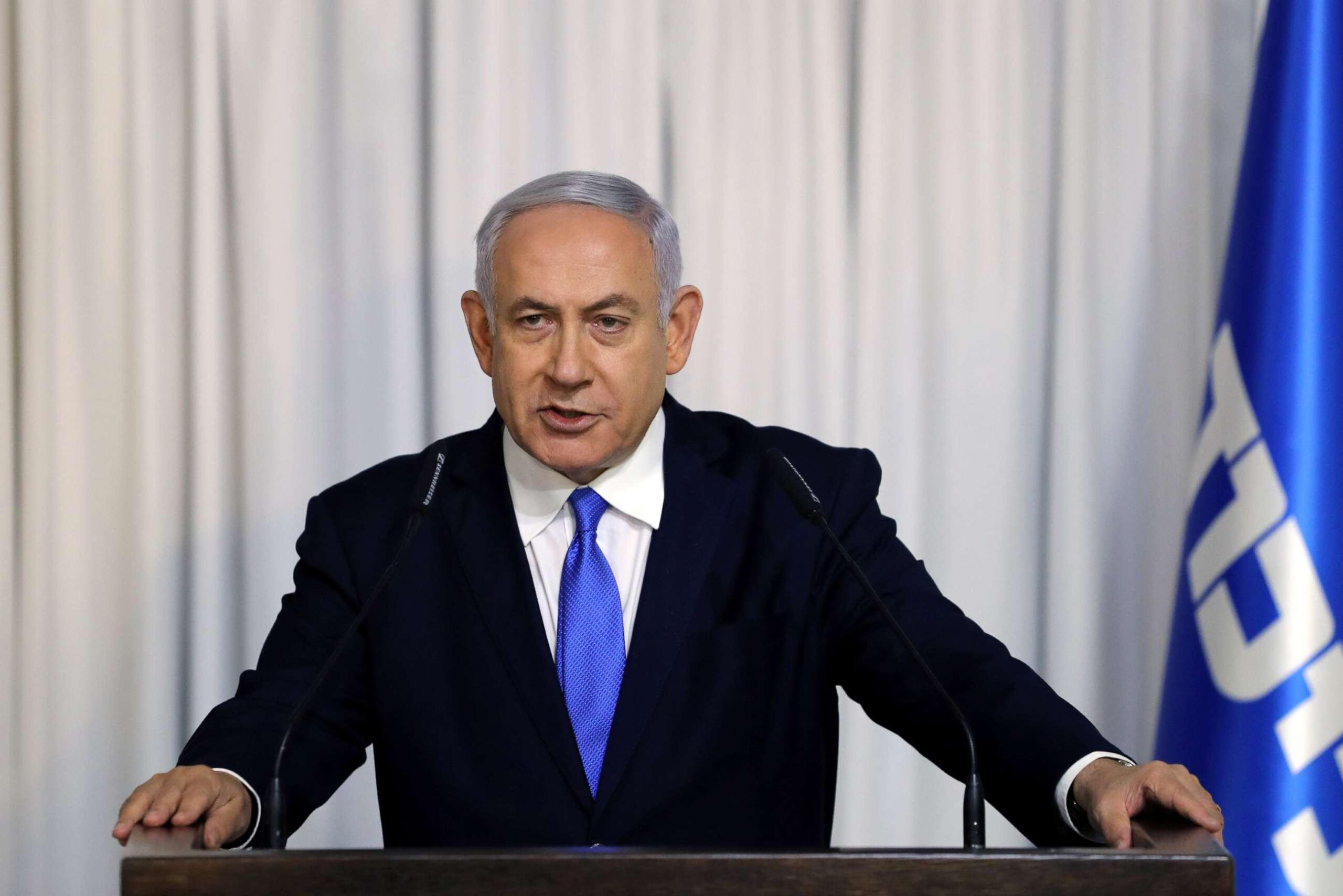
In a significant diplomatic development, Israeli Prime Minister Benjamin Netanyahu has been declared persona non grata in Slovenia, as reported by Sarajevo Times. This decision marks a notable shift in Slovenia’s stance toward Israel amidst ongoing tensions in the region. The declaration comes in the wake of Netanyahu’s controversial policies and actions regarding the Israeli-Palestinian conflict, which have drawn widespread international criticism. As global attention focuses on the implications of this diplomatic snub, questions arise about the future of Slovenian-Israeli relations and the broader impact on European support for Israel. This article delves into the reasons behind Slovenia’s decision, the reactions from various stakeholders, and the potential ramifications for international diplomacy in the Middle East.
Netanyahu’s Diplomatic Isolation in Slovenia Marks a Significant Shift in European Relations
The recent declaration of Israeli Prime Minister Benjamin Netanyahu as persona non grata in Slovenia signals a profound evolution in the geopolitical landscape of Europe. This unprecedented diplomatic snub highlights a growing rift between Israel and some European nations, particularly as Slovenia, as part of the European Union, reassesses its stance amidst evolving global norms and humanitarian concerns. Slovenia’s decision is emblematic of a broader trend where European governments are taking a firmer stand against policies and actions that they perceive as contradictory to democratic values and human rights. The implications of such a stance could potentially alter the dynamics of Israel’s relationships not only with Slovenia but with other EU member states as well.
The ramifications of Netanyahu’s diplomatic isolation may reverberate beyond Slovenia, as European nations weigh their own policies towards Israel and its ongoing contentious actions in the region. Some key factors contributing to this shift include:
- Human Rights Violations: Rising concerns about the treatment of Palestinians and accusations of violations have prompted European leaders to reevaluate their diplomatic ties.
- Internal Political Pressures: Grassroots movements across Europe advocating for Palestinian rights are influencing government policies and public opinion.
- Changing Geopolitical Alliances: The emergence of new alliances and priorities within Europe may be leading to a reassessment of traditional foreign policy positions.
| Country | Stance on Israel |
|---|---|
| Slovenia | Persona Non Grata for Netanyahu |
| Germany | Supports Two-State Solution |
| France | Critiques Human Rights Abuses |
Examining the Implications of Slovenia’s Stance on Israeli Leadership
Slovenia’s recent decision to declare Israeli Prime Minister Benjamin Netanyahu a persona non grata reflects a significant shift in its diplomatic posture, showcasing its commitment to human rights and international norms. This action not only highlights Slovenia’s stance on the contentious Israeli-Palestinian conflict but also puts the country’s foreign policy in the spotlight as it re-evaluates its alliances and diplomatic engagements. The implications of this decision resonate beyond Slovenia’s borders, prompting debates across Europe regarding the EU’s relationship with Israel and the broader Middle East peace process. Stakeholders are now compelled to reconsider their positions or risk alienating pro-Palestinian activist segments within their populations.
By taking such a stand, Slovenia joins a growing list of nations that are pushing back against traditional diplomatic constraints, prioritizing ethical considerations over political expediency. This policy shift could lead to potential repercussions, including:
- Deterioration of Slovenian-Israeli Relations: This could result in a decrease in trade and collaboration between Slovenia and Israel, impacting various sectors.
- Influence on EU Policy: Slovenia’s stance may inspire other EU nations to adopt similar positions, potentially reshaping EU’s collective approach to Israel.
- Impact on Slovenia’s International Standing: The country may face criticism from pro-Israel factions while gaining support from human rights advocates.
| Impacts of Slovenia’s Decision | Possible Outcomes |
|---|---|
| Trade Relations | Possible decline in exports and imports with Israel |
| International Relations | Shifts in diplomatic alliances |
| Public Perception | Increased support from human rights advocates and NGOs |
Recommendations for Future Engagement Strategies Between Israel and Slovenia
To foster a more constructive relationship between Israel and Slovenia, it is crucial for both nations to engage in open dialogue that seeks common ground. Establishing regular diplomatic meetings can help to clarify misunderstandings and facilitate collaboration on issues of mutual interest. These meetings can be supplemented by cultural exchanges that allow for a deeper understanding of each nation’s history and societal values. Both parties should consider:
- Joint Economic Initiatives: Encouraging investment opportunities and partnerships in technology and innovation sectors.
- Cultural Diplomacy: Promoting cultural festivals that highlight the diverse heritages of both nations.
- Educational Collaborations: Initiating student exchange programs to foster long-term relationships.
Additionally, leveraging digital platforms for bilateral discussions can enhance transparency and reach a broader audience. Hosting webinars and virtual conferences on pressing global issues could not only strengthen ties but also present both countries as cooperative entities on the international stage. A commitment to such initiatives might include:
| Initiative | Expected Outcome |
|---|---|
| Annual Bilateral Summit | Strengthened diplomatic relations |
| Cultural Exchange Programs | Enhanced mutual understanding |
| Joint Research Projects | Innovative solutions to shared challenges |
Final Thoughts
In conclusion, the declaration of Israeli Prime Minister Benjamin Netanyahu as persona non grata in Slovenia marks a significant diplomatic development that reflects the complexities of international relations and the ongoing discourse surrounding Middle Eastern politics. Slovenian officials have made it clear that this decision is rooted in their stance on the Israeli-Palestinian conflict, illustrating the impact of foreign policy on bilateral relations. As tensions continue to rise and the global community watches closely, it remains to be seen how this declaration will influence Slovenia’s position within the broader European Union context and what implications it may hold for Israel’s diplomatic engagements in the region. The unfolding events underscore the importance of dialogue and diplomacy in resolving contentious issues, as nations navigate their responses to changing political landscapes.










