
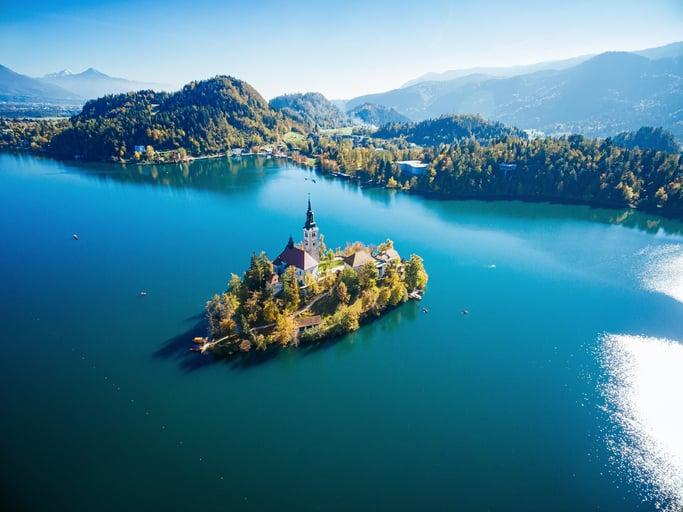
Slovenia: A Historical Overview from Post-WWI Turmoil to Alpine Identity
As the remnants of World War I faded into the annals of history, Slovenia found itself at a crossroads, grappling with its identity amidst the shifting political landscape of the newly formed Kingdom of Serbs, Croats, and Slovenes. Over the decades, this small yet vibrant nation would navigate the challenges of Yugoslav unity, economic upheaval, and cultural resurgence, all while drawing inspiration from its stunning Alpine backdrop. In this article, we delve into slovenia’s complex journey through the 20th century, exploring its role within Yugoslavia, the enduring legacy of its mountainous terrain, and how these elements combined to shape the nation into the unique and independent state we no today. With a keen focus on historical milestones and cultural developments, we aim to provide a comprehensive overview of Slovenia’s transformation from post-war uncertainty to a proud member of the European community.
Exploring Slovenia’s Transformation Post-World War I
In the aftermath of World War I, Slovenia found itself at a historic crossroads. Having been part of the Austro-hungarian Empire, the end of the war ushered in important geopolitical changes that redefined its national identity. As a constituent part of the newly formed Kingdom of Serbs, Croats, and Slovenes (later Yugoslavia), Slovenia began to navigate complex issues of governance, cultural integration, and economic advancement. This transition marked a crucial period characterized by a growing sense of Slovenian nationalism and cultural revival as citizens sought to assert their distinct identity within a larger regional framework.
The interwar period was particularly influential as Slovenia adapted to various sociopolitical shifts. The establishment of a centralized goverment in Belgrade initially stifled local autonomy, igniting tensions among the diverse ethnic groups in the region. Nevertheless, Slovenia experienced urbanization, with cities like Ljubljana emerging as cultural hubs. Key developments included:
- The rise of slovenian literature and arts, fostering a sense of unity among its people.
- Investment in infrastructure, improving connectivity and access to educational resources.
- Efforts to promote the Slovenian language in schools and public life, reinforcing national pride.
| Year | Event |
|---|---|
| 1918 | formation of the Kingdom of Serbs, Croats, and slovenes |
| 1929 | Name changed to Yugoslavia |
| 1935 | Creation of the Slovenian-based Mladinska knjiga publishing house |
The Legacy of Yugoslavian Unity and the Alpine Culture of Slovenia
The formation of Yugoslavia in 1918 marked a significant chapter in the history of Slovenia, intertwining the destinies of its diverse ethnic groups under a single national framework. The spirit of unity among the Slovenes and their regional allies illuminated a shared identity that transcended local differences. This newly forged bond was characterized by collective efforts in economic development, cultural exchange, and political engagement. As Slovenia evolved from a hitherto fragmented landscape into a cohesive part of a larger Yugoslav narrative, it laid the foundations for a distinct Alpine identity rooted in communal values and traditions, which would flourish in later years.
The Alpine culture of slovenia, prominently defined by its beautiful landscapes and rich traditions, reflects the enduring legacy of this unity. Nestled amidst the Julian Alps, the region boasts a wealth of traditions that celebrate the close-knit relationships within local communities. Key elements of this culture include:
- Folklore: Stories and legends that highlight historical events and local heroes.
- Festivals: Seasonal celebrations that showcase traditional music, dance, and culinary delights.
- Arts and Crafts: Artisan goods that reflect the craftsmanship and creativity of local artisans.
| Aspect | Description |
|---|---|
| Cuisine | Reflects Alpine ingredients with dishes like potica and Å¡truklji. |
| language | slovene,with influences from German and croatian. |
| Economy | Tourism,agriculture,and traditional crafts play key roles. |
In preserving and nurturing these cultural facets, slovenia not only honors its past but also rejuvenates the Alpine traditions in contemporary settings.The interplay between historical unity and local identity continues to shape Slovenia’s national narrative, ensuring that the spirit of communal living and shared heritage resonates through generations.
Recommendations for Discovering Slovenia’s Historical and Natural Gems
To truly appreciate Slovenia’s rich tapestry of history and its breathtaking natural beauty, consider embarking on an adventure through its lesser-known yet captivating sites. Begin in Ptuj, Slovenia’s oldest town, renowned for its medieval architecture and vibrant festivals. Stop by the Ptuj Castle for panoramic views of the surrounding countryside and immerse yourself in the town’s archaeological heritage. Don’t miss the prospect to wander through the Maribor Wine Region, sampling some of the finest wines from the oldest vine in the world, over 400 years old, located right in the heart of Maribor.
For nature enthusiasts, Slovenia boasts an array of stunning national parks that showcase its diverse landscapes. Triglav National Park is a must-visit, offering hiking trails that meander past glaciers, deep forests, and emerald lakes. Explore the So�a Valley, famous for its turquoise river, where adventure seekers can partake in activities like kayaking and paragliding. Additionally, the Škocjan Caves, a UNESCO World Heritage site, presents an awe-inspiring underground landscape teeming with mystery and beauty. Each of these gems highlights Slovenia’s dual heritage, combining natural wonders with traces of its storied past.
Key Takeaways
Slovenia’s intricate historical trajectory—marked by its post-World War I reconfiguration, integration into the Yugoslav federation, and its picturesque Alpine landscape—paints a vivid picture of resilience and transformation. As the country grapples with its past and forges a distinct future since gaining independence in 1991, Slovenia stands as a testament to the enduring spirit of its people. With a rich cultural heritage rooted in diverse influences, from the Slavic legacy to its Italian and Hungarian neighbors, slovenia continues to play a significant role on the European stage. As we reflect on the country’s journey through the tumultuous 20th century to its current position as a member of the European Union,it becomes clear that Slovenia is not just defined by its geography but by its evolving identity and aspirations. This remarkable nation, nestled in the heart of Europe, invites both exploration and gratitude, promising a vibrant future built on the lessons of its complex past.










