
Introduction
As global awareness of environmental issues grows, Slovenia has emerged as a shining example of how sustainable tourism can thrive. The small Central European nation, renowned for its stunning natural landscapes and rich cultural heritage, is experiencing a remarkable boom in its sustainable tourism sector. With initiatives focused on preserving the environment and promoting responsible travel, Slovenia is attracting eco-conscious travelers from around the world. This article delves into the factors driving Slovenia’s sustainable tourism success, the innovative practices being adopted by local businesses, and the implications of this trend for both the economy and the environment. With the tourism industry undergoing a significant transformation worldwide, Slovenia stands at the forefront, offering valuable lessons for destinations aiming to balance growth with sustainability.
Exploring the Eco-Friendly Practices Fueling Slovenia’s Tourism Growth
Slovenia has emerged as a beacon of sustainable tourism, captivating travelers with its commitment to eco-friendly practices and natural beauty. One of the cornerstones of this movement is the use of green certifications, which promote environmentally responsible operations among hotels and service providers. Visitors can easily identify establishments that prioritize sustainability through certifications such as Green Key and EcoLabel, ensuring that their choices contribute positively to the environment. Additionally, the country places a strong emphasis on local and organic products, encouraging restaurants and markets to support nearby farmers, which not only fosters the local economy but also reduces food miles.
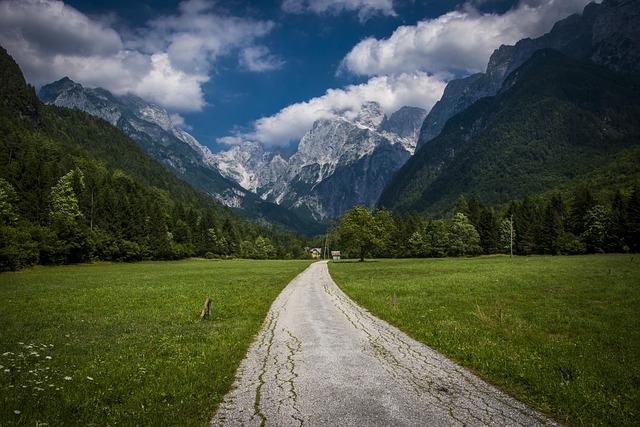
Another significant aspect fueling this growth is Slovenia’s diverse range of outdoor activities that minimize impact on the environment. From hiking in the majestic Julian Alps to kayaking on pristine lakes, eco-conscious travelers are drawn to experiences that harmonize with nature. The government and local organizations promote initiatives such as carbon offset programs for tourists and sustainable travel options, including public transportation and cycling routes. These efforts create a cohesive framework for responsible travel, attracting visitors eager to explore while safeguarding Slovenia’s stunning landscapes for future generations.
The Role of Local Communities in Shaping Sustainable Travel Experiences
Local communities play a pivotal role in the evolution of sustainable travel experiences in Slovenia, serving as both guardians of their cultural heritage and champions of environmental stewardship. By fostering a sense of ownership among residents, these communities are empowered to curate authentic interactions that benefit both visitors and locals alike. Travelers are increasingly seeking genuine experiences, and engaging directly with local artisans, farmers, and tour guides allows them to forge deeper connections with the region. The cooperative initiatives, such as community-led tours and farmers’ markets, not only promote sustainability but also enhance the economic resilience of local populations.
Moreover, the integration of community input into tourism planning ensures that development aligns with local values and environments. With numerous grassroots organizations actively participating, the emphasis is placed on preserving Slovenia’s natural beauty and rich traditions. This approach leads to a synergy where visitors can enjoy unique offerings, such as:
- Farm-to-table dining experiences
- Workshops on traditional crafts
- Nature conservation programs led by locals
Through these collective efforts, a sustainable tourism ecosystem emerges, rooted in authentic local experiences that prioritize the community’s wellbeing while captivating the interest of eco-conscious travelers.
Strategic Recommendations for Strengthening Slovenia’s Position as a Green Travel Destination
To enhance Slovenia’s reputation as a premier green travel destination, stakeholders must adopt a multi-faceted strategy focusing on sustainability, community involvement, and marketing initiatives. Collaboration among local businesses, government agencies, and environmental organizations is crucial for creating a unified vision for sustainable tourism. This involves:
- Establishing clear sustainability guidelines for accommodations and services
- Promoting eco-friendly practices among local vendors
- Implementing community-based tourism projects that empower residents and celebrate local cultures
In addition, leveraging digital platforms to showcase Slovenia’s natural beauty and sustainable offerings can significantly increase tourist interest. Utilizing social media campaigns that highlight real experiences and adventures helps to attract eco-conscious travelers. Key actions should include:
- Creating engaging content that tells the story of Slovenia’s natural wonders
- Partnering with influential travel bloggers and eco-activists for greater outreach
- Developing specialized travel packages that promote off-the-beaten-path experiences
| Strategy | Description | Impact |
|---|---|---|
| Local Partnerships | Collaborate with local businesses to offer sustainable options | Increased local economy support |
| Marketing Initiatives | Use social media to promote eco-friendly tourism | Attract more environmentally-conscious travelers |
| Community Involvement | Engage locals in tourism planning and decision-making | Enhanced cultural authenticity and visitor experience |
Insights and Conclusions
In conclusion, Slovenia’s rise as a sustainable tourism hotspot is not just a fleeting trend but a profound movement reshaping the landscape of travel. With its commitment to environmental preservation, community engagement, and responsible tourism practices, the country has positioned itself as a model for others looking to balance economic growth with ecological integrity. As travelers increasingly seek authentic experiences that align with their values, Slovenia stands ready to welcome them with open arms and a promise of sustainability. The coalition between nature and tourism here is proving fruitful, and as this sector continues to thrive, it paves the way for a future where both the planet and its people benefit. As we look ahead, it will be essential for the global tourism industry to take cues from Slovenia’s approach, ensuring that the path toward recovery is both sustainable and inclusive.










