
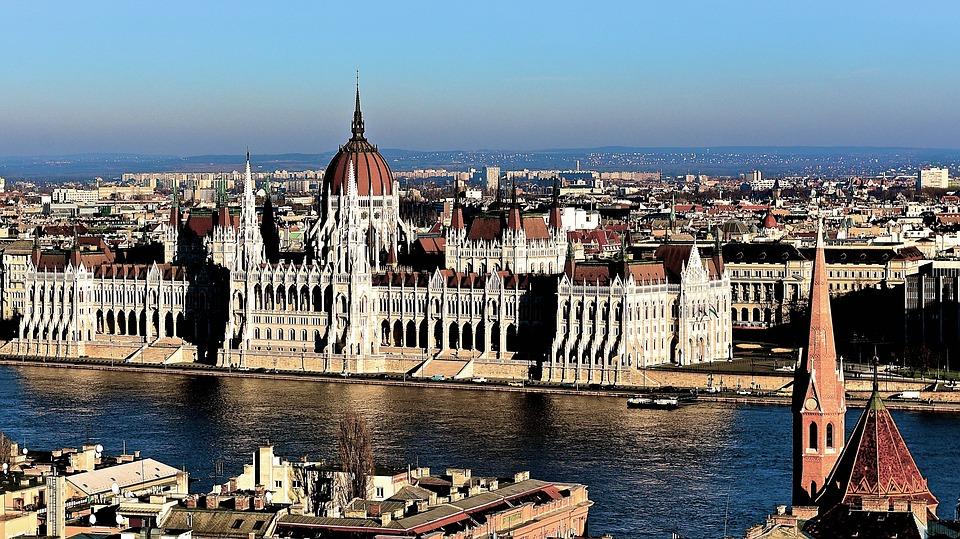
Hungary’s Diplomatic Balancing Act Amid European Strife
Hungary’s diplomatic stance towards Russia has gained important attention, particularly as tensions rise throughout Europe. The Hungarian government has opted for a measured approach, often refraining from openly criticizing Moscow’s actions. This strategy appears to be driven by a desire to maintain beneficial relationships within a complex geopolitical landscape. Several key factors contribute to Hungary’s position:
- Energy Dependence: A substantial portion of Hungary’s energy needs is met through imports from Russia.
- Cultural and Historical Ties: There exists a profound cultural and political bond between the two nations.
- Desire for Regional Stability: The government aims to avert further destabilization in Central Europe.
In contrast, Slovakia’s muted response to provocations affecting Poland highlights its commitment to maintaining regional stability. Bratislava’s silence may indicate an effort to balance solidarity with EU partners while avoiding escalation with Russia. As these provocations unfold, they could possibly disrupt alliances and compel regional leaders to reevaluate their foreign policies. An overview of Slovakia’s diplomatic strategy includes:
| Diplomatic Approach | Description |
|---|---|
| No Immediate Response | A delay in addressing tensions impacting Poland. |
| Pursuit of Unity | Aiming for stability among neighboring countries. |
| Economic Considerations | Taking economic implications into account when making diplomatic choices. |
Slovakia’s Passivity: Implications for Regional Security Amid Provocations
The current political atmosphere in Central Europe is characterized by Slovakia’s notable silence regarding recent provocations that threaten regional security, particularly those involving Poland. While Hungary opts for subtlety rather than overt criticism towards Russia, Slovakia’s lack of commentary raises crucial questions about its foreign policy direction and responsibilities within the region. This reticence may suggest an unwillingness to confront aggressive actions that endanger not only Poland but also the broader security framework of Eastern Europe.
Analysts caution that such passivity could embolden hostile states and jeopardize long-standing alliances essential for maintaining peace in the area.
The absence of decisive action can wield as much influence as taking bold steps within diplomatic circles. Slovakia’s reluctance may foster perceptions of indifference toward pressing regional issues requiring collective action and response.This lackluster stance risks undermining its credibility within groups like the Visegrád Four (V4), where unity is crucial.
Key considerations include:
- Potential Increase in Regional Tensions: Inaction might signal vulnerability, inviting further aggressions.
- Impact on Diplomatic Relations: Other nations may question Slovakia’s commitment toward addressing security challenges.
- Risking Isolation: Without proactive strategies, Slovakia could find itself increasingly marginalized amidst calls for cohesive responses from neighboring states.
Assessing Non-Criticism: Recommendations for a Unified European Response
The ongoing geopolitical situation raises critical questions regarding Hungary’s avoidance of direct condemnation towards Russia alongside Slovakia’s silence concerning recent Polish provocations; this dynamic threatens European unity against external threats.
Such non-critical stances can lead to fragmented responses among EU member states which ultimately weaken collective security efforts and strategic coherence across Europe.Countries hesitant about denouncing aggressive behaviors risk empowering unfriendly regimes-a troubling precedent that could have far-reaching implications throughout the continent.
It is imperative that EU leaders acknowledge these dynamics while reaffirming their commitment toward shared democratic values and stability.
A unified strategy aimed at managing relations with external powers remains essential for ensuring peace across Europe; several recommendations are proposed:
- Strengthening Diplomatic Engagements: Increased dialog among EU nations can promote more cohesive responses against aggression.
- Joint Statements & Resolutions: Issuing collaborative declarations condemning provocative acts would convey strong solidarity messages amongst member states.
- Coordinated Sanctions Frameworks: Establishing consistent approaches regarding economic sanctions can effectively deter future hostile actions.< / li >
- < b  >Synchronized Intelligence Sharing & Security Operations :Pursuing collaborative efforts relatedtosecuritymatterscanstrengthenoveralldefenseposture.
Conclusion: Insights into Hungary and Slovakia Amid Rising Tensions
The contrasting reactions exhibited by Hungary and Slovakia towards recent provocations in Poland highlight intricate geopolitical dynamics within Central Europe.As Hungary navigates its relationship with Russia cautiously-frequently enough sidestepping overt criticism-Slovakia’s reticence prompts inquiries into its position amid regional tension.As European states grapple with the consequences of foreign policies amid growing instability,the actions-or lack thereof-from both countries serve as critical indicators of the broader political landscape.Watchers will be closely observing how these nations align in response to ongoing challenges and whether they will adapt their strategies as circumstances evolve.










