
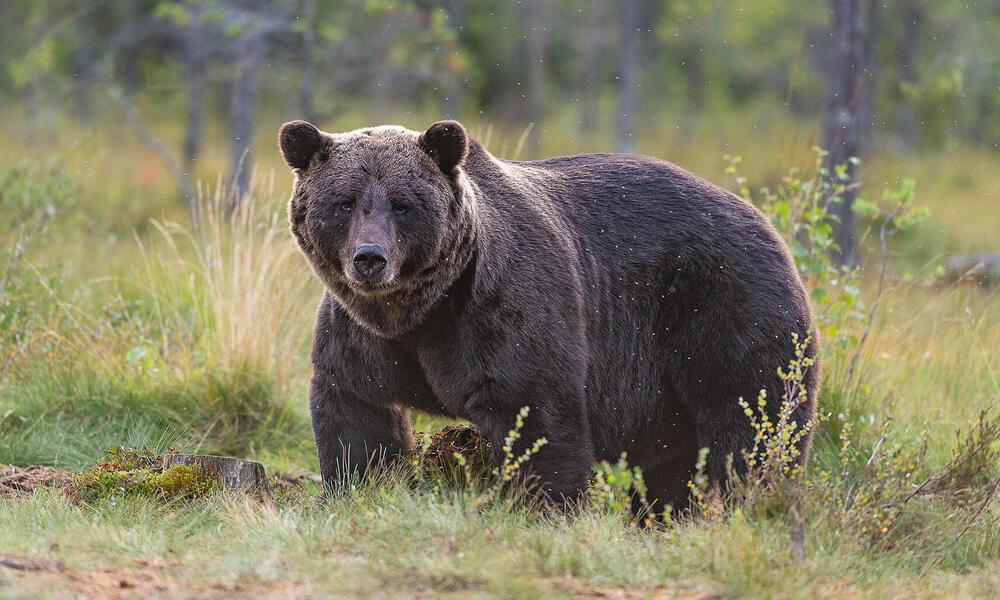
Slovak authorities have announced a controversial decision to cull 350 brown bears following a tragic fatal attack in the northern region of the country. The move, which has sparked intense debate among conservationists, local residents, and animal rights activists, comes in response to growing concerns over human-bear interactions and the rising frequency of aggressive encounters. As the government grapples with balancing wildlife management and public safety,this unprecedented action raises crucial questions about the future of bear populations in Slovakia and the challenges of coexistence in increasingly shared habitats. The decision is set against a backdrop of ongoing discussions about effective wildlife preservation strategies and the impact of human encroachment on natural ecosystems.
Slovakia Implements Controversial Bear Cull Following Fatal Incident
The decision by Slovak authorities to initiate a culling of brown bears has generated significant debate across environmental and local communities. This move comes after a recent fatal attack that heightened concerns over human-wildlife interactions in rural areas.Proponents of the measure argue that it is a necessary step to ensure the safety of local residents, highlighting instances where bear populations have encroached upon urban areas in search of food. They emphasize that effectively managing wildlife populations is critical to reducing the risk of such risky encounters in the future.
However, the plan has faced backlash from conservationists and animal rights advocates, who warn that culling will not solve underlying issues related to habitat loss and climate change. Critics contend that reducing bear populations could destabilize the ecosystem, leading to unforeseen consequences. Key arguments against the culling include:
- Impact on biodiversity: Lowering bear numbers might disrupt the food chain.
- Ethical concerns: Opponents argue that all wildlife deserves protection, irrespective of human safety concerns.
- Choice solutions: There are calls for better waste management and community awareness initiatives to reduce bear encounters.
Assessing the Impact of Wildlife Management Strategies on Bear Populations
In recent years, wildlife management strategies aimed at protecting both human populations and bear species have come under scrutiny, particularly in the wake of tragic incidents involving brown bears. Authorities are tasked with balancing ecological integrity with public safety. the decision to cull a significant number of bears highlights the complex dynamics at play in wildlife management practices. It raises questions about the effectiveness of current strategies designed to mitigate human-wildlife conflict. Some potential solutions to address these conflicts include:
- Community Education: Enhancing awareness regarding bear behaviour and safety measures.
- Bear-Proof Infrastructure: Installing bear-resistant trash containers to reduce attractants.
- Monitoring and Research: Implementing tracking technologies to better understand bear movements and populations.
Moreover, the culling raises concerns about ethical implications and the long-term sustainability of bear populations. The management strategy taken by Slovakia serves as a case study in examining how these measures impact local ecosystems.It’s crucial to analyze not onyl the immediate outcomes but also the broader consequences these actions might have on the species. A comparative analysis of bear population trends in regions with differing management approaches can illuminate potential pathways for future wildlife policies. Consider the following table summarizing various management strategies and their associated impacts:
| Management Strategy | Impact on Bear Population | Notes |
|---|---|---|
| Habitat Preservation | Positive | Supports natural bear populations |
| Culling | Negative | Reduces individual bears but may destabilize population dynamics |
| Public Education | Neutral to Positive | Reduces human-bear encounters, leading to fewer conflicts |
Balancing Human Safety and conservation efforts in Slovakia’s Forests
The recent decision to cull 350 brown bears in Slovakia, prompted by a tragic fatal attack, highlights the complex interplay between wildlife management and human safety.In areas where human populations encroach upon natural habitats, incidents such as this become increasingly likely. As bears wander into populated regions in search of food, the potential for dangerous encounters raises significant concerns. Authorities face the difficult task of protecting citizens while also considering the ecological importance of these majestic creatures, which play a crucial role in their ecosystems.
Despite the urgency of ensuring human safety,conservationists argue that such culls may not be the most effective solution. alternatives could include:
- Enhanced public education about coexisting with wildlife.
- Improved waste management to reduce attractants in urban areas.
- Establishment of wildlife corridors to help bears navigate safely.
Balancing these priorities requires a collaborative effort among government officials, conservation groups, and local communities. A strategic approach that prioritizes both safety and conservation could foster a healthier relationship between humans and wildlife in Slovakia’s forests.
Wrapping Up
Slovakia’s decision to cull 350 brown bears in the aftermath of a fatal attack highlights the ongoing complexities of wildlife management in regions where human and animal interactions increase. As authorities grapple with ensuring public safety while preserving biodiversity, this controversial measure raises questions about effective strategies for coexistence. The cull, targeting both bear populations and the underlying issues of habitat encroachment and climate change, marks a significant moment in Slovakia’s wildlife policy and underscores the urgent need for a balanced approach to conservation. As the situation develops, it remains to be seen how this difficult decision will impact both local communities and the future of Slovakia’s brown bear population.










