
Growing Dissent in Slovakia: Protests Against Fico’s Russian Alignment Amid Energy Crisis
In Slovakia, a significant wave of public discontent is emerging as citizens take to the streets to challenge Prime Minister Robert Fico’s increasing alignment with Russia during the ongoing gas crisis linked to the Ukraine conflict. Demonstrators gathered in major urban centers over the weekend, expressing fears that Fico’s policies could undermine Slovakia’s longstanding European ties and threaten its energy autonomy. As tensions rise across Eastern Europe, this domestic unrest raises critical questions about Slovakia’s geopolitical position and its commitment to European Union standards. The situation has attracted international attention, highlighting the challenges of balancing national interests within a polarized regional context.
Public Outcry Against Fico’s Russian leanings During Energy Crisis
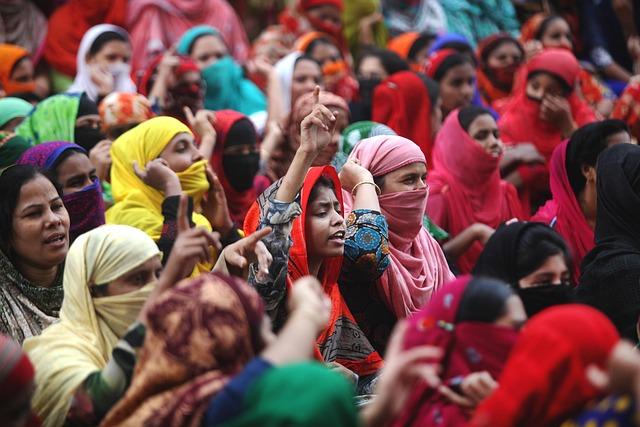
As tensions escalate in Eastern Europe, thousands have rallied in Bratislava against Prime Minister Robert Fico’s growing ties with Russia amid an ongoing gas crisis stemming from the ukraine conflict. Protesters voiced their concerns that such policies could jeopardize Slovakia’s established relationships within the European Union and possibly compromise national security. Slogans like “Not Our Gas, Not Our Alliance” echoed through the crowds, reflecting widespread anxiety regarding closer relations with Moscow.
The protest gained traction as various civic groups and opposition parties came together to demand that the government prioritize energy independence over reliance on Russian resources.Key issues raised by speakers at these events included:
- Diversification of energy sources for long-term stability.
- Potential economic consequences from increased dependence on Russia.
- Protection of democratic values and human rights against foreign influence.
The response from Fico’s administration has been one of insistence on maintaining dialog with Russia for energy stability while challenging protesters’ claims. as demands for openness grow louder among Slovak citizens, they are left grappling with how their government’s foreign policy decisions will impact their future during these turbulent times.
impact of Slovakia’s energy Policy on regional Stability
The scrutiny surrounding Slovakia’s recent energy strategies intensifies as geopolitical tensions rise due to ongoing conflicts in Ukraine and allegations regarding closer ties with Russia. Critics argue that Prime Minister robert Fico’s approach may deepen Slovakia’s dependency on Russian energy supplies, raising alarms about national sovereignty and regional stability.
The ramifications of these energy policies extend beyond Slovak borders into Central Europe at large. Stakeholders must consider several potential impacts stemming from this policy direction:
- A heightened risk of geopolitical vulnerability demanding reliance on Russian resources.
- Possible economic repercussions , including sanctions or trade barriers affecting EU partnerships.
- An influence on public sentiment , notably concerning government accountability aligned with EU principles.
| Affected Area | Description |
|---|---|
| Economic Growth | <Potential decline due to diminished foreign investment .< /td > |
| Energy Security< /td > < | Increased risk associated with overrelying on a single supplier .< /td > |
| < th support (%) >< th opposition (%) > |
|---|
| < |
Unlocking Tomorrow: H.E. Ambassador Duarte Lopes Shares Visionary Insights on Europe, North Africa, and the Mediterranean
During a recent event hosted by the Stimson Center, participants delved into a captivating discussion about the evolving relationships between...
Read moreDetails











Unlocking Tomorrow: H.E. Ambassador Duarte Lopes Shares Visionary Insights on Europe, North Africa, and the Mediterranean
During a recent event hosted by the Stimson Center, participants delved into a captivating discussion about the evolving relationships between...
Read moreDetails