
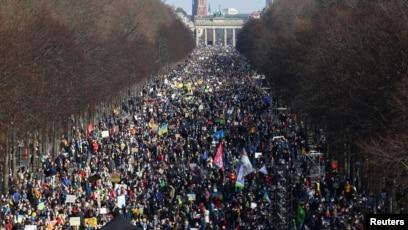
In recent weeks, Serbia has witnessed a surge in violent clashes during protests, raising alarm over the nation’s escalating social tensions. Initially sparked by grassroots movements against environmental policies and urban development projects, these demonstrations have morphed into broader expressions of public discontent, revealing deep-rooted political and economic grievances. Amidst a backdrop of increasing authoritarianism and disillusionment with government responses to urgent societal issues, the situation has devolved into confrontations between protesters and police forces. As the conflict unfolds, the need to understand the underlying factors fueling this unrest becomes paramount. This article delves into the complexities behind the eruption of violence at Serbian protests, examining the social dynamics, historical context, and political landscape that have converged to ignite these passionate and often turbulent gatherings.
Understanding the Roots of Discontent Fueling Protests in Serbia
The recent surge of protests in Serbia has highlighted a complex web of grievances that resonate deeply within the populace. At the core of this unrest lies frustration with government transparency and widespread corruption, which have left many citizens feeling disenfranchised. Economic disparities have further fueled these sentiments, as the average Serbian struggles with the rising cost of living against a backdrop of stagnant wages. As protesters fill the streets, they are not merely responding to a single event, but rather voicing a collective frustration that has simmered for years, culminating in an explosive need for change.
Key factors contributing to the current climate of dissent include:
- Political Disillusionment: Many Serbians feel their political leaders are out of touch and prioritize personal gain over the needs of the public.
- Media Control: Concerns about press freedom and the monopolization of media outlets hinder the dissemination of unbiased information, leaving citizens feeling manipulated.
- Social Inequality: A growing divide between urban and rural areas exacerbates feelings of neglect, as resources and opportunities are disproportionately allocated.
To better understand these elements, it’s essential to examine the repercussions of past policies and the societal shifts they’ve caused. The following table summarizes the major catalysts for unrest:
| Issue | Impact on Society |
|---|---|
| Corruption | Erosion of public trust in government institutions |
| Economic Hardship | Increased poverty rates and limited job opportunities |
| Media Censorship | Limited awareness and suppression of dissenting voices |
Analyzing the Role of Government Policies in Escalating Violence
Recent escalations in violence during protests in Serbia have raised critical questions about the impact of government policies on public dissent. Frustration among citizens over issues such as economic instability, corruption, and the perceived erosion of democratic values has been steadily growing. As security forces clash with demonstrators, the response of the government has sparked widespread debate. Critics argue that heavy-handed tactics, including the use of tear gas and rubber bullets, have only aggravated tensions, pushing individuals further into confrontation. Key policies that have contributed to this unrest include:
- Crackdowns on Freedom of Speech: Increased censorship and restricted media freedoms have stifled public discourse.
- Economic Austerity Measures: Policies aimed at budget cuts have led to rising unemployment and social discontent.
- Repression of Civil Society: Actions aimed at limiting the role of NGOs have curtailed community engagement and advocacy.
Furthermore, a lack of genuine dialogue between authorities and citizens exacerbates feelings of alienation among the populace. The absence of transparent governance practices has created an environment ripe for distrust. To illustrate the disconnect, the following table shows recent protest motivations alongside government responses:
| Protest Motivation | Government Response |
|---|---|
| Rising Living Costs | Increased police presence |
| Corruption Allegations | Dismissive public statements |
| Call for Democratic Reforms | Surveillance and intimidation |
Strategies for Constructive Dialogue and Peaceful Resolution in Serbian Protests
In order to foster meaningful dialogue during protests and mitigate the potential for violence, several strategies can be employed by both organizers and authorities. Engaging in active listening is a critical first step; it allows each party to understand the concerns and motivations driving the opposing side. This can be effectively facilitated through community forums and moderated discussions that aim to create a safe space for sharing grievances. Furthermore, establishing a clear communication channel among stakeholders can help reduce uncertainties and prevent escalation of tensions, enabling participants to express their views in a constructive manner.
Another essential strategy is the promotion of nonviolent actions to encourage peaceful protest methods. Organizers should emphasize the importance of peaceful assembly, utilizing symbols of unity and solidarity rather than division. Additionally, implementing conflict resolution training can equip leaders and participants with the skills necessary to deescalate potential confrontations. Community-based workshops that focus on understanding diverse perspectives can also be valuable in cultivating an atmosphere of respect and cooperation. Ultimately, building bridges rather than walls will be crucial in navigating the complexities of civic unrest and striving towards sustainable peace.
Wrapping Up
In conclusion, the recent surge of violence at protests in Serbia highlights a complex interplay of political discontent, societal grievances, and the lingering effects of economic strife. As citizens express their frustrations over government policies and perceived injustices, the situation calls for both careful attention and constructive dialogue from all stakeholders. The escalating tensions serve as a reminder of the need for addressing the root causes of unrest in order to foster a more stable and cohesive society. As Serbia navigates this turbulent period, the world watches closely, waiting to see whether the lessons of these protests will lead to meaningful change or further entrench divisions. The path forward remains uncertain, but the voices of the people demand to be heard.










