
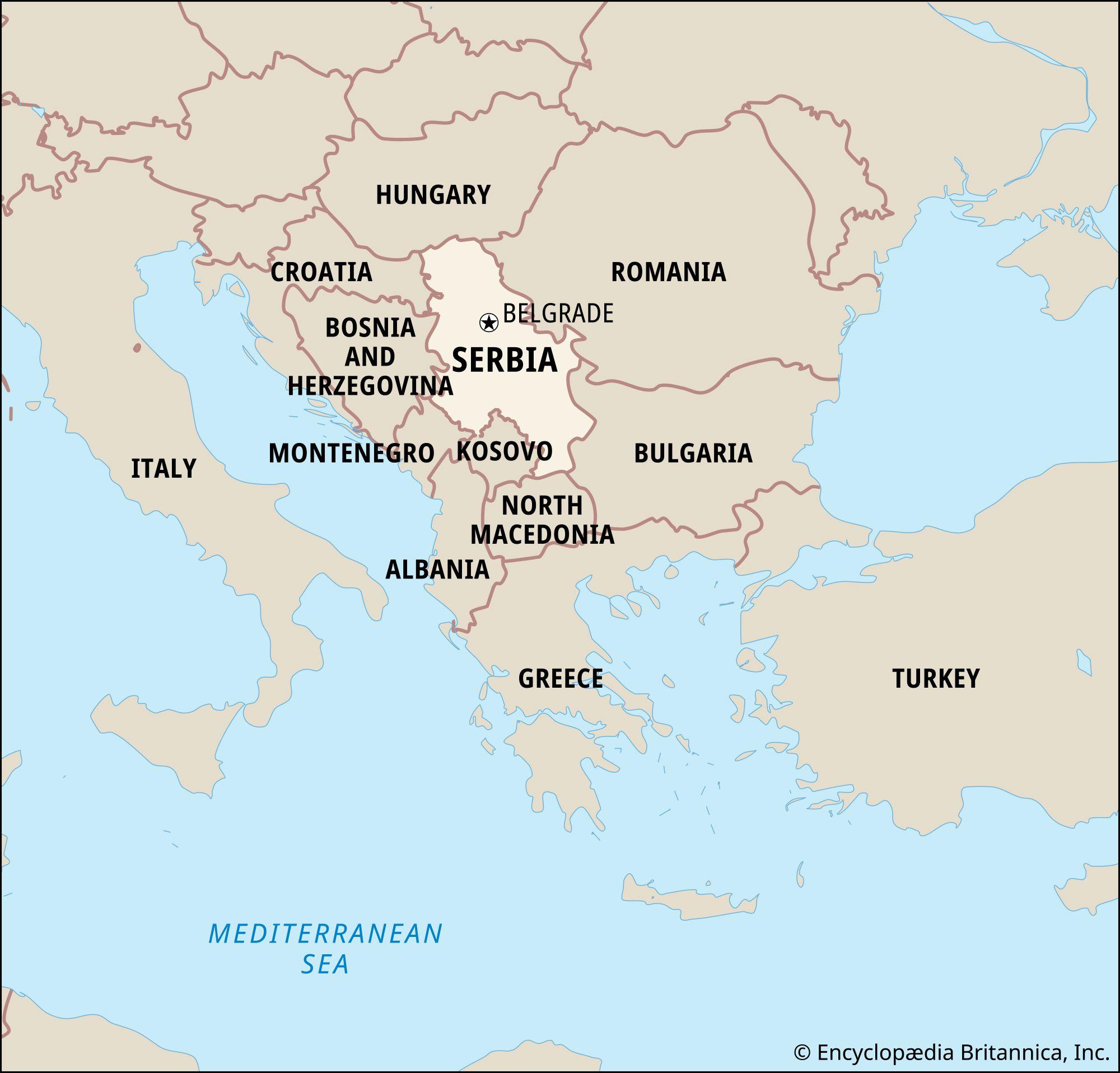
Serbia Joins SEPA: A Milestone for Regional Financial Integration
In a meaningful move towards fostering financial integration within Europe, Serbia has officially become a member of the Single Euro Payments Area (SEPA). This landmark decision marks a pivotal moment for the nation’s banking sector and its economic landscape, enabling seamless euro-denominated transactions across member states. As part of this initiative, Serbian businesses and consumers can expect streamlined payment processes, reduced transaction costs, and enhanced access to European markets. The integration into SEPA not only strengthens Serbia’s ties with the European Union but also positions the country as a burgeoning player in the regional financial ecosystem. In this article, we delve into the implications of Serbia’s SEPA membership, exploring its impact on local businesses, consumers, and the broader European economic framework.
Serbia Adopts SEPA: Implications for Financial Transactions in the Region
Serbia’s recent integration into the Single Euro Payments Area (SEPA) marks a significant turning point for financial transactions within the region. This move facilitates smoother and more cost-effective transfers not just for individuals but also for businesses. The benefits of adopting SEPA include:
- Increased efficiency: Transactions can be completed within one business day.
- Cost reduction: Lower fees for cross-border payments will benefit both consumers and businesses.
- Greater accessibility: A standardized payment process smoothens operations and encourages e-commerce growth.
As Serbia aligns its payment system with SEPA standards, it is expected to bolster economic collaboration with other European nations. This alignment could lead to:
- Enhanced trade relationships: Easing cross-border transactions will promote export and import activities.
- Attracting investments: A reliable payment structure may entice international investors seeking a stable economic surroundings.
- Innovation in financial services: Local banks can develop new products catering to the evolving needs of a more interconnected economy.
Enhancing Cross-Border Payments: Benefits of Serbia’s SEPA Membership
Serbia’s recent membership in the Single Euro Payments Area (SEPA) marks a pivotal moment for the nation’s financial ecosystem. By aligning with SEPA, Serbia can now facilitate instant and cost-effective cross-border transactions that were previously hindered by various barriers. This membership grants Serbian businesses and consumers access to a broader European market,leading to improved trade relations and economic growth. Among the notable benefits of this advancement are:
- Streamlined Transfer Processes: Transactions are executed in a standardized manner, reducing processing time.
- Lower Transaction Costs: Elimination of hidden fees associated with currency conversion.
- Enhanced Payment Security: Greater compliance with European standards increases the overall safety of transactions.
Moreover, the integration into SEPA positions Serbia strategically within the EU financial framework, possibly attracting foreign investments and fostering partnerships with other SEPA member states. This enhances the country’s financial reputation and creates opportunities for local banks to offer an expanded range of services. To illustrate the economic impact, the table below highlights potential transaction improvements for various segments:
| Transaction Type | Before SEPA | After SEPA |
|---|---|---|
| Domestic Payment | 1-3 Days | Instant |
| Cross-Border Payment | 3-5 Days | 1 Day |
| Fees per Transfer | €5-€20 | €0-€5 |
Key Strategies for Businesses to Leverage SEPA Integration in Serbia
With Serbia’s recent entry into the Single Euro Payments Area (SEPA), businesses can optimize their payment processes substantially.Companies should focus on enhancing payment efficiency by integrating SEPA-compliant systems that streamline transactions, reduce costs, and expedite processing times. This integration enables businesses to conduct cross-border transactions effortlessly, thereby facilitating smoother trade operations within the European Union. By adopting standardized payment formats such as SEPA Credit Transfer and SEPA Direct Debit, organizations can minimize errors and discrepancies, leading to improved cash flow management.
Moreover, businesses should prioritize customer experience by offering more flexible payment solutions. Implementing SEPA integration allows companies to accept payments in euros without facing currency conversion issues, catering to a broader customer base. To further capitalize on this chance, businesses can engage in strategic partnerships with local banks and fintech providers to deploy secure payment gateways and enhance fraud protection measures. By focusing on these key strategies, Serbian businesses can not only streamline their operations but also pave the way for long-term growth in the increasingly interconnected European market.
Final Thoughts
Serbia’s integration into the Single Euro Payments Area (SEPA) marks a significant milestone in the country’s financial landscape. This development not only streamlines cross-border transactions but also fosters greater economic collaboration with European nations. As businesses and consumers in Serbia adapt to this new payment framework, the benefits of faster, more secure transactions will likely stimulate economic growth and enhance competitiveness. The move aligns Serbia with European standards, paving the way for deeper integration into the European economy. As the region continues to evolve, the implications of Serbia’s participation in SEPA will be closely monitored by industry experts and policymakers alike. For the full implications and future developments, stay informed with The Paypers.










