
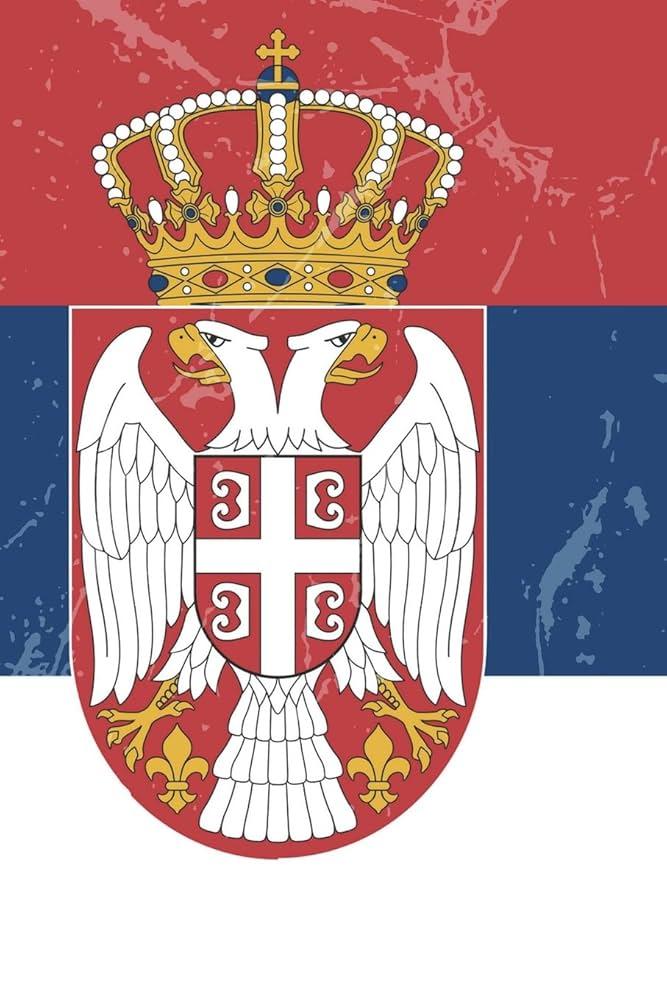
President Vučić of Serbia: “We Are Not a Threat to Türkiye”
In a significant statement that has drawn the attention of geopolitical experts, Serbian President Aleksandar Vučić asserted that Serbia does not represent any threat to Türkiye, emphasizing the nation’s limited role in the regional landscape. His remarks come at a time of increasing tensions in the Balkans and ongoing discussions about security and cooperation between both countries. Vučić aims to clarify Serbia’s position while projecting an image of stability as both nations navigate their roles within a complex web of alliances and historical disputes. Analysts are closely monitoring how these comments will influence future relations between Belgrade and Ankara, as well as their broader implications for regional security frameworks.
Serbia and Türkiye: A Discussion on Regional Security
At a recent press briefing, President Vučić reiterated that Serbia poses no threat to Türkiye despite existing regional strains. He underscored historical ties and potential collaborative opportunities between the two nations. Vučić stated emphatically, “Serbia is too small to be seen as a danger to Türkiye; our aim is partnership rather than conflict.” This declaration underscores Serbia’s desire to navigate complex geopolitical terrains while simultaneously strengthening bilateral relations. The Serbian leader also reaffirmed his dedication towards fostering stability in the Balkans by emphasizing dialogue and collaboration as vital elements for mutual security.
Vučić’s statements arrive during a period when Southeastern Europe is witnessing intensified security dynamics, prompting countries in the region to reassess their defense strategies and alliances. In light of these complexities, he identified several key areas where collaboration with Türkiye could yield positive outcomes:
- Economic Development: Strengthening trade ties through joint ventures.
- Energy Cooperation: Partnering on energy initiatives aimed at enhancing energy autonomy.
- Cultural Exchange: Promoting cultural interactions that build understanding among citizens.
This perspective reflects Serbia’s diplomatic approach which seeks balance between national interests and regional interdependence realities. By positioning Serbia as an ally rather than an adversary, Vučić aims at reinforcing stability while mitigating tensions surrounding Balkan security discussions.
Exploring Serbia’s Geopolitical Positioning and Defense Capabilities
The assertion made by President Aleksandar Vučić regarding Serbia’s non-threatening military stance towards Türkiye highlights its relatively modest military capabilities alongside its geopolitical context. This statement emerges against a backdrop characterized by historical conflicts within the Balkans amidst shifting regional dynamics where Serbia strives for equilibrium among traditional alliances while cultivating new partnerships. Emphasizing dialogue over confrontation remains central for Vučić who seeks stronger connections with both Türkiye and European Union entities.
The military strategy adopted by Serbia primarily focuses on defense rather than aggression; several factors shape this strategic orientation:
- Tactical Partnerships: Collaborations with Russia and China alongside efforts toward closer NATO relations.
- MILITARY MODERNIZATION:: Ongoing enhancements aimed at bolstering defense capabilities.
- Pursuit of Regional Stability:: A commitment towards peaceful resolutions within Balkan territories preventing escalation scenarios.
The following table provides insights into key military statistics comparing both nations:
| Description | Serbia | Türkiye |
|---|---|---|
| Total Active Personnel | <28,000 | <355,000 |
| Defense Budget (in USD) <
td >1 .6 billion <
td >20 billion >< / tr > << tr > << td>Main Battle Tanks | 3 ,700 |










