
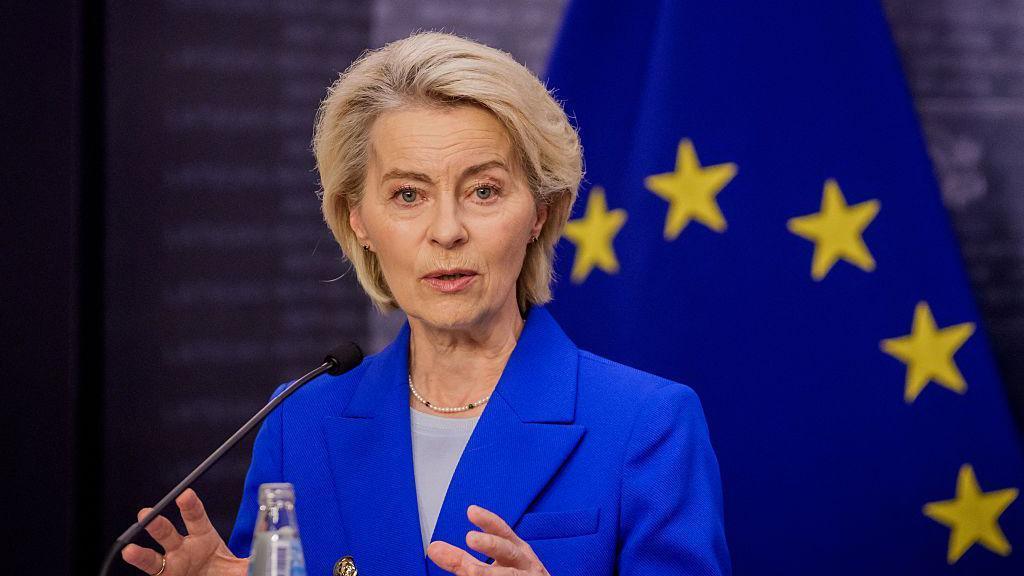
In a pivotal moment for Serbia’s European Union accession aspirations, EU Chief Ursula von der Leyen has called on President Aleksandar Vucic to take tangible steps toward strengthening the rule of law in the country. As part of an ongoing dialogue aimed at enhancing Serbia’s alignment with EU standards, von der Leyen’s urging underscores the bloc’s insistence on substantive reforms as a non-negotiable prerequisite for membership. With concerns mounting over democratic backsliding in the Western Balkan nation, the EU’s demand for concrete actions signals a critical juncture in Serbia’s path toward integration. This article delves into the implications of von der Leyen’s remarks, the state of rule-of-law reforms in Serbia, and the challenges that lie ahead for Vucic’s government in meeting EU expectations.
EU Demands Clarity on Serbia’s Commitment to Rule-of-Law Reforms
European Union leaders have expressed growing concerns regarding Serbia’s commitment to implementing essential reforms that uphold the rule of law. In a recent statement, the EU’s chief emphasized the necessity for President Aleksandar Vucic to move beyond vague intentions and present a clear roadmap detailing specific actions and timelines for these critical reforms. This call comes in the wake of stalled negotiations and increasing skepticism among EU member states about Serbia’s dedication to aligning with European standards and values.
Key areas of reform highlighted by Brussels include:
- Judiciary Independence: Ensuring that judicial processes are free from political influence.
- Anti-Corruption Measures: Strengthening mechanisms to combat corruption within public institutions.
- Media Freedom: Guaranteeing a safe environment for journalists and safeguarding press freedoms.
- Human Rights: Addressing concerns related to the treatment of minority groups and enhancing protections for all citizens.
The EU has reiterated that Serbia’s progress in these areas is crucial not only for its accession aspirations but also for fostering a stable and democratic region. Failure to meet these criteria could further isolate Serbia from potential EU integration opportunities.
Vucic’s Leadership Under Scrutiny as EU Pressures for Concrete Action
Under increasing scrutiny from European Union representatives, President Aleksandar Vucic faces mounting pressure to address persistent concerns surrounding rule-of-law reforms in Serbia. The EU has emphasized the necessity for tangible action rather than mere rhetoric, signaling dissatisfaction with the pace of judicial and institutional changes. Vucic’s administration, which has often touted its commitment to European integration, now finds itself at a critical juncture, needing to demonstrate real progress to maintain credibility both domestically and in diplomatic relations.
Key areas highlighted by EU officials include the strengthening of judicial independence, combating corruption, and ensuring media freedom. The lack of substantial advancements in these sectors raises doubts about Serbia’s readiness for increased EU integration. Experts suggest that the following measures should be prioritized:
- Judicial reforms: Implement laws that ensure impartiality and fairness in the judicial system.
- Anti-corruption initiatives: Establish transparent mechanisms for accountability in government and public institutions.
- Media freedom protections: Create a safe environment for journalists, promoting investigative reporting without fear of reprisals.
Implications of EU’s Stance on Serbia’s European Integration Prospects
The European Union’s recent call for tangible rule-of-law reforms from Serbian President Aleksandar VuÄ�ić signals a pivotal moment in Serbia’s pursuit of EU membership. The EU’s insistence on concrete actions reflects a wider strategy to ensure that candidate countries uphold democratic principles and human rights. As Serbia navigates its path toward integration, the emphasis on legal transparency and judicial independence becomes increasingly paramount. This renewed push presents both opportunities and challenges for Serbia, as it must align its governance structures with EU standards to maintain momentum in the accession process.
Additionally, the EU’s stance on Serbia is likely to influence regional dynamics significantly. As Western Balkan nations watch closely, VuÄ�ić’s response could set a precedent for how the EU engages with other candidates in the region. A failure to commit to substantial reforms may not only hinder Serbia’s accession but also diminish the EU’s credibility as a transformative power in the Balkans. This context raises critical questions about the future of the region’s stability and the EU’s role in fostering democratic governance, as member states consider the broader implications of Serbia’s reform trajectory for their own aspirations toward EU integration.
Insights and Conclusions
In conclusion, the EU’s push for concrete action from Serbia’s President Aleksandar Vucic on rule-of-law reforms underscores a pivotal moment for the country’s European integration aspirations. With the EU’s commitment to supporting Serbia’s path towards membership, the onus now lies with Vucic to translate political rhetoric into tangible reforms. As negotiations continue, the direction of Serbia’s relations with the EU and its broader democratic trajectory will hinge on the effectiveness of these efforts. Stakeholders across the region will be watching closely, as the outcomes will not only influence Serbia but also shape the future of the Balkans in the context of European unity. As conversations surrounding governance, transparency, and accountability persist, the time for decisive action is now evident.










