
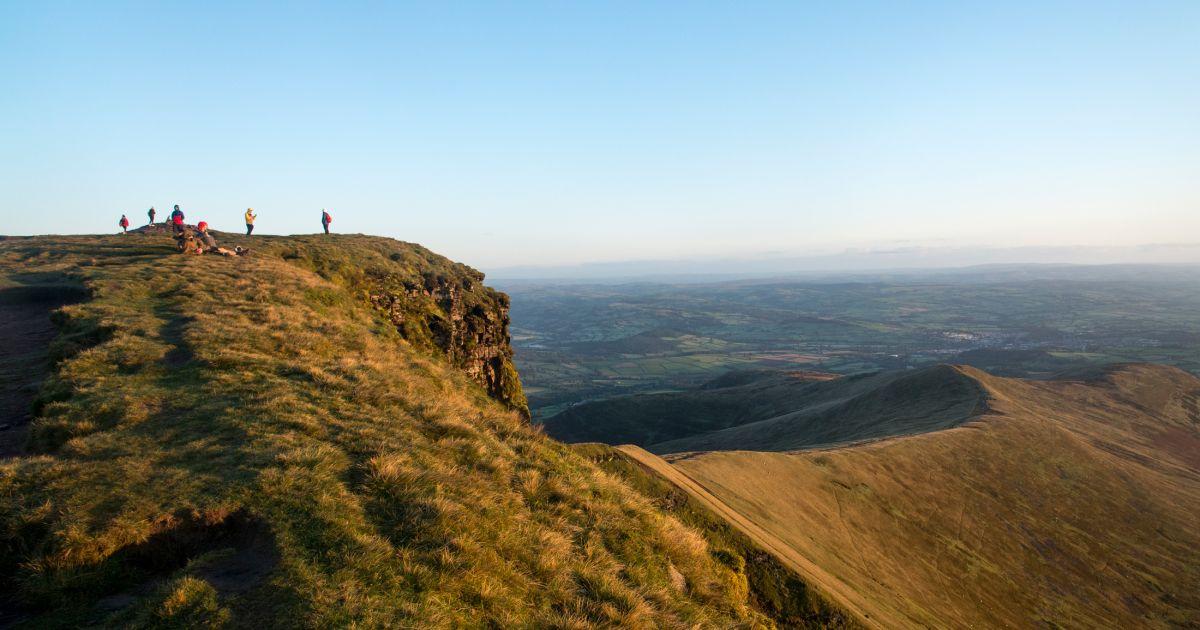
Embracing Nature: Scotland’s Right to Roam
Scotland is celebrated not only for its breathtaking scenery, where lush hills meet striking coastlines, but also for a unique legal framework known as the Right to Roam. Established by the Land Reform (Scotland) Act of 2003, this pioneering legislation grants hikers and outdoor enthusiasts the freedom to explore vast expanses of Scottish countryside without the typical restrictions found in many other regions. As more people seek refuge in nature and partake in outdoor activities, Scotland’s progressive stance on land access stands as a model for balancing public enjoyment with landowner rights. This article delves into the importance of the Right to Roam, its impact on local communities and ecosystems, while highlighting the responsibilities that accompany such freedoms-all while celebrating Scotland’s rugged charm as a top hiking destination.
Exploring Scotland’s Right to Roam and Its Impact on Hikers
The Right to Roam legislation in Scotland offers remarkable freedom for hikers and nature enthusiasts alike, allowing them to traverse stunning landscapes beyond conventional paths. This forward-thinking policy permits walkers access across both public and private lands provided they respect local communities and natural habitats. The surge in visitors has been significant; adventurers from around the globe are drawn to trails that meander through the Highlands, rolling hills of Borders, and scenic Hebridean shores.
However, this newfound liberty comes with essential responsibilities. Hikers are encouraged to adhere to the Outdoor Access Code, which promotes environmental stewardship by advocating practices that reduce human impact on nature. Key recommendations include:
- Protecting Wildlife: Avoid causing disturbances during critical nesting seasons that could negatively affect local species.
- Avoiding Off-Trail Hiking: Whenever possible, stick closely to established paths so as not disrupt delicate ecosystems.
- Cultivating Community Relations: Engaging respectfully with locals fosters mutual understanding.
This careful balance between accessibility and conservation reflects Scotland’s ethos regarding land use-creating a haven for explorers while ensuring environmental protection for future generations. Ongoing dialogues among landowners, conservationists, and outdoor enthusiasts will shape how this cherished tradition evolves over time-ensuring that Scotland remains an iconic destination for those seeking adventure.
Key Access Rights Every Outdoor Enthusiast Should Know
The landmark legislation surrounding Scotland’s Right to Roam provides unparalleled opportunities for exploration across much of its countryside with minimal limitations. While enjoying these privileges is vital; it is equally important that individuals show respect towards both nature itself and those who inhabit these lands. To enhance your hiking experience responsibly consider adhering closely to these guidelines:
- No Trace Left Behind: Always dispose of waste properly while minimizing your ecological footprint.
- < strong >Avoid Disturbing Wildlife:< / strong > Observe animals from afar without encroaching upon their habitats.
<< li >< strong >Adhere To Local Regulations:< / strong > Familiarize yourself with specific access rules or recommendations relevant within your chosen area.< / li >
<< p >Additionally , hikers should remain aware of regions where access may be limited or necessitate prior permission . For example , private properties or sensitive ecological zones often have designated routes . The following table outlines key considerations regarding access rights :
<< table class="wp-table" >
< >
<> <
>Type Of Area< / th >
<>Access Rights< / th >
<>Permission Required?< / th >
><<
>
<<>
<<>Public Lands<< >
<<>Full Access<< >
<<>No<< >
<<>>
<<>
<<>Private Lands<< >
<<< td >>Limited Access< / td >
<<< td >>Yes , when indicated< / td >
>
<<=tr>>
<<=td>>Protected Areas<>
<<=td>>Access Permitted On Trails<>
<<=td>>Refer To Local Guidelines<>
<=//tr>>>
<=//tbody>>>
>> < h2 id = "protecting-nature-best-practices-for-responsible-hiking-in-scotland" >Protecting Nature: Best Practices For Responsible Hiking In Scotland< p>The awe-inspiring vistas throughout Scotland invite adventurers into its majestic mountains , serene lochs ,and lush glens . However , alongside this freedom comes an obligation-to safeguard these extraordinary environments . Ensuring future generations can revel in similar natural wonders necessitates adopting sustainable hiking habits . Here are some best practices every hiker should embrace : - < li >< strong >Stay On Designated Paths:< strong /> Utilize established trails whenever possible so as not damage surrounding ecosystems.< li />
- < strong >Leave No Trace:< strong /> Remove all litter including food remnants packaging.< li />
- < strong >Respect Wildlife:< str ong /> Maintain distance from animals avoiding disruption their habitats.< li />
- < str ong >Plan Ahead:< str ong/> Research routes prepare adequately changing weather conditions prevent unnecessary strain landscape.< li />
Additio nally,hikers encouraged consider social cultural impacts journeys engaging local communities respecting customs fosters connection mutual understanding Moreover,supporting nearby businesses along way enriches experiences contributes economic sustainability regions Here impactful ways ensure adventures benefit you places explore :
- < li >< str ong>Sourcing Locally : Buy supplies stores instead larger chains support community.< li />
- < str ong>Keen Awareness : Participate initiatives educational programs promote conservation efforts locally.< li />
- < str ong>Sensible Sharing : Use social media responsibly raise awareness environment responsible hiking practices.< li />
Concluding Thoughts
In conclusion,the right-to-roam legislation signifies a monumental achievement promoting outdoor freedom allowing hikers immerse themselves stunning landscapes few restrictions.This unique legal structure encourages appreciation diverse ecosystems cultural heritage.As discussions around conservation responsible recreation evolve principles embedded within law likely play pivotal role shaping future hiking land use.Scotland invites explorers venture beyond traditional confines fully embrace great outdoors ensuring respect towards lands owners preserves right roam sustainable privilege generations ahead.
Unlocking Tomorrow: H.E. Ambassador Duarte Lopes Shares Visionary Insights on Europe, North Africa, and the Mediterranean
During a recent event hosted by the Stimson Center, participants delved into a captivating discussion about the evolving relationships between...
Read moreDetails









