
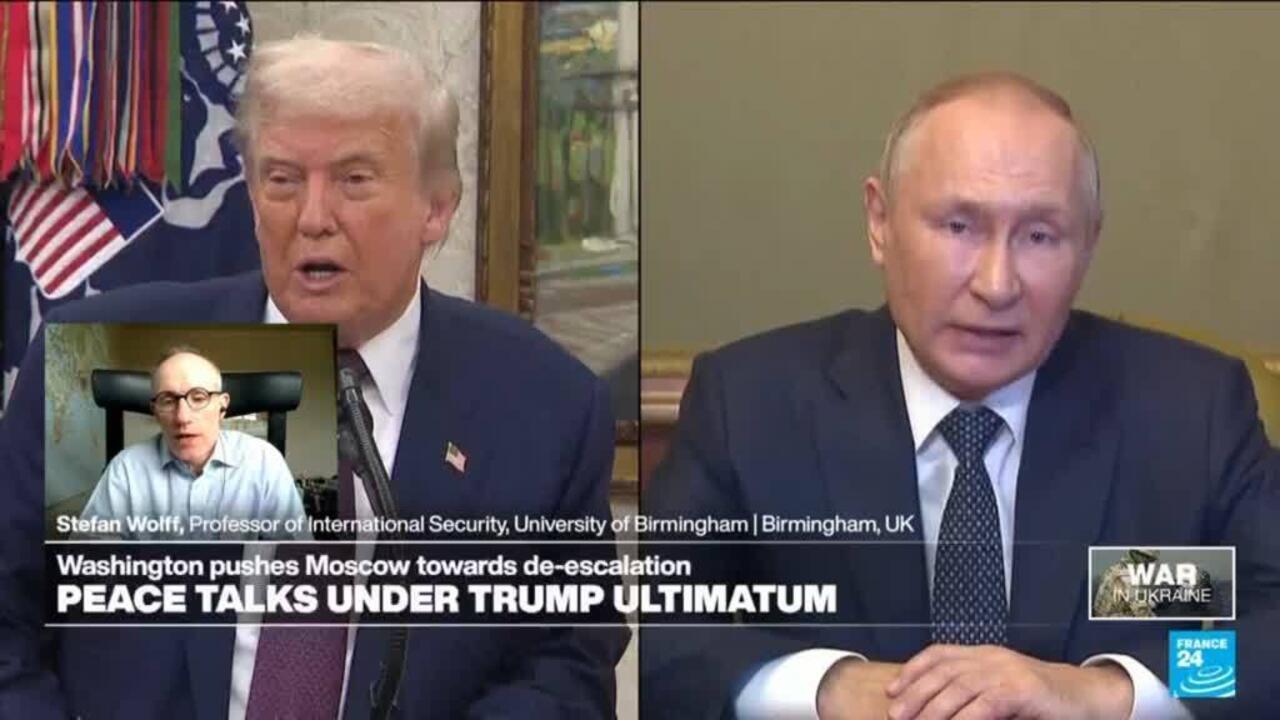
In a recent speech that has sparked notable discussions in European political circles, Hungarian Prime Minister Viktor Orbán voiced his concerns about the implications of renewed diplomatic exchanges between former U.S.President Donald Trump and Russian President Vladimir Putin. At a conference,Orbán warned that Europe risks becoming “marginalized” in an evolving geopolitical context if these two influential leaders engage without taking into account European viewpoints. This statement highlights the delicate balance of power in international relations and raises critical questions about Europe’s role and influence in ongoing global conversations. As various stakeholders assess the potential outcomes of such interactions, Orbán’s remarks serve as a stark reminder of the challenges facing Europe’s diplomatic efforts amid rising tensions and changing alliances.
The Risk of European Marginalization in Trump-Putin Dialogue
Hungarian Prime Minister Viktor Orbán recently raised alarms regarding the possible consequences arising from renewed dialogues between Donald Trump and Vladimir Putin. He expressed fears that these discussions could lead to Europe being “marginalized,” diminishing its importance in crucial geopolitical issues. This perspective resonates with widespread concerns among European leaders about shifting trends in international relations, notably as both Russia and the U.S. appear to be moving toward closer collaboration-perhaps at Europe’s expense. Orbán’s observations underscore an urgent need for Europe to assert its presence to avoid being overshadowed by this emerging bi-polar discourse.
European officials must adopt a proactive stance moving forward, focusing on key areas likely impacted by this shift:
- Security Alliances: There may be an increased necessity for European nations to strengthen defense collaborations aimed at ensuring regional stability.
- Trade Agreements: Reevaluating trade agreements with both Russia and the U.S., while ensuring alignment with EU economic interests will become crucial.
- Diplomatic Strategies: A push for more robust diplomatic frameworks is essential for asserting Europe’s position on global platforms.
The escalating tensions between Eastern and Western powers make Orbán’s warnings particularly relevant; it marks a critical juncture where strategic partnerships could dictate Europe’s future relevance on the world stage. The repercussions following any dialogue between Trump and Putin are poised to reshape geopolitical dynamics for years ahead.
Impact on EU Unity and Strategic Adaptations to New Challenges
The comments made by Hungarian Prime Minister Viktor Orbán regarding Europe’s potential marginalization highlight an urgent call for reassessment within the European Union concerning its unity and strategic direction.In an era marked by high-stakes negotiations involving powerful figures like Trump and Putin, there exists a tangible risk that EU influence may diminish on international platforms if member states respond inconsistently or fragmentarily-this could further deepen existing divisions within the bloc, undermining collective negotiating power against emerging geopolitical challenges.
This scenario necessitates collaborative efforts among EU leaders aimed at crafting cohesive strategies that reinforce their collective role in global diplomacy amidst evolving threats:
- Diplomatic Strengthening: Enhancing engagement tactics with allies as well as adversaries can help maintain relevance on international issues.
- Military Collaboration Enhancement: Increased defense cooperation among member states can fortify collective security while preparing them against potential threats.
- Pursuing Economic Resilience: Formulating strong economic policies designed to safeguard EU interests amid global competition is vital for maintaining stability.
- Cultivating Unity through Shared Values: Reinforcing common democratic principles across member nations can enhance moral authority while bolstering public support globally.
| Main Focus Areas | Aim Outcomes | ||||||||||
|---|---|---|---|---|---|---|---|---|---|---|---|
| Diplomatic Initiatives | A greater impact on global negotiations | ||||||||||
| Military Cooperation | <Enhanced security measures << tr > Navigating The Future: Recommendations For European Leadership In Global AffairsThe current climate dominated by populism necessitates proactive engagement from European leaders within global affairs. By enhancing diplomatic relationships with both established allies and also emerging powers, Europe can amplify its voice while mitigating risks associated with being sidelined during critical discussions. Prioritizing multi-tiered diplomacy allows leaders across Europe not only cultivate strong partnerships but also tackle pressing issues such as climate change impacts or security challenges collaboratively. Investments into regional alliances alongside multilateral institutions should form foundational elements underpinning this strategy so they remain key players internationally. Moreover adapting effectively requires emphasizing strategic interaction approaches; thus engaging stakeholders worldwide necessitates refining narratives around shared values along collective security frameworks. This might involve launching joint public diplomacy campaigns alongside cultural exchange programs designed specifically fostering mutual respect & understanding amongst diverse populations globally! Implementing extensive frameworks addressing misinformation whilst building resilience against external pressures remains paramount too! By actively participating across various platforms inclusive all major players involved ensures their perspectives included avoiding isolation warned previously mentioned figures like Mr.Orbà n himself! Below outlines key priorities guiding future leadership endeavors:
|










