
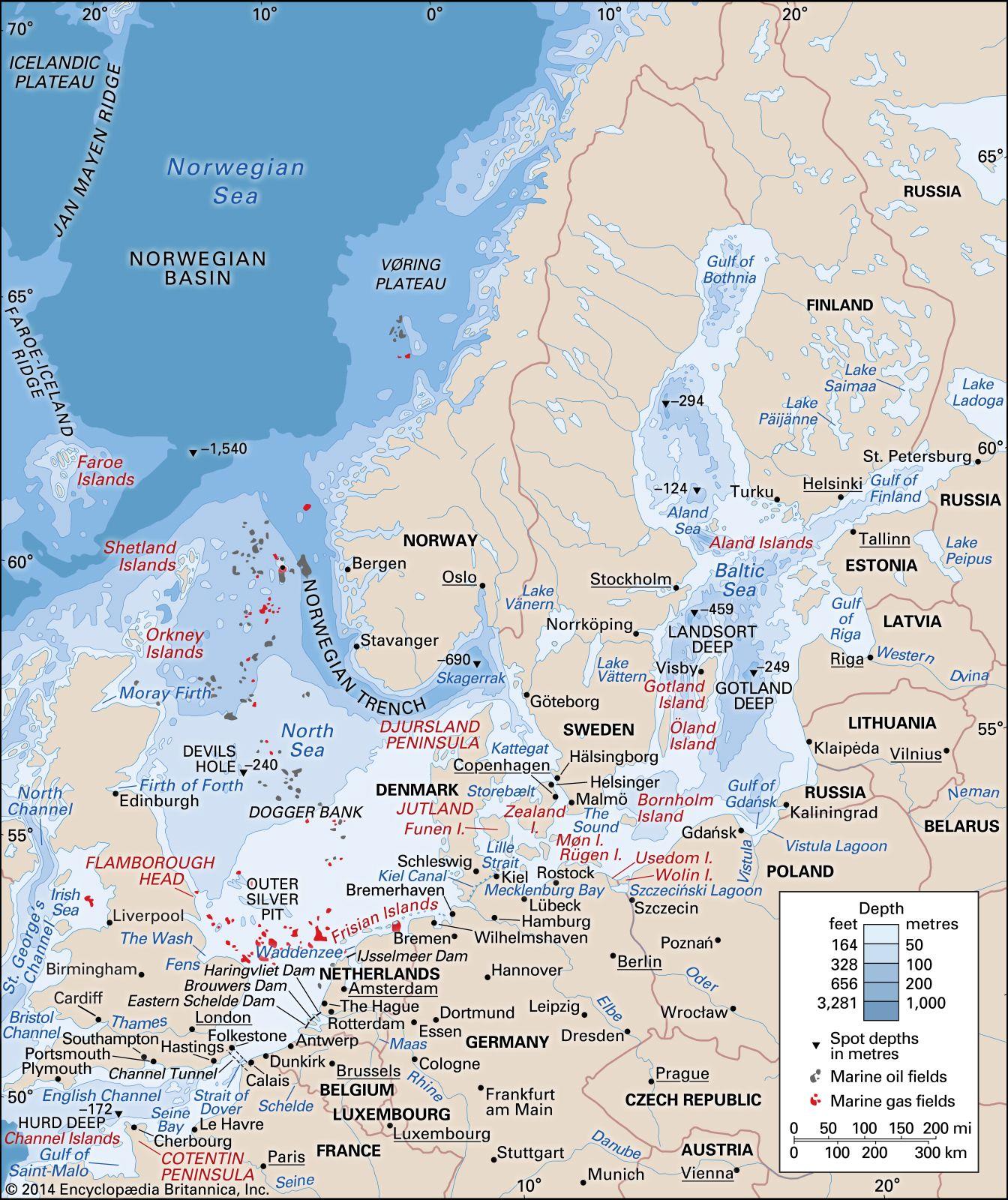
In an era marked by a global push for sustainable energy solutions and a transition away from fossil fuels,the North Sea has emerged as a critical front in the energy landscape. The United Kingdom and Norway, two of the region’s key players, are charting markedly different courses in their energy strategies, raising questions about the implications for regional cooperation, economic stability, and environmental stewardship. As both countries navigate the complexities of energy production, regulatory frameworks, and international commitments, their divergent paths reveal not only their national priorities but also the broader challenges facing Europe in its quest for energy security amid a changing climate.In this article,we delve into the contrasting approaches of the UK and Norway,exploring how these decisions may shape the future of the North Sea and the energy market at large.
Diverging Energy Strategies: UK and Norway Navigate Conflicting Futures
As the United Kingdom grapples with its energy future amid political shifts and public scrutiny, Norway has adopted a more stable and progressive approach. The UK government has proposed ambitious targets for renewable energy, aiming for a dramatic shift towards wind and solar power in the coming decades.Though, associated challenges, such as investment hesitancy and infrastructure issues, create uncertainty.Key elements defining the UK’s strategy include:
- Increased investment in offshore wind farms – expected to produce 50 GW by 2030.
- Phasing-out coal – aiming for a complete exit by 2024.
- Support for nuclear power – promoting its role as a low-carbon energy source.
Conversely, Norway continues to emphasize its role as a stable gas supplier, maintaining a balanced approach that includes renewable energy initiatives but does not sacrifice its lucrative oil and gas sector. This juxtaposition allows Norway to ensure energy security both domestically and for European partners.The following points highlight Norway’s strategic commitments:
- Expansion of gas exports – aiming to reduce reliance on Russian gas in Europe.
- Investments in carbon capture technology – targeting net-zero emissions by 2050.
- Renewable initiatives – increasing the share of hydropower and wind, but maintaining oil exploration.
| Strategies | UK | Norway |
|---|---|---|
| Energy Transition Focus | Renewables | Gas and Renewables |
| Coal Phase-Out | By 2024 | N/A |
| Future Renewable Targets | 50 GW by 2030 | Increased hydropower and wind |
Renewable Ambitions and Fossil Fuel Realities: A Comparative Analysis
The juxtaposition of the energy strategies of the UK and Norway highlights the divergent paths of two neighbors in the North Sea. While Norway continues to capitalize on its extensive natural gas and oil reserves, positioning itself as a reliable energy supplier to Europe, the UK is navigating a complex transition towards renewable energy sources. The British government has set ambitious targets for achieving net-zero emissions by 2050, promoting investments in wind, solar, and other renewable technologies. However, this shift has been met with challenges, such as policy inconsistencies and rising costs that have put pressure on traditional energy consumers.
In contrast, Norway’s approach leverages its robust oil and gas sector to finance a green transition. The country has prioritized investments in renewable projects,including hydropower,wind,and electrification of transportation. Key factors that shape these differing strategies include:
- Resource Availability: Norway’s wealth of hydrocarbons provides a foundation for funding renewable innovations.
- Regulatory Framework: The UK’s stringent environmental policies aim to phase out fossil fuels, while Norway maintains a balanced approach.
- Market Dynamics: Fluctuating energy prices impact funding and growth timelines for renewable projects in both nations.
| Aspect | UK | Norway |
|---|---|---|
| Current Energy Mix | Increasing share of renewables | Stable oil and gas with growing renewables |
| Government Goals | Net-zero by 2050 | Sustainability alongside fossil fuel development |
| Investment Focus | Wind, solar expansion | Hydropower, electrification |
Policy Recommendations for Sustainable Collaboration in the North Sea
As the North Sea region grapples with the complexities of energy transition and environmental concerns, fostering sustainable collaboration among the UK, Norway, and neighboring countries is imperative.Key policy recommendations include:
- Joint Renewable Energy Projects: Develop cross-border initiatives for wind and tidal energy that leverage the unique resources of each nation.
- Data Sharing Agreements: Create frameworks for sharing meteorological and geological data to optimize energy infrastructure and improve resilience.
- Regulatory Harmonization: Streamline regulations related to environmental standards,fishing rights,and maritime safety to facilitate smoother collaborations.
- Investment in R&D: Prioritize joint research initiatives focusing on innovative energy solutions such as carbon capture and green hydrogen production.
Additionally, fostering community engagement and public awareness can enhance acceptance and support for joint initiatives. Establishing regional forums for stakeholders-including policymakers, industries, and local communities-will ensure inclusive dialogues and collaborative decision-making. To illustrate the diverse interests in the North Sea, the following table highlights shifts in renewable energy investments:
| Country | Investment in Renewables (in Billion $) | Growth Rate (%) |
|---|---|---|
| UK | 29 | 15 |
| Norway | 12 | 10 |
| Denmark | 18 | 20 |
Wrapping Up
the diverging paths of the UK and Norway highlight the complex landscape of energy policy and production within the North Sea region. While the UK grapples with the challenges of transitioning to renewable energy sources, Norway remains steadfast in its commitment to leveraging its robust oil and gas reserves. As climate change concerns mount and global energy demands evolve, the choices made by these neighboring nations could have far-reaching implications not only for their own economies but also for the broader energy market. As the UK seeks to carve out a new identity on the global stage and Norway positions itself as a reliable supplier, the dynamics of their relationship will continue to shape the future of North Sea energy and beyond. Stakeholders will be watching closely to see how these countries navigate the shifting tides of energy economics and environmental obligation in the months and years to come.










