
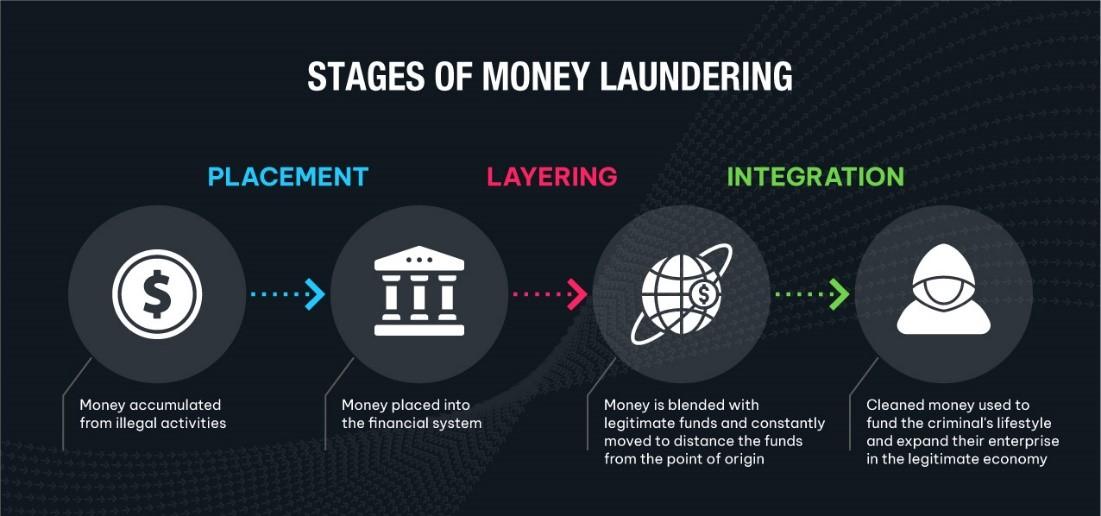
In a significant step towards enhancing regional security and financial integrity, the Council of Europe’s MONEYVAL committee has released progress reports on North Macedonia and Romania, focusing on their ongoing efforts to combat money laundering and terrorist financing. As the global landscape evolves, the importance of robust regulatory frameworks and proactive measures against financial crimes has never been more critical. The latest assessments shed light on the advancements made by both nations in aligning with international standards while also highlighting areas that necessitate further reform. With money laundering and the financing of terrorism posing persistent threats to national and global stability, these reports underscore the urgency for comprehensive strategies that not only address existing vulnerabilities but also bolster the resilience of financial systems against illicit activities. This article delves into the key findings of the MONEYVAL reports, exploring their implications for North Macedonia and Romania’s legal frameworks and their commitment to upholding international financial norms.
MONEYVAL Highlights Major Advances in North Macedonia’s Fight Against Money Laundering
The recent report from MONEYVAL signals significant progress in North Macedonia’s initiatives to combat money laundering and terrorist financing. Authorities have implemented a series of reforms and strategies aimed at enhancing the effectiveness of their financial monitoring systems. This includes the establishment of stronger regulatory frameworks and the enhancement of cooperation between various governmental agencies. Key advancements noted in the report encompass:
- Improved Risk Assessment: Enhanced methodologies for assessing risks related to money laundering and terrorist financing.
- Increased Training for Law Enforcement: Comprehensive training programs aimed at equipping law enforcement agencies with the necessary skills to identify and address financial crimes.
- Strengthened International Cooperation: Enhanced collaboration with international bodies to share intelligence and best practices.
Moreover, the report highlights the establishment of new frameworks for public-private partnerships, which are critical in combating financial crimes more effectively. These initiatives have not only bolstered North Macedonia’s capability to respond to financial threats but have also set a precedent for regional cooperation in the fight against such crimes. The following table summarizes notable achievements in this area:
| Achievement | Description | Impact |
|---|---|---|
| Legislative Reforms | Amendments to existing laws governing financial transactions | Enhanced legal framework for prosecution |
| Technological Upgrades | Implementation of new software for monitoring transactions | Increased efficiency in detecting suspicious activities |
| Public Awareness Campaigns | Educational initiatives aimed at the general public | Greater community involvement in reporting suspicious activities |
Romania Faces Challenges in Combating Terrorist Financing: An Overview of MONEYVAL Findings
Romania is currently grappling with significant hurdles in its efforts to effectively combat terrorist financing, as highlighted by a recent MONEYVAL report. The assessment outlines key deficiencies and urges the Romanian authorities to enhance their legislative framework. Notably, the following areas have been flagged as needing urgent attention:
- Risk Assessment: A comprehensive evaluation of domestic and international risks associated with terrorist financing is essential.
- Legal Framework: Improvements are needed in the enforcement of existing laws to cover all aspects of terrorist financing.
- Prosecution and Conviction Rates: There is a pressing need to increase the number of prosecutions and successful convictions for terrorist financing cases.
Furthermore, the report emphasizes the importance of inter-agency cooperation in addressing financial crimes. Romania must foster collaboration among various institutions, including law enforcement and financial intelligence units, to enhance information sharing. The following strategies are recommended:
- Training Programs: Implement regular training for officials involved in monitoring and prosecuting terrorist financing.
- Data Analytics: Utilize advanced data analytics tools to identify patterns in financial transactions indicative of terrorist financing.
- Community Engagement: Engage local communities in initiatives aimed at raising awareness and preventing radicalization.
| Challenges | Recommended Actions |
|---|---|
| Lack of comprehensive risk assessment | Conduct a national risk assessment |
| Insufficient legal enforcement | Enhance and amend existing laws |
| Low prosecution rates | Increase collaboration between agencies |
Expert Recommendations for Strengthening Financial Compliance in South Eastern Europe
An effective response to the threats of money laundering and terrorist financing in South Eastern Europe requires a multi-faceted approach. Key recommendations for enhancing financial compliance include the adoption of stronger regulatory frameworks and greater inter-agency cooperation. Authorities should focus on the following actions:
- Streamlining legislation: Harmonizing laws to meet international standards and facilitating implementation.
- Building capacity: Training for law enforcement and financial sectors to recognize and combat illicit activities.
- Increasing transparency: Mandating comprehensive disclosure of ownership to deter shadow financial practices.
Moreover, the role of public-private partnerships cannot be overstated. Engaging stakeholders from both sectors in regular dialogues can foster a culture of compliance and vigilance. To this end, a collaborative framework could be established to share intelligence and best practices across borders. A potential strategy might involve:
| Strategy | Description |
|---|---|
| Joint task forces | Combining efforts of financial institutions and law enforcement for more effective investigations. |
| Awareness campaigns | Educating the public about the risks and signs of money laundering. |
| Risk assessments | Regular evaluations to identify vulnerabilities in the financial system. |
Future Outlook
In conclusion, the MONEYVAL progress reports on North Macedonia and Romania highlight significant strides made in the fight against money laundering and terrorist financing while also underscoring the challenges that lie ahead. These assessments reflect the commitment of both nations to align with international standards and enhance their financial integrity. As North Macedonia and Romania continue to implement reforms and bolster their legal frameworks, their progress will not only impact their domestic economies but also contribute to regional security and stability. The ongoing support from the Council of Europe and other international partners will be crucial in ensuring that both countries remain vigilant and proactive in combating these serious offenses. As the world continues to grapple with evolving financial crimes, the efforts of North Macedonia and Romania serve as a reminder of the ongoing global commitment to safeguard the integrity of financial systems.










