
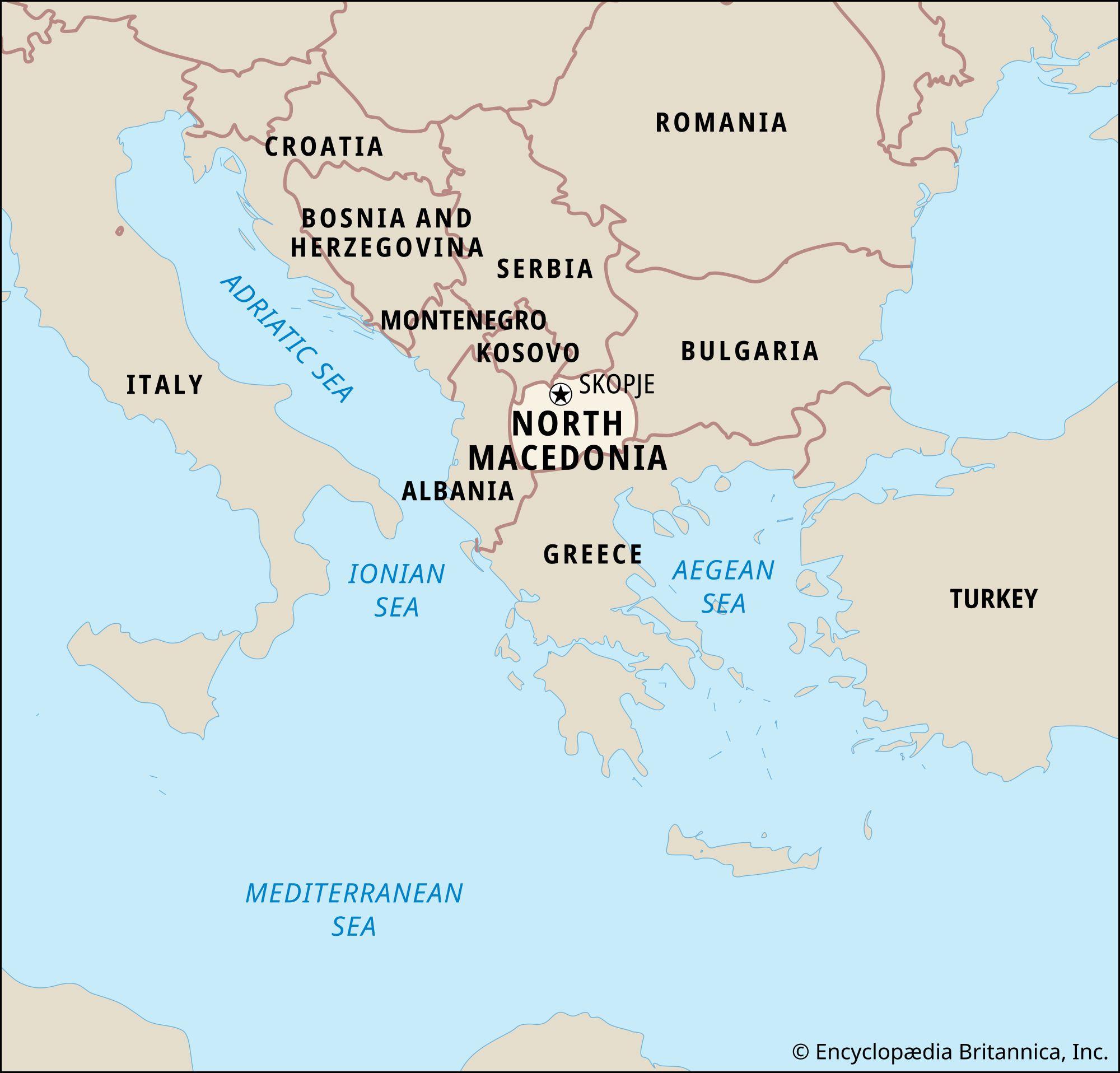
North Macedonia has officially declared a state of crisis as the nation grapples with a series of devastating wildfires that have ravaged vast areas of its landscape. As flames continue to spread, local authorities are scrambling to contain the blazes, which have been fueled by soaring temperatures and dry conditions. The declaration allows the government to mobilize additional resources and coordinate efforts more effectively in response to the environmental disaster. This latest development underscores the growing threat posed by climate change and the urgent need for enhanced disaster preparedness in the region. As firefighters battle the flames and communities brace for the impact, the situation remains critical, with relief efforts underway to support those affected by the wildfires.
North Macedonia’s Wildfires Prompt National Emergency Declaration
In response to the escalating wildfires that have ravaged large sections of the country,authorities in North Macedonia have declared a state of crisis. The declaration was prompted by an alarming increase in fire incidents, which have threatened both lives and properties across multiple regions. Emergency services are currently mobilized, focusing on areas most affected by the blazes. Citizens are urged to stay updated on evacuation orders and fire safety protocols, as conditions remain volatile.
The government has implemented a series of measures to combat the wildfires effectively. Key actions include:
- Deployment of additional firefighting resources: Local and regional units are receiving support from neighboring countries.
- Public awareness campaigns: Citizens are informed about fire prevention and safety guidelines to minimize risk.
- Emergency funding: The government is allocating additional resources to affected communities for recovery efforts.
The situation remains critical, with emergency teams working tirelessly to contain the fires. Affected residents are encouraged to report any sightings of new fires to local authorities, as community vigilance is essential in this crisis.
Impact Assessment of the Crisis: Environmental and Economic Repercussions
The recent declaration of a state of crisis in North Macedonia due to wildfires has raised urgent concerns over the environmental and economic ramifications of this escalating situation. As extensive areas of forest are reduced to ashes, critical ecosystems face irreversible changes, threatening biodiversity. The wildfires not only disrupt wildlife habitats but also contribute to air pollution and increased carbon emissions, which further exacerbate climate change. Local communities, particularly those dependent on agriculture and tourism, are particularly vulnerable to the lasting effects of these disasters.
Economically,the repercussions of this crisis are profound,with estimates suggesting millions of euros in losses. Key sectors impacted include:
- Agriculture: Loss of crops and livestock fearfully threatens food security and local livelihoods.
- Tourism: A decrease in visitors due to damaged natural landscapes may substantially hinder local economies.
- Forestry: Destruction of timber resources will impact not only the economy but also diminish local recreation areas.
In response to the ongoing crisis, the government is mobilizing resources and international aid may be sought, but rebuilding trust and infrastructure in the affected regions will require meaningful time and investment.
Strategies for Effective Response and Recovery: Recommendations for Stakeholders
Considering the escalating crisis due to wildfires,it is imperative that stakeholders implement a series of proactive measures to enhance response and recovery efforts. Firstly, collaboration among local, national, and international agencies is crucial. Establishing clear interaction channels will facilitate the swift sharing of resources and expertise. Key recommendations include:
- Regular training and simulations for emergency services to ensure preparedness.
- Development of a centralized details platform to disseminate real-time updates and safety information to the public.
- Engagement with local communities to create awareness and promote wildfire prevention initiatives.
Additionally, the integration of technological advancements can significantly bolster recovery outcomes. Stakeholders should consider deploying drones for aerial assessments of wildfire impacts, which can improve resource allocation. The following strategies should be prioritized:
| Strategy | Description |
|---|---|
| Data Analytics | Utilize predictive models to assess the potential spread of wildfires and optimize response plans. |
| Community Partnerships | Foster alliances with local organizations for efficient recovery support. |
| Financial Resources | Secure funding for rehabilitation and awareness campaigns to prevent future crises. |
To Conclude
North Macedonia’s declaration of a state of crisis in response to the rampant wildfires underscores the severity of the situation facing the nation. As firefighting efforts continue and authorities mobilize resources, the impact of these blazes on both the environment and local communities is becoming increasingly evident. With the summer months still ahead, the nation must remain vigilant in addressing the immediate challenges posed by the wildfires and implementing long-term strategies to mitigate future risks. The resilience of the affected communities will be tested, and national solidarity will be critical in navigating through this environmental crisis. As developments unfold, further updates will be crucial in understanding the full ramifications of this state of crisis.










