
EU Urges North Macedonia to Make ‘Era-Defining’ Decisions for Membership Aspirations
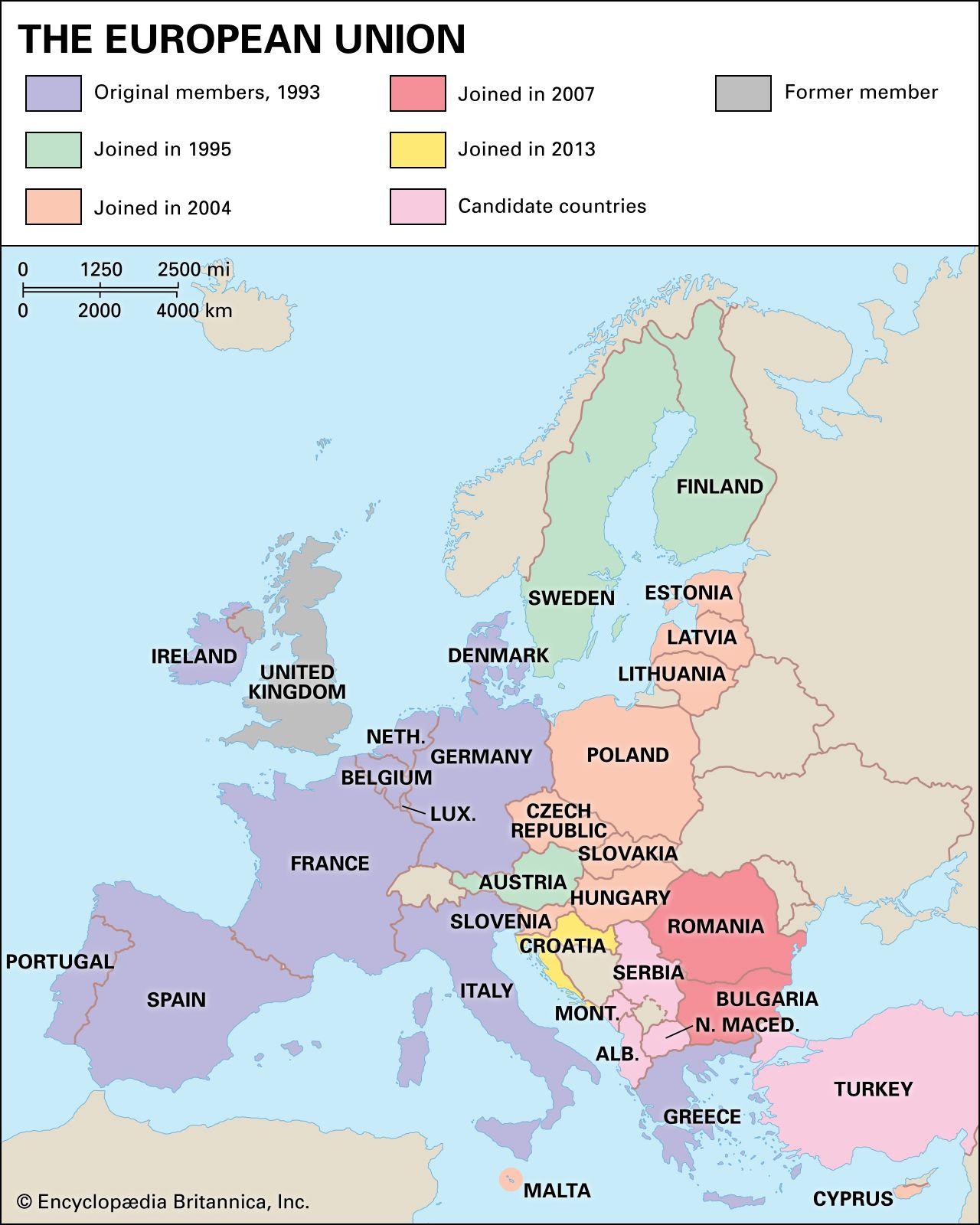
In a pivotal moment for both the European Union and North Macedonia, officials from Brussels have intensified their calls for the Balkan nation to take significant steps towards EU membership. As the EU grapples with complex geopolitical challenges and shifts within its own borders, the bloc is now framing North Macedonia’s accession process as crucial not only for the country’s future but for regional stability and integration as well. With renewed pressure to implement necessary reforms and engage in substantive dialog with neighboring countries, North Macedonia finds itself at a crossroads. The decisions taken in the coming months are being described as ‘era-defining’, with far-reaching implications for its aspirations to join the EU and for the broader dynamics of the Western Balkans.
EU Urges North Macedonia to Embrace Strategic Reforms for EU Membership Progress
The European Union has reiterated its commitment to supporting North Macedonia on its path to membership, emphasizing the urgent need for complete reforms. EU officials highlighted that the next few months are critical for the nation’s advancement, with a focus on areas that require immediate attention. Key reforms include:
- Judicial Independence: Ensuring that the judiciary operates free from political influence.
- Corruption Mitigation: Strengthening anti-corruption measures to build public trust.
- Media Freedom: Protecting the rights of journalists and fostering a free press.
- Economic Progress: Stimulating growth through strategic investments and job creation.
As North Macedonia stands at a pivotal crossroads, EU leaders are urging the government to make what they describe as “era-defining” choices that could reshape the nation’s future. These reforms not only align North Macedonia with EU standards but also enhance stability in the Balkan region. In a recent meeting, the EU stressed the importance of a unified approach among political parties to foster a conducive environment for change. The urgent timeline set forth by EU representatives underlines the necessity of collaborative efforts in achieving these goals, promising stronger ties and potential economic benefits with enhanced European integration.
Key Areas for North Macedonia’s Transformation: Rule of Law, Anti-Corruption, and Governance
North Macedonia stands at a critical juncture as it navigates its path towards European Union membership. The EU has emphasized the necessity for substantial reforms aimed at strengthening the rule of law, a essential principle underpinning democratic governance and the protection of human rights.Among the key components of these reforms are:
- Judicial Independence: Ensuring the judiciary operates free from political interference.
- Legal Certainty: Reinforcing laws and regulations to foster a predictable environment for citizens and businesses alike.
- Access to Justice: Improving mechanisms to allow all citizens equitable access to legal recourse.
In addition, combatting corruption remains a top priority for securing ethical governance and public trust. The ongoing efforts to establish robust anti-corruption frameworks include:
- Strengthening Institutional Mechanisms: Enhancing the capacity and independence of anti-corruption bodies.
- Promoting Openness and Accountability: Increasing openness in government actions and decision-making processes.
- Engaging Civil Society: Involving non-governmental organizations in monitoring and reporting corrupt practices.
To demonstrate commitment to these essential reforms, it is indeed crucial for public officials in North Macedonia to adopt a comprehensive governance strategy focused on integrity and accountability.Through steadfast dedication to these goals,North Macedonia can not only align itself with EU standards but also build a more resilient and trustworthy political and legal landscape.
Navigating Regional Stability: Recommendations for Strengthening Ties with Neighbors and EU Partners
To enhance regional stability and foster deeper connections with its neighbors and European Union partners, North Macedonia must adopt a multi-faceted approach. Key strategies could include emphasizing diplomatic engagements that prioritize dialogue and collaboration on shared interests, particularly in areas such as trade, security, and cultural exchange.Establishing regular high-level meetings with neighboring countries can lay the groundwork for understanding and trust, helping to address historical grievances and promote cooperative initiatives that benefit all parties.
Furthermore, North Macedonia should focus on bolstering its relationships with EU institutions by actively participating in joint programs and partnerships aimed at economic development and social progress. Initiatives may include:
- Harmonizing regulations with EU standards to facilitate trade.
- Joint security initiatives to combat common threats.
- Cultural programs that showcase shared heritage and promote intercultural dialogue.
To support these efforts, a framework of actionable commitments should be established, fostering transparent communication channels and allowing for timely feedback on policy advancements. This proactive stance will not only enhance North Macedonia’s chances of EU membership but also contribute to the wider stability of the Balkan region.
Final Thoughts
North Macedonia stands at a pivotal crossroads in its journey toward European Union membership, as EU officials emphasize the urgency of making what they describe as ‘era-defining’ decisions. With the promise of economic benefits and regional stability on the line, the pressures from Brussels underscore the complexities of the accession process amid a backdrop of historical grievances and domestic challenges.As North Macedonia grapples with these critical choices, the path forward will not only determine its future within the EU but could also reshape the political landscape of the Balkans. The eyes of Europe remain keenly focused on Skopje, as the repercussions of these decisions will resonate well beyond its borders. Moving forward, the commitment to reform and cooperation will be essential not only for North Macedonia’s aspirations but for the broader goals of peace and integration within the region.










