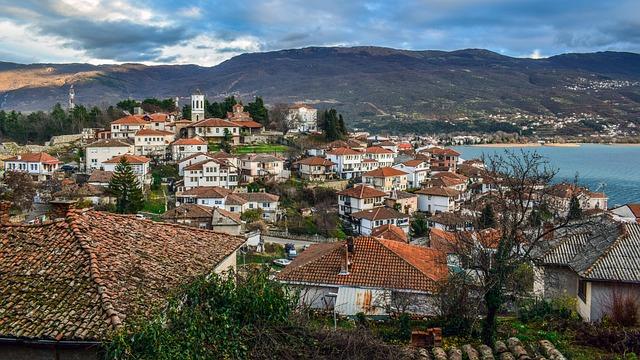
As North Macedonia approaches its highly anticipated elections, the political landscape is heating up with fierce competition among the country’s rival Albanian parties. With a significant portion of the electorate identifying as ethnic Albanians, the outcome of these elections could reshape the balance of power within the multi-ethnic nation. Leaders of the main Albanian parties are engaged in a heated battle for supremacy, each vying to assert their influence and priorities within a political system marked by longstanding ethnic divisions. This contest not only highlights internal party dynamics but also raises questions about the future of the country’s governance and its commitment to inclusivity in a region still grappling with the remnants of nationalism. As the campaigns unfold, the stakes are high, not only for the Albanian community but also for North Macedonia’s broader political stability and aspirations for Euro-Atlantic integration.
North Macedonia’s Electoral Landscape: The Struggle Between Albanian Political Forces
The electoral landscape in North Macedonia has become increasingly defined by the competition between Albanian political parties, who are vying for influence and representation within a multi-ethnic state. The two leading parties, Democratic Union for Integration (DUI) and Albanian Alternative, have positioned themselves as key players in shaping not only Albanian interests but also the broader political dialogue in the country. As the electoral cycle approaches, both parties are crafting their narratives to appeal to the Albanian electorate, emphasizing issues such as economic development, education, and institutional integrity.
In recent months, tensions have escalated over electoral strategies and alliances, with accusations of fragmentation within the Albanian political bloc. An informal coalition of smaller parties has emerged, aiming to capitalize on voter disillusionment with the traditional powerhouses. This has led to a complex electoral calculus, where the success of one party could significantly diminish the others’ chances. Key factors influencing the upcoming elections include:
- Voter Turnout: Historically, turnout among Albanian voters has varied, affecting electoral outcomes.
- Identity Politics: Both parties leverage national identity to rally support.
- External Influences: Regional dynamics and international relations are shaping party strategies.
Analyzing the Implications of Party Rivalries on National Stability and Ethnic Relations
In the midst of escalating electoral tensions, North Macedonia is witnessing a fierce contest between rival Albanian parties, a dynamic that could significantly influence both national stability and ethnic relations. The ongoing battle for supremacy among these parties is not just a political rivalry; it encapsulates broader issues of representation, identity, and power-sharing within a diverse society. With the Albanian minority constituting a notable percentage of the population, the electoral outcomes can determine the trajectory of ethnic cohesion or discord. Stakeholders are increasingly concerned that intensified rivalry may exacerbate existing ethnic divides, leading to polarization that could hinder the country’s socio-political progress.
The implications of this electoral struggle extend to vital areas such as governance and policy-making as well. As each party vies for control, their platforms are increasingly shaped by narrow ethnic interests rather than encompassing national unity, potentially jeopardizing the multi-ethnic framework established by the 2001 Framework Agreement. The following factors highlight the potential repercussions:
- Increased Polarization: Heightened competition could reinforce ethnic voting blocks, diminishing cross-ethnic dialogue.
- Policy Stagnation: Rival parties may block each other’s initiatives, leading to legislative gridlock.
- Social Unrest: A fractious political environment could incite protests or civil discord among different ethnic groups.
To underscore the critical relations between party dynamics and national stability, the following table reflects the current political landscape and the level of representation among different ethnic groups:
| Political Party | Ethnic Representation | Electoral Performance (Last Election) |
|---|---|---|
| Alliance for Albanians | Albanian | 15% |
| Democratic Union for Integration | Albanian | 12% |
| VMRO-DPMNE | Slavic Macedonian | 35% |
| SDSM | Slavic Macedonian | 25% |
Strategic Alliances and Voter Mobilization: Recommendations for Albanian Parties Moving Forward
As Albania’s rival political parties grapple for influence, forming strategic alliances will be crucial for amplifying voter mobilization efforts. Engaging in cross-party collaborations can enhance their collective appeal, especially among younger voters who crave progressive policies and social reforms. Parties should consider the following strategies:
- Cohesive Messaging: Develop a unified campaign message that resonates with major demographic groups.
- Joint Events: Organize joint rallies and town halls to maximize reach and demonstrate solidarity on key issues.
- Shared Resources: Pool financial and logistical resources for campaign outreach.
Moreover, enhancing grassroots engagement by leveraging digital platforms is essential for reaching wider audiences. Parties must harness the power of social media to encourage civic participation and create interactive content that drives voter interest. The following actions would foster effective mobilization:
- Targeted Campaigning: Use data analytics to identify key voting blocs and tailor messages accordingly.
- Community Involvement: Involve local leaders and influencers in the campaign to foster trust and credibility.
- Feedback Mechanisms: Implement channels for voters to voice their concerns and suggestions, thereby creating a participatory atmosphere.
In Summary
In conclusion, the political landscape in North Macedonia remains as dynamic as ever, as rival Albanian parties vie for dominance in the upcoming elections. With issues of representation, integration, and national identity hanging in the balance, the outcome will not only shape the future of the Albanian community but also impact the broader political framework of the country. As both parties mobilize their supporters and present their visions for the future, the stakes are high, and the implications are profound. Voters will soon have the opportunity to make their voices heard, ultimately determining the future course of Albanian politics in North Macedonia. As the election date approaches, all eyes will be on this critical contest, which reflects larger regional trends and the ongoing challenges of governance in the Balkans.