
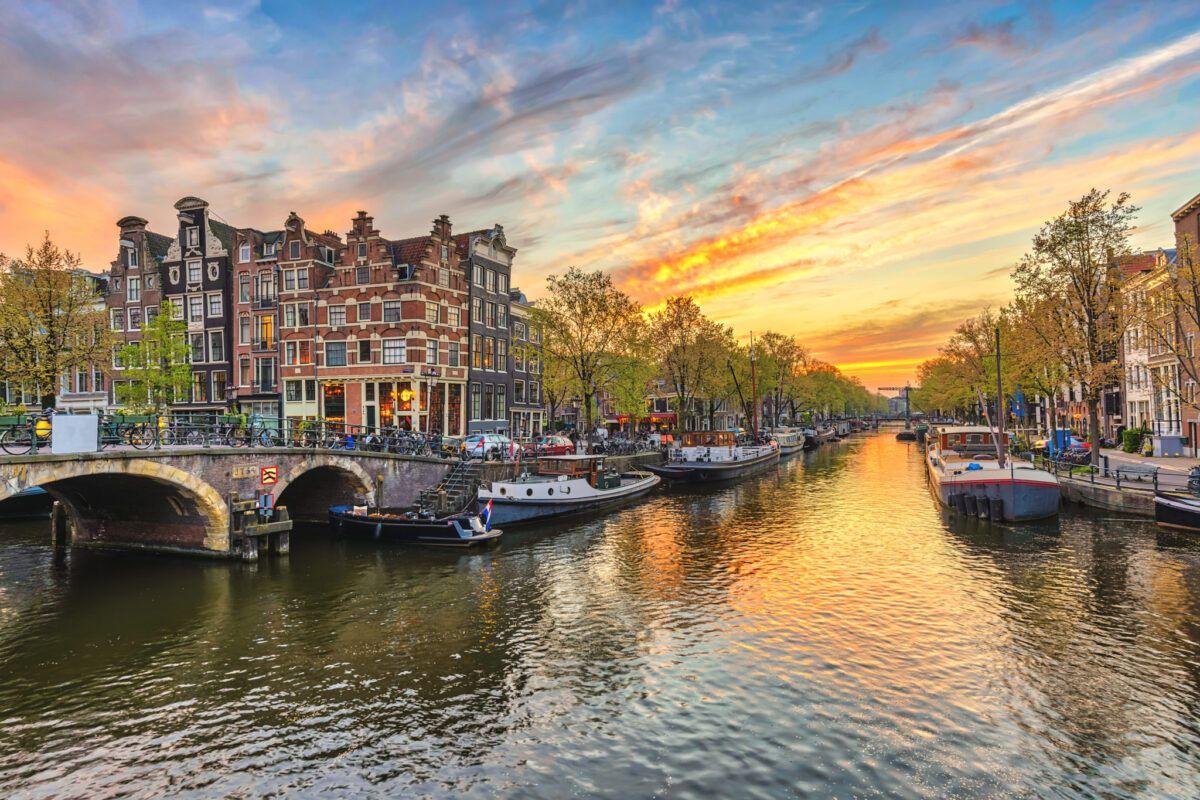

The Netherlands: A Pioneer in European Inland Shipping
Amidst the shifting tides of global trade dynamics and a growing emphasis on environmental sustainability, the Netherlands has emerged as a frontrunner in inland shipping advancements. Renowned for its vast array of rivers, canals, and waterways, this country not only provides breathtaking scenery but also serves as an essential artery for commerce across Europe. By prioritizing sustainable practices and investing in state-of-the-art infrastructure, the Dutch inland shipping industry is establishing standards that could revolutionize logistics throughout the continent. This article delves into how the Netherlands has solidified its position as a leader in European inland shipping while analyzing its impact on trade relations, ecological sustainability, and regional connectivity.
The Netherlands’ Commitment to Sustainable Inland Shipping
The Netherlands is at the forefront of transforming inland shipping into an eco-friendly sector that serves as a model for other nations. Through innovative approaches, Dutch companies are actively working to lower their carbon footprints while enhancing environmentally responsible operations. Key initiatives include transitioning to alternative fuels and modernizing vessels with advanced technologies. Shipowners are increasingly adopting electric and hybrid systems that not only reduce emissions but also lower operational costs.
In collaboration with governmental bodies and environmental organizations, the Dutch maritime sector has introduced various regulations and incentives aimed at promoting green shipping practices. As a result, many operators are adopting strategies such as slow steaming, which optimizes routes for fuel efficiency while utilizing renewable energy sources at ports. Below is an overview of key strategies currently being implemented:
| Strategy | Description | ||
|---|---|---|---|
| Sustainable Fuels | Transitioning from traditional diesel to LNG (liquefied natural gas) or hydrogen. | ||
| Energization Efforts | Addition of electric or hybrid engines to existing fleets. | ||
| Slow Steaming Practices |
Harnessing solar power and wind energy within port facilities.Innovative Technologies Driving Efficiency in Dutch Waterway TransportThe advancement of the Dutch inland shipping industry is characterized by several groundbreaking technologies that improve operational efficiency while fostering sustainability. One notable development involves digital route optimization tools powered by real-time data analytics which enable vessels to adjust their paths based on traffic conditions, weather forecasts, and tidal information. This method not only shortens travel durations but also significantly reduces fuel consumption along with emissions. Additonally, facilitate seamless coordination among shippers , operators ,and cargo owners , boosting transparency while minimizing delays . Furthermore ,the adoptionofis vitalfor improvingefficiency .Manyshipping companiesare now investingin< strong hybridand electric propulsion systems,strong >which significantly reduce dependenceon fossilfuels .This transitionnotonly leads toloweroperational costsbutalso alignswiththe EU’s stringentenvironmental standards .Moreover,the implementationof< strong automated loadingand unloading systems,strong >at ports accelerates processing speed ,allowingvessels tomake more trips .Together these innovations underscoretheNetherlands’ commitmentto leadingthe wayin sustainableinland waterway transportwhile settingan exampleforotherEuropean nations. Addressing Challenges While Embracing Opportunities for Future Growth in Inland Shipping within The NetherlandsThe future landscapeof inlandshipping intheNetherlands standsat acrucialcrossroads facedwithnumerous challengesthatcouldaffectits standingwithinEurope.Theindustry contendswithissues suchas aging infrastructure,increasingregulatory demands,and competitionfromalternative transportmethods.Additionally,the impactsofclimate change pose significant risks; fluctuatingwater levels can disruptshipping routesand logistics.Key stakeholdersmust prioritize investmentsin modernization efforts including:
This landscapeisrichwith opportunitiesthatcould propelthesector towardsa sustainablefuture.Thegrowingfocusongreenlogistics offersan opportunityforinlandshipping toredefineitselfas amoreenvironmentallyfriendlyoptionwithinlogistics chains.Collaborationamonggovernmententities,supplycompanies,andtechnologyproviderscanleadto substantialadvancements.Potentialopportunitiesinclude: |