
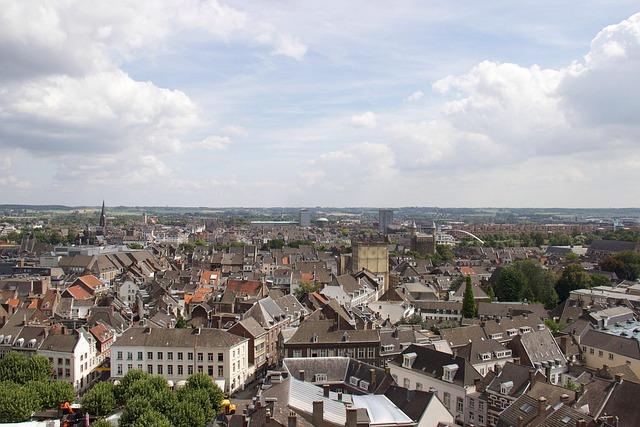
TEFAF Maastricht Generates €86.4 Million Economic Impact on the Netherlands
In a striking testament to the enduring allure of fine art and cultural heritage, the internationally acclaimed TEFAF (The European Fine Art Fair) Maastricht has reported a staggering economic impact of €86.4 million on the Netherlands.As one of the world’s most prestigious art fairs, TEFAF serves as a critical nexus for collectors, galleries, and art lovers alike, drawing thousands to the city of Maastricht each year. This article delves into the multifaceted contributions of TEFAF to the local economy, highlighting not only its influence on the art market but also its broader implications for tourism, hospitality, and community engagement. As the fair approaches its next iteration, the ripple effects of its previous successes continue to resonate throughout the region, illuminating the vital role of the arts in shaping economic landscapes.
TEFAF Maastricht Drives Economic Growth across the Netherlands
The annual TEFAF Maastricht fair not only showcases the finest art and antiques, but it also plays a pivotal role in stimulating economic activity throughout the Netherlands. According to recent reports, the prestigious event generates a staggering €86.4 million in economic impact, a testament to its significance in the global art market. This influx of revenue primarily comes from various sources, including:
- Visitor Spending: Art enthusiasts, collectors, and investors flock to Maastricht, not only to purchase art but also to indulge in local accommodations, dining, and shopping.
- job Creation: The event creates numerous temporary and permanent positions, ranging from event management to hospitality, thereby boosting local employment rates.
- Increased Tourism: The fair attracts international guests, elevating Maastricht’s profile as a cultural hub, which in turn encourages more visitors year-round.
Moreover, the ripple effect of TEFAF Maastricht extends into various industries, influencing everything from logistics and transportation to marketing and public relations. Local businesses, such as galleries, hotels, and restaurants, witness a significant uptick in service demands, which fosters a vibrant economic habitat. Furthermore, the fair enhances the visibility of emerging artists and galleries, possibly leading to long-term partnerships and growth within the art sector.
Cultural Heritage at Stake: The Importance of Supporting Art Fairs
As one of the premier art and antiques fairs in the world, TEFAF Maastricht serves not only as a marketplace but also as a critical custodian of cultural heritage. The fair’s impressive economic footprint of €86.4 million underscores its significance to the Netherlands, drawing art enthusiasts, collectors, and professionals who converge to appreciate a wide array of past and contemporary artworks. This gathering promotes a deeper understanding of cultural narratives and offers unparalleled access to pieces that are often intricate in their provenance, enriching the global tapestry of art and history.
Supporting art fairs like TEFAF is essential for several reasons:
- Preservation of Artistry: These events play a vital role in sustaining the careers of artists and galleries, ensuring the ongoing creation of new works.
- Economic Growth: The financial benefits extend beyond the immediate impact on the economy, fostering local businesses and tourism.
- Cultural Exchange: Art fairs facilitate dialog among different cultures, making diverse artistic expressions accessible to a broader audience.
Strategies for Maximizing the Impact of Art Events in Local Economies
To fully harness the potential of art events like TEFAF Maastricht, local governments and organizers must implement targeted marketing strategies that can attract a diverse audience. Leveraging digital platforms is crucial; utilizing social media channels to showcase featured artists and artworks can create buzz and draw in larger crowds. Engaging local influencers and art enthusiasts in promotional campaigns can also broaden outreach efforts. Additionally, innovating visitor experiences, such as offering guided tours or workshops, can enhance engagement and encourage longer stays, thereby increasing local spending.
Collaboration wiht local businesses plays a vital role in maximizing economic impact. Establishing partnerships with hotels, restaurants, and transport services can lead to special packages or offers for event attendees, contributing to an enriched overall experience. Additionally, hosting ancillary programs such as art talks, auctions, or community art initiatives can stimulate not just interest but also an interconnected arts ecosystem. By creating a cohesive environment that actively involves the local community, art events can assure sustained economic benefits, fostering a vibrant cultural landscape that attracts both national and international attention.
Final Thoughts
the findings of the recent report underscore the significant economic impact of TEFAF Maastricht on the Netherlands, with an astounding contribution of €86.4 million. This prestigious art fair not only attracts collectors, dealers, and art enthusiasts from around the globe but also boosts local businesses and enhances the country’s cultural stature. As the art world continues to evolve, TEFAF Maastricht remains a pivotal event, drawing attention to the value of art and its ability to stimulate both cultural dialogue and economic growth. The event not only showcases extraordinary artworks but also fortifies the Netherlands’ position as a leading hub in the international art market. looking forward, the importance of such cultural events will likely only grow, further embedding art within the fabric of economic vitality and community engagement in the region.










