
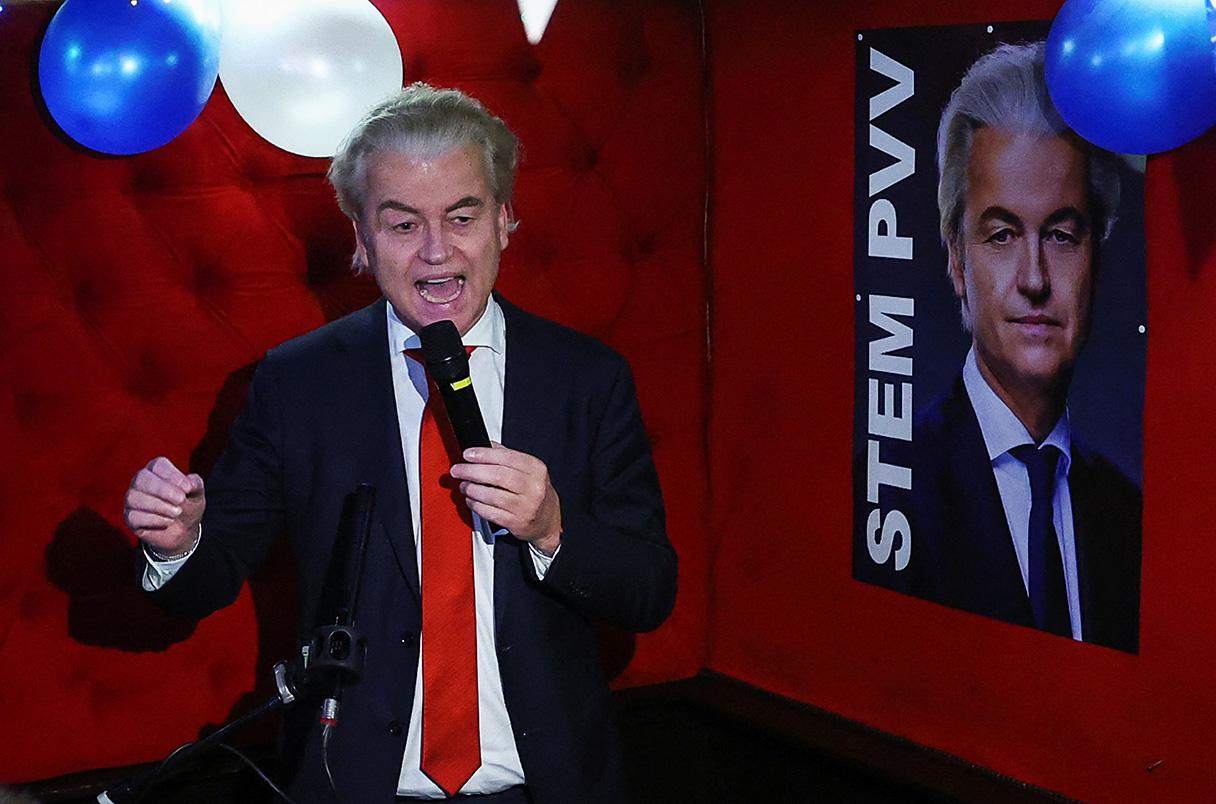
As the Netherlands approaches the conclusion of its election campaign, one figure looms large in the political landscape: Geert Wilders. With the key vote just days away, the leader of the right-wing Party for Freedom (PVV) is intensifying his efforts in a bid to secure a second victory. Known for his polarizing stances on immigration and Islam, Wilders has been a dominant voice in Dutch politics over the last decade, and his campaign trail has been marked by both fervent support and sharp criticism. As voters prepare to cast their ballots, the stakes are high, and the dynamics of this election could reshape the future of Dutch governance and its approach to pressing national and international issues. In this final stretch, the public’s response to Wilders’ promises and rhetoric will be critical in determining whether he can lead his party to a historic second win and influence the broader European political landscape.
Wilders on the Offensive as Dutch Election Approaches Critical Juncture
As the countdown to the Dutch elections intensifies, Geert Wilders is ramping up his campaign efforts to solidify his position as a frontrunner. Known for his polarizing views on immigration and Islam, Wilders has reasserted his agenda by emphasizing key issues that resonate with a growing segment of the electorate. His communications have centered around a commitment to strengthening national identity and enhancing security, which he claims have been compromised by previous administrations. The response from his supporters has been fervent, with rallies attracting significant attendance and the media highlighting the fervor of his base.
In contrast, opposition parties are scrambling to formulate a cohesive strategy to counter Wilders’ rise. Many are critiquing his policies as divisive and threatening to the fabric of Dutch society. As it stands, several parties are uniting in an effort to present an alternative vision that champions integration and cooperation. Among the strategies being deployed are:
- Highlighting Diversity – Accentuating the benefits of a multicultural society.
- Promoting Collaboration – Encouraging dialogue among various political factions.
- Addressing Economic Issues – Focusing on housing, healthcare, and job creation to sway undecided voters.
As the elections near, the stakes couldn’t be higher. Current polling data indicates a tight race, with Wilders’ party seemingly maintaining a lead but under constant scrutiny from rivals. This period will be crucial, as late-deciding voters may tip the balance. The tension is palpable, and the political landscape may shift dramatically in the final days leading up to the elections.
Voter Sentiment Shifts: Key Issues Driving the Final Days of Campaigning
As the countdown to the Dutch elections draws near, Geert Wilders and his party are navigating a changing landscape of voter priorities. Recent polls indicate that public sentiment is shifting dramatically, with traditional concerns taking a backseat to more immediate issues. Voters are increasingly drawn to discussions surrounding economic stability, energy prices, and immigration policies. Citizens express frustration over rising costs of living and seek assurances that their next government will address these matters with urgency.
Moreover, the electorate’s growing focus on social issues signals a potential shift in voter alignment. The surge of interest in climate action and affordable housing cannot be ignored, especially among younger voters who prioritize sustainability and inclusivity. As candidates race to address these pivotal themes, Wilders’ campaign has pivoted to include populist promises aimed at resonating with both traditional supporters and new constituents alike. The blending of established and emerging issues creates a complex battleground, where the ability to adapt and communicate effectively could tip the scales come election day.
Strategies for Outreach: How Parties Can Mobilize Support Before Election Day
The final days leading up to the Dutch elections present an opportunity for parties to implement effective outreach strategies aimed at galvanizing support. One key approach is community engagement, where parties can hold local events to connect with constituents personally. This not only fosters a sense of belonging but also enables candidates to address local issues directly. Organizing door-to-door campaigns can also create a direct line of communication, helping candidates to assess voter sentiments and dispel misinformation. Additionally, leveraging social media platforms to share impactful stories and engage with younger voters is essential in shaping public perception and mobilizing the electorate.
Another critical strategy involves forming strategic partnerships with grassroots organizations and interest groups that resonate with specific voter demographics. By aligning campaign messages with the values of these groups, parties can widen their appeal and maximize outreach efforts. Moreover, tracking voter sentiment through data analysis can tailor messaging to specific audiences, ensuring that campaign efforts are both relevant and timely. Below is a summary of essential outreach tactics and their benefits:
| Outreach Strategy | Benefits |
|---|---|
| Community Engagement | Builds rapport and trust with constituents. |
| Door-to-Door Campaigns | Direct communication with voters; addresses misconceptions. |
| Social Media Outreach | Engages younger voters and spreads campaign messages rapidly. |
| Strategic Partnerships | Enhances credibility and taps into established networks. |
| Data-Driven Targeting | Ensures relevant communication tailored to voter demographics. |
Final Thoughts
As the Dutch election campaign enters its final stretch, all eyes are on Geert Wilders and his push for a second victory. With just days remaining until the polls open, the political landscape is charged with fervent debates and intensifying rhetoric. The stakes are high not only for Wilders and his Party for Freedom but also for the broader spectrum of Dutch politics, as voters grapple with pressing issues ranging from immigration to economic stability. As the campaign enters its critical final hours, the outcome remains uncertain, but one thing is clear: the results of this election will have significant implications for the Netherlands and its future direction. Voters are urged to make their voices heard in what promises to be a pivotal moment in Dutch history.










