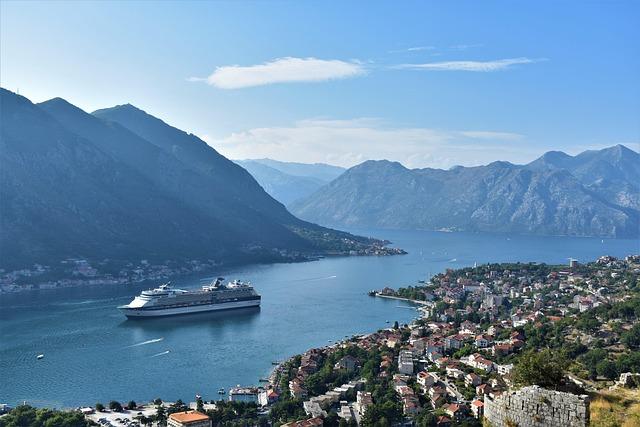
Montenegro: A 28th Member State of the European Union?
In the evolving landscape of European integration, Montenegro stands at a pivotal crossroads. As the smallest and one of the newest nations on the Balkan Peninsula, the country has set its sights on joining the European Union, positioning itself as a potential 28th member state. With aspirations fueled by a desire for economic growth, stability, and a strengthened political alliance, Montenegro’s journey toward EU membership is underscored by a complex interplay of regional geopolitics, internal reforms, and external expectations. As the EU faces its own challenges, including rising nationalism and skepticism towards new entrants, Montenegro’s bid encapsulates the hopes and hurdles of a nation eager to embrace a European identity while navigating the turbulent waters of integration. This article delves into the implications of Montenegro’s prospective membership and the broader context of EU expansion in a time of uncertainty.
Prospects for Montenegro’s EU Accession in a Changing Political Landscape
Montenegro’s European Union accession prospects are increasingly influenced by a complex political landscape, both domestically and regionally. With recent parliamentary shifts and public pushback against rapid reforms, the country’s EU ambitions are facing pivotal challenges. The government’s commitment to aligning with EU standards on issues such as rule of law, anti-corruption measures, and economic reforms will be crucial for maintaining momentum in accession talks. However, prolonged political instability could hinder negotiations, impacting not just Montenegro, but the EU’s broader expansion strategy in the Balkans.
As the EU navigates its own internal dynamics, including differing member states’ views on enlargement, Montenegro must adapt to this evolving environment. The situation calls for a strategic approach that could include:
- Strengthening democratic institutions: Building a resilient political framework to appeal to EU standards.
- Enhancing regional cooperation: Engaging with Balkan neighbors to foster a united front in the accession dialogue.
- Public engagement: Increasing transparency and public support for EU integration through outreach initiatives.
In light of these factors, the table below summarizes the key objectives and challenges facing Montenegro on its EU path:
| Key Objectives | Current Challenges |
|---|---|
| Achieve rule of law compliance | Political uncertainty and corruption |
| Implement economic reforms | Dependence on external financial aid |
| Enhance civil society engagement | Limited public awareness and support |
Evaluating the Economic Reforms Required for Membership Readiness
As Montenegro navigates its path toward European Union membership, key economic reforms will be pivotal in ensuring its readiness for integration. The nation must focus on strengthening its institutional framework and operational efficiency to align with EU standards. Essential reforms include:
- Judicial Independence: Establishing a judiciary free from political influence to bolster investor confidence.
- Anti-Corruption Measures: Implementing stringent regulations to combat corruption and enhance transparency.
- Fiscal Policies: Adopting sustainable fiscal measures to ensure economic stability and growth.
- Market Liberalization: Facilitating a competitive market environment to attract foreign investments.
Alongside these reforms, Montenegro’s current economic landscape reveals challenges that need addressing to meet EU criteria. A comprehensive assessment of its economic performance indicates a need for improved fiscal discipline and better public administration. This can be illustrated in the following table:
| Key Economic Indicators | Current Status | EU Target |
|---|---|---|
| Public Debt (% of GDP) | 75% | < 60% |
| Unemployment Rate | 18% | < 8% |
| Inflation Rate | 3.5% | Below 2% |
| Corruption Perceptions Index | 42/100 | Above 70/100 |
These indicators reflect the urgency of targeted reforms while highlighting Montenegro’s potential for progress. By addressing these economic challenges, Montenegro can set itself on a prosperous trajectory toward EU accession, benefiting both its citizens and the wider regional landscape.
Strengthening Regional Cooperation: A Key to Montenegro’s EU Future
Montenegro stands at a pivotal juncture in its journey toward European Union membership, where regional cooperation emerges as a cornerstone. Strengthening ties with neighboring countries not only fosters stability but also demonstrates a commitment to shared European values. Key initiatives that can enhance this collaboration include:
- Cross-Border Projects: Encouraging economic and infrastructural investments that engage multiple countries.
- Joint Security Efforts: Engaging in coordinated actions to address regional challenges, such as crime and migration.
- Cultural Exchange Programs: Promoting mutual understanding through art, education, and tourism initiatives.
Furthermore, the establishment of formal platforms for dialogue could lead to significant diplomatic breakthroughs. A well-structured approach might involve:
| Regional Initiative | Potential Benefits |
|---|---|
| Western Balkans Economic Forum | Enhanced trade relations and economic growth. |
| Cultural Cooperation Framework | Stronger interpersonal relationships among citizens. |
| Joint Environmental Management Plans | Sustainable development and conservation efforts. |
By actively participating in these cooperative frameworks, Montenegro can build a robust foundation for its EU aspirations, demonstrating a proactive approach to regional harmony and integration.
Closing Remarks
In conclusion, Montenegro’s potential accession to the European Union represents not only a significant step for the Balkan nation but also a focal point for discussions around the future of the EU itself. As Montenegro navigates the complex landscape of reforms and integration, the challenges it faces are emblematic of broader issues confronting the EU, including the balance of national sovereignty and collective governance, regional stability, and economic resilience.
The discussions encapsulated in this report from the Australian Institute of International Affairs highlight the dual significance of Montenegro’s ambitions: on one hand, as a testament to the enduring allure of EU membership for aspiring countries; on the other, as a litmus test for the Union’s ability to adapt and respond to the evolving geopolitical landscape. As we observe these developments, the world will be watching closely to see if Montenegro will indeed join the ranks of the 28th member state and what that would mean for the future trajectory of both the EU and the Balkans. The path forward will undoubtedly be intricate and multifaceted, but one message remains clear: Montenegro’s journey towards EU membership is just beginning, and its outcome will have far-reaching implications for the region and beyond.