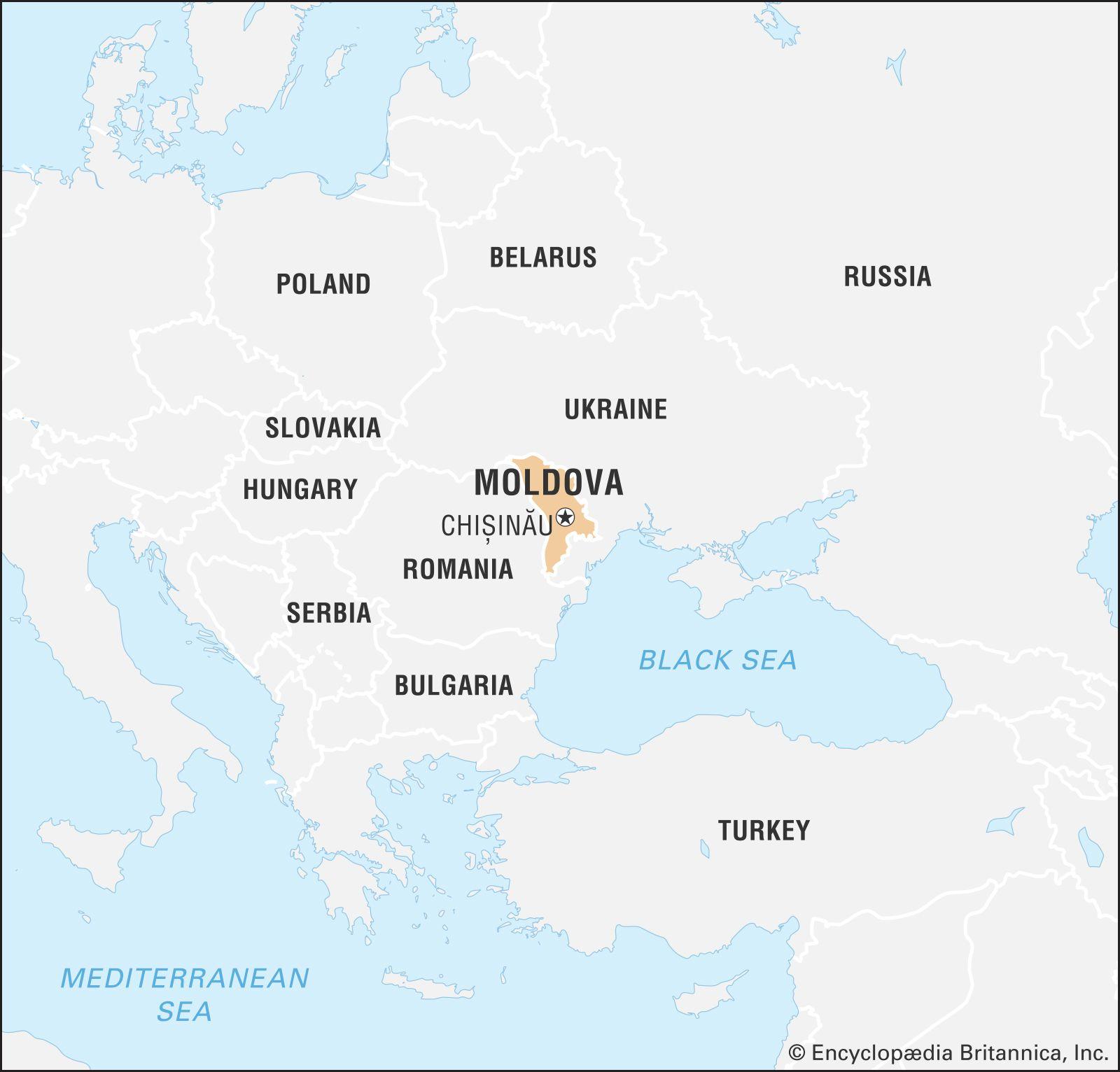
In recent years, Moscow’s influence across the globe has faced significant challenges, with the decline of Russia’s power becoming increasingly evident. From the quiet corridors of Chisinau in Moldova to the far-reaching landscapes of Africa, a shifting geopolitical landscape is reshaping alliances and testing long-standing relationships. The dynamics of Russian engagement-marked by economic ties, military partnerships, and cultural diplomacy-are coming under scrutiny as emerging powers and regional players assert their agency. In light of ongoing crises, such as the conflict in Ukraine and shifting global alliances, this article delves into the implications of Russia’s waning influence on the international stage, highlighting how nations formerly within its sphere are charting new paths in an era characterized by uncertainty and renewed competition.
Moldova’s Resistance: A Case Study in Countering Russian Influence
Moldova’s recent trajectory illustrates an arduous but determined struggle against the pervasive influence of Moscow. Framed within a larger narrative of regional instability and geopolitical maneuvering, Moldova has embarked on a series of reforms aimed at aligning more closely with Western European standards and values. This includes reorienting its foreign policy towards partnerships with the EU and NATO, which has historically relied on civil society mobilization and political reform to counteract Russian narratives and interventions.
Key elements contributing to Moldova’s resilience include:
- Strengthening democratic institutions: Enhanced judicial independence and electoral reforms aimed at curbing corrupt practices.
- Civil society engagement: A vibrant civil society working tirelessly to hold officials accountable and educate the populace on democratic principles.
- Energy diversification: Efforts to reduce dependency on Russian gas by seeking alternative energy sources and investments.
| Strategy | Impact |
|---|---|
| EU Integration | Enhances economic stability and security. |
| Campaign against disinformation | Increases public trust in independent media sources. |
| Community engagement | Empowers local populations to resist external pressure. |
Shifts in African Alliances: How Local Dynamics Challenge Moscow’s Reach
The landscape of alliances throughout Africa is undergoing substantial transformation, as nations increasingly seek to cultivate relationships that prioritize local interests over external influence. The traditional partnerships with Moscow, often characterized by military cooperation and economic dependency, are being re-evaluated amidst shifting geopolitical realities. Regional powers are now more inclined to engage with Western nations and emerging economies in Asia, striving for diversified investment and sustainable partnerships that would foster self-reliance and socio-economic stability.
Several factors are fueling this shift, including heightened awareness of the consequences of relying on a singular great power, as well as the emergence of a new generation of leaders who prioritize modern diplomacy. Key dynamics driving change include:
- Economic Diversification: African nations are pursuing diverse trade relationships across the globe.
- Security Concerns: Local conflicts encourage collaborations with countries that offer effective support without the strings attached.
- Technological Advancement: Partnerships with more tech-savvy nations are prioritized to foster innovation.
Strategic Recommendations for the West: Strengthening Partnerships to Counter Russia’s Decline
In light of Russia’s diminishing influence across various global regions, it is crucial for Western nations to enhance and diversify their partnerships. This effort should focus on strengthening ties with emerging powers that could serve as counterweights to Moscow’s waning authority. By investing in diplomatic and economic collaborations, the West can help build resilience against Russian encroachments. Key initiatives may include:
- Support for Democratic Movements: Encouraging democratic reform and civil society engagement in Eastern Europe and Central Asia.
- Economic Aid Packages: Providing strategic financial support to nations vulnerable to Russian dominance, particularly in sectors like energy, telecommunications, and agriculture.
- Security Alliances: Enhancing military and security partnerships with NATO allies in the region to bolster defense capabilities against potential aggression.
- Cultural Exchange Programs: Promoting people-to-people exchanges to foster understanding and collaboration between societies across continents.
Western nations must also consider leveraging multi-lateral organizations to galvanize a coordinated response to Russian tactics. A collaborative approach can help re-establish norms and values that Russia seeks to undermine. Potential strategies include:
| Strategy | Description |
|---|---|
| Transatlantic Cooperation | A united front between Europe and North America to address geopolitical threats and economic disparities. |
| Engagement with Non-Aligned Nations | Building alliances with countries that prioritize sovereignty and independence from major powers. |
| Technology Sharing Initiatives | Collaborating on cybersecurity measures to safeguard against Russian disinformation campaigns. |
Concluding Remarks
As Russia’s influence continues to diminish across various regions, from Moldova to the heart of Africa, the geopolitical landscape is undergoing a significant transformation. The shifting dynamics highlight not only the changing perceptions of Russian authority but also the rising aspirations of nations seeking to forge their own paths independent of Moscow’s grasp. As countries reassess their alliances and look towards new partnerships, the implications are profound-not just for Russia, but for the broader international order. The decline of Russian power may pave the way for a more multipolar world, where emerging powers can assert their interests more freely, creating both challenges and opportunities on the global stage. As this scenario unfolds, keeping a close watch on these developments will be crucial for understanding the future of international relations and stability.