
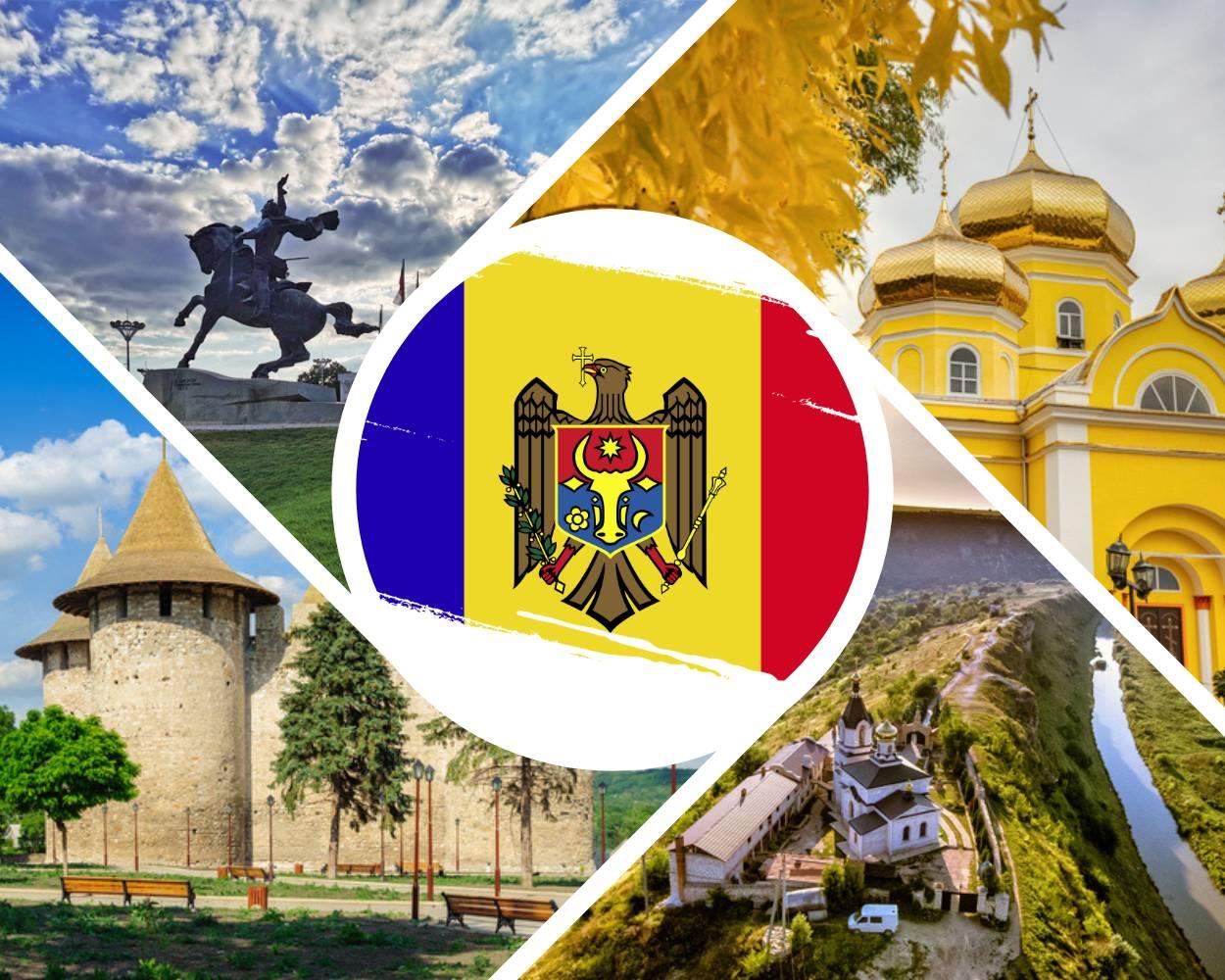
Moldova Aims for accelerated EU Accession Talks by 2027
In a bold move aimed at reshaping its geopolitical landscape, Moldova has set an ambitious target too conclude its European Union accession talks by the end of 2027. This proclamation comes amid a backdrop of heightened regional tensions and a growing desire for closer ties with the west, particularly in the wake of Russia’s ongoing aggression in Eastern Europe. As the nation grapples with economic challenges and political reforms, its leaders are emphasizing the importance of EU integration as a pathway to stability and prosperity. With this clear timeline in place, Moldova is poised to navigate the complex landscape of EU membership negotiations, signaling its commitment to deeper European integration and a decisive shift away from past allegiances.
Moldova’s Strategic Roadmap Toward EU Membership and Its Implications for Regional Stability
Moldova’s commitment to advancing its European Union membership is underscored by its ambitious plan to complete accession talks by the end of 2027. This strategic roadmap not only emphasizes governance reforms and economic modernization but also seeks to enhance stability within the region.The country is set to undertake a series of reforms focused on judicial independence, anti-corruption measures, and economic integration with EU standards, which are pivotal for attracting foreign investment and fostering sustainable development.
In the context of regional dynamics, Moldova’s EU aspirations are expected to bolster security cooperation among neighboring states, particularly in light of ongoing geopolitical tensions. The roadmap includes strengthening collaborations with Ukraine and Romania, aiming for a more unified approach towards addressing common threats. This alignment could lead to:
- Enhanced security protocols against external aggression.
- Increased trade partnerships that stimulate economic growth.
- Joint initiatives focusing on energy independence and infrastructure development.
Collectively, these efforts may contribute to a more resilient Eastern Europe, where Moldova’s prosperous EU integration could serve as a model for other post-Soviet states aiming for democratic consolidation and economic prosperity.
Key Reforms on Moldova’s Path to EU Accession: Priorities and Challenges
Moldova has outlined a bold vision for its future within the European Union,accentuating key reforms critical to advancing its accession process. The government emphasizes judicial independence, anti-corruption measures, and extensive economic reforms as top priorities. This path not only aims at aligning Moldova’s policies with EU standards but also addresses domestic challenges, such as improving public management and ensuring the rule of law.Specific focus areas include:
- Strengthening the rule of law: Enhancing the judiciary and increasing the effectiveness of law enforcement.
- combatting corruption: Implementing robust frameworks to prevent corruption at all levels of government.
- Enhancing economic competitiveness: Fostering small and medium enterprises (SMEs) and attracting foreign investment.
While these reforms are essential,Moldova faces significant challenges that could impede its progress. The need for sustained political commitment and public support is paramount, as well as addressing the influence of external actors, particularly amid geopolitical tensions. Additionally, the ongoing reforms must be coupled with effective communication strategies to maintain citizen engagement and trust. An analysis of current challenges is summarized in the table below:
| Challenges | Implications |
|---|---|
| Political instability | Hinders reform implementation and investor confidence. |
| Corruption culture | Undermines public trust in governmental institutions. |
| Limited resources | Impacts capacity to sustain reforms effectively. |
International support: Essential Partnerships for Moldova’s EU integration Journey
As Moldova progresses in its bid for EU membership, international partnerships play a pivotal role in facilitating this journey. The support from key global allies has been instrumental, not only in bolstering the country’s reforms but also in enhancing its economic stability. Key countries and organizations contributing to Moldova’s EU integration include:
- The European Union: Providing financial aid and technical assistance to implement necessary reforms.
- The United States: Offering diplomatic support and economic investments aimed at governance and civil society development.
- Romania: Strengthening bilateral ties through energy projects and cultural exchanges that promote European values.
- The International Monetary Fund (IMF): Supporting fiscal stability through loans contingent on economic reforms.
Moreover, Moldova has engaged with various non-governmental organizations that focus on enhancing democratic governance and the rule of law. These partnerships not only provide essential resources but also encourage a collaborative approach to problem-solving. To track the contributions of these partners effectively, the following table illustrates their primary areas of engagement:
| Partner | Area of Engagement |
|---|---|
| European Union | financial Aid & Technical Assistance |
| United States | Investments & Diplomatic Support |
| Romania | energy Projects & Cultural Exchanges |
| IMF | Fiscal Stability Loans |
The Conclusion
As Moldova sets its sights on concluding EU accession talks by the end of 2027, the aspirations of a nation eager to integrate more closely with Europe are unmistakable. The momentum gathered since its application in 2022, fueled by reforms and a commitment to democratic values, positions Moldova as a burgeoning player on the European stage. However, the journey ahead will require navigating complex political landscapes, strengthening institutional frameworks, and addressing ongoing challenges. As the country strives to solidify its place within the European Union, the international community will be watching closely, keen to gauge the implications of Moldova’s accession on regional stability and cooperation. The coming years will be crucial in determining not only Moldova’s future but also the broader geopolitical dynamics of Eastern europe.










