
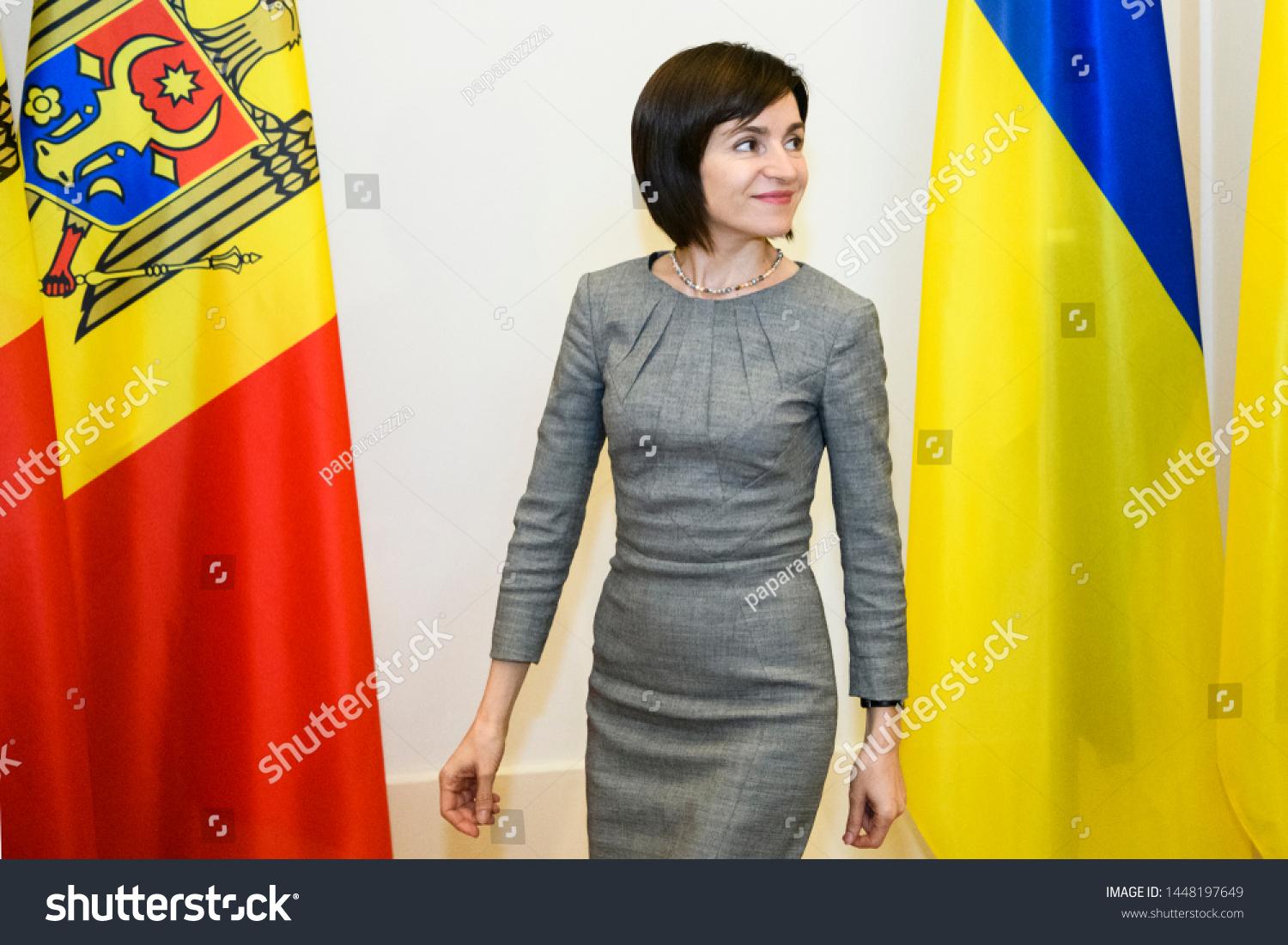
In a decisive electoral victory, Maia Sandu, Moldova’s pro-Western president, has reinforced her position of power following a successful campaign by the Party of Action and Solidarity (PAS), which she co-founded. The recent election results not only reflect the electorate’s support for Sandu’s commitment to democratic reforms and closer ties with the European Union but also signal a potential turning point for the small Eastern European nation amidst ongoing geopolitical tensions. With this mandate, Sandu aims to advance her agenda, tackling corruption and embarking on economic revitalization, as Moldova navigates its path between Russian influence and aspirations for Western integration. This article delves into the implications of PAS’s victory and the challenges that lie ahead for Sandu and her administration.
Maia Sandu Solidifies Leadership as Moldova’s Political Landscape Shifts
Moldova’s political landscape has undergone a significant transformation as Maia Sandu’s party emerged victorious in the recent elections, strengthening her position as the country’s pro-Western leader. Following the election, which saw a marked shift towards pro-European policies, Sandu’s government has laid out an ambitious agenda aimed at enhancing democratic governance and reinforcing Moldova’s alignment with Western institutions. Central to her strategy is the necessity to combat corruption and boost economic development, while simultaneously addressing the pressing issues facing the nation, including energy security and public health challenges.
The election results have energized Sandu’s supporters and signaled a growing dissatisfaction with the previous administration’s ties to Russia. Analysts predict that under Sandu’s leadership, Moldova will continue to pursue deeper integration with the European Union, focusing on key areas such as:
- Judicial Reforms: Strengthening the rule of law and judicial independence.
- Economic Growth: Attracting foreign investment and fostering innovation.
- Social Policies: Expanding access to healthcare and education.
The implications of these developments are profound, as they not only reshape Moldova’s internal dynamics but also influence the broader geopolitical tensions within Eastern Europe. With the support of her party, Sandu is poised to lead a government that seeks to fortify Moldova’s sovereignty amidst increasing Russian influence in the region, while simultaneously fostering closer ties with Western allies.
Victory of the Action and Solidarity Party Signals Commitment to European Integration
The recent electoral success of the Action and Solidarity Party (PAS) in Moldova underscores a significant shift toward heightened European integration. Under the leadership of Maia Sandu, the party has reaffirmed its commitment to aligning Moldova with Western institutions. This victory signals the continuation of policies that favor democratic governance, economic reform, and strengthened ties with the European Union. The electorate’s support for PAS reflects a clear demand for transparency, anti-corruption measures, and investment in key sectors like education and infrastructure, essential for furthering Moldova’s European aspirations.
The robust endorsement of Sandu’s party not only consolidates her authority but also sets a precedent for future governance aimed at integrating Moldova into Europe. As the new parliament convenes, attention will likely focus on the following priorities:
- Accelerating EU accession talks
- Enhancing trade relations with EU member states
- Promoting the rule of law and judicial independence
- Implementing reforms to meet EU standards
This shift is mirrored in public sentiment, with recent polls indicating a strong inclination among citizens for closer connections to the EU, in contrast to the waning influence of pro-Russian sentiments. The upcoming legislative agenda promises to tackle pressing domestic issues while simultaneously paving the way for Moldova’s integration into the broader European community.
Implications for Regional Stability and Suggestions for Future Governance Challenges
The recent electoral victory of Maia Sandu’s party not only solidifies her position but also raises significant concerns regarding regional stability. As Moldova continues to pivot towards the West, neighboring countries may perceive this shift as a threat to their own influence and territorial integrity. The potential for increased tension along Moldova’s borders, particularly with pro-Russian separatist regions, poses risks for broader security dynamics in Eastern Europe. Observers are particularly wary of Russia’s response, which may involve increased military presence or support for separatist movements in an effort to counter Western alignment. This development underscores the fragile interplay between governance, national identity, and foreign intervention in the region.
To address the impending governance challenges, strategic suggestions include:
- Strengthening Democratic Institutions: Focus on robust electoral frameworks to ensure transparency and fair competition.
- Building Regional Coalitions: Foster alliances with neighboring countries that support democratic governance to mitigate the risk of external threats.
- Enhancing Economic Resilience: Diversify economic partnerships to reduce dependency on any single nation, thereby boosting national security.
- Promoting Civil Society Engagement: Encourage grassroots movements that can help build a stronger civic culture and hold power accountable.
| Challenge | Suggested Action |
|---|---|
| Political Polarization | Encourage dialogue between parties to foster unity. |
| Foreign Influence | Implement measures to safeguard national interests. |
| Economic Instability | Diversify trade relations beyond traditional partners. |
In Conclusion
In conclusion, Maia Sandu’s recent electoral victory marks a significant consolidation of power for Moldova’s pro-Western leadership. Her party’s success underscores the electorate’s preference for a future aligned with European values and democratic governance. As Sandu prepares to navigate the challenges ahead-ranging from economic reform to regional security-her administration stands poised to strengthen Moldova’s ties with the West. The outcome of this election not only reaffirms Sandu’s mandate but also signals a pivotal moment for Moldova as it seeks to define its identity on the global stage. The implications of this victory will be closely watched both domestically and internationally, as citizens and stakeholders alike anticipate the unfolding of Sandu’s vision for a prosperous and integrated Moldova.










