
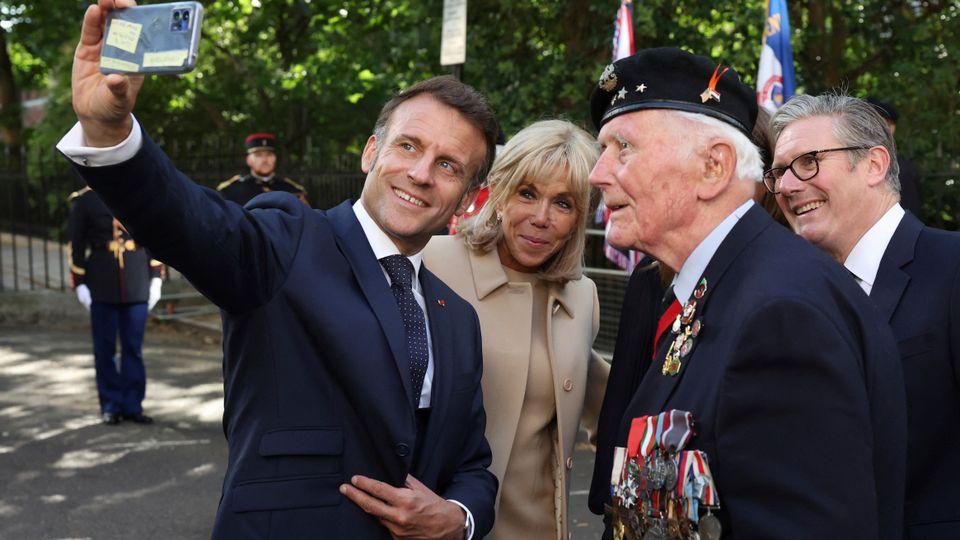
In a significant address to the UK Parliament, French President Emmanuel Macron underscored the urgent need for Europe to reduce its dependency on both the United States and China, highlighting the necessity for a more self-reliant and unified European strategy. This pivotal moment in Franco-British relations arrives amid shifting global dynamics and rising geopolitical tensions, prompting Macron to advocate for a collective European approach to security, trade, and technological advancement. As the continent grapples with the ramifications of its external alliances and internal challenges, Macron’s remarks echo a growing sentiment among European leaders for increased sovereignty and strategic autonomy. This article delves into the key points of Macron’s speech, the context surrounding his call for change, and the potential implications for Europe’s future on the global stage.
Macron Advocates for European Strategic Autonomy in Global Politics
During a recent address to the UK parliament, Emmanuel Macron emphasized the necessity for Europe to redefine its role on the global stage by fostering a state of strategic autonomy. He argued that reliance on external powers like the United States and China poses significant risks to Europe’s sovereign decision-making. Macron called for a concerted effort among European nations to enhance collaboration and develop self-reliant capacities in areas such as defense, energy, and technology. This shift, he contends, is not merely aspirational but essential to ensure the continent can navigate the complexities of modern geopolitics with confidence.
Macron’s vision for a self-sufficient Europe encompasses several key initiatives that would pave the way for greater autonomy:
- Defense Cooperation: Strengthening military alliances and capabilities within Europe to reduce dependence on NATO and the US.
- Energy Independence: Investing in renewable energy sources and diversification of supply routes to minimize vulnerability to external shocks.
- Technological Advancement: Promoting investments in cutting-edge technologies to ensure that Europe remains at the forefront of innovation.
This strategic shift is not without its challenges, including the need to unify disparate national interests and to navigate the transitional period in global alliances. Yet, Macron reiterates that the pursuit of autonomy is vital for Europe’s long-term stability and resilience in an increasingly multipolar world.
Implications of Reducing Dependency on External Powers for European Security
The recent statements by French President Emmanuel Macron underscored a pivotal shift in European geopolitical dynamics,as he emphasized the need for Europe to lessen its reliance on external powers like the United States and China. Reducing dependency on these nations has far-reaching implications for European security, particularly in fostering greater autonomy and resilience. By cultivating a more self-sufficient defense posture, European nations can enhance their collective security capabilities, allowing for a more agile response to threats such as cyber-attacks, disinformation campaigns, and regional conflicts. This proactive stance invites a reevaluation of military alliances and resources across the continent, thereby compelling EU member states to invest more heavily in their own defense infrastructures.
Moreover,such a transition could catalyze deeper political and economic integration within Europe. The potential benefits of a unified European security strategy include:
- Improved Coordination: Streamlined decision-making processes will facilitate quicker responses to emerging threats.
- Increased Defense Budgets: A focus on self-reliance may spur member states to allocate more funds towards domestic defense projects.
- Enhanced Technological Innovation: Collaborations amongst European nations can lead to advancements in military technologies, reinforcing strategic capabilities.
| Key Areas of Impact | Potential Outcomes |
|---|---|
| Military Collaboration | Stronger joint operations and strategic exercises |
| Economic Stability | Boosted defense industries and job creation |
| Policy Independence | Reduced influence from external powers |
Pathways to Strengthening European Unity and Economic Resilience
The call for Europe to reduce its dependency on external powers, such as the United States and China, highlights the urgent need for a unified approach to strengthen the continent’s sovereignty and fortify its economic foundations. By fostering collaboration among member states, Europe can tackle pressing challenges including trade imbalances, energy security, and technological advancement. Key strategies to achieve this include:
- Enhancing intra-European trade: Boosting trade between EU nations can increase resilience and create a more balanced economic landscape.
- Investing in innovation: Supporting research and development initiatives will position Europe as a leader in emerging technologies.
- Developing a unified energy policy: Reducing reliance on external energy sources is crucial for achieving security and sustainability.
- Strengthening defense cooperation: A coordinated defense strategy can ensure that Europe remains autonomous in security matters.
Furthermore, a shift towards sustainable practices can not only fortify the economy but also align with global environmental goals. To make this vision a reality, EU leaders must tackle disparities among member states and ensure equitable access to resources. An investment in human capital is essential to this movement; educational initiatives and vocational training programs will empower citizens and equip them with skills relevant to the evolving job market. The following table summarizes potential investment areas to enhance European unity and economic resilience:
| Investment Area | Potential Impact |
|---|---|
| Green Technology | Transition to sustainable energy sources. |
| Digital Infrastructure | Boosting e-commerce and digital services. |
| Education and Training | Creating a skilled workforce for future industries. |
| Cultural Exchange Programs | Fostering understanding and collaboration among nations. |
To Wrap It Up
President Emmanuel Macron’s address to the UK Parliament has underscored a pivotal moment for Europe as it grapples with the challenges of global dependency. His call for greater autonomy from superpowers like the United States and China reflects an urgent need for European nations to innovate and strengthen their own economic and political frameworks. As the geopolitical landscape continues to shift, Macron’s message resonates as a clarion call for unity and resilience among European countries. The implications of this dialog extend beyond national borders, inviting reflection and action from leaders across the continent. The ongoing discourse will undoubtedly shape the future of Europe and its role on the global stage, reinforcing the necessity for collaborative efforts toward a more self-reliant and strategically independent Europe. As events unfold, it will be crucial to monitor how member states respond to this challenge and what initiatives emerge to realize Macron’s vision.










